Methods for Overtaking on Single-Lane Roads Each Way
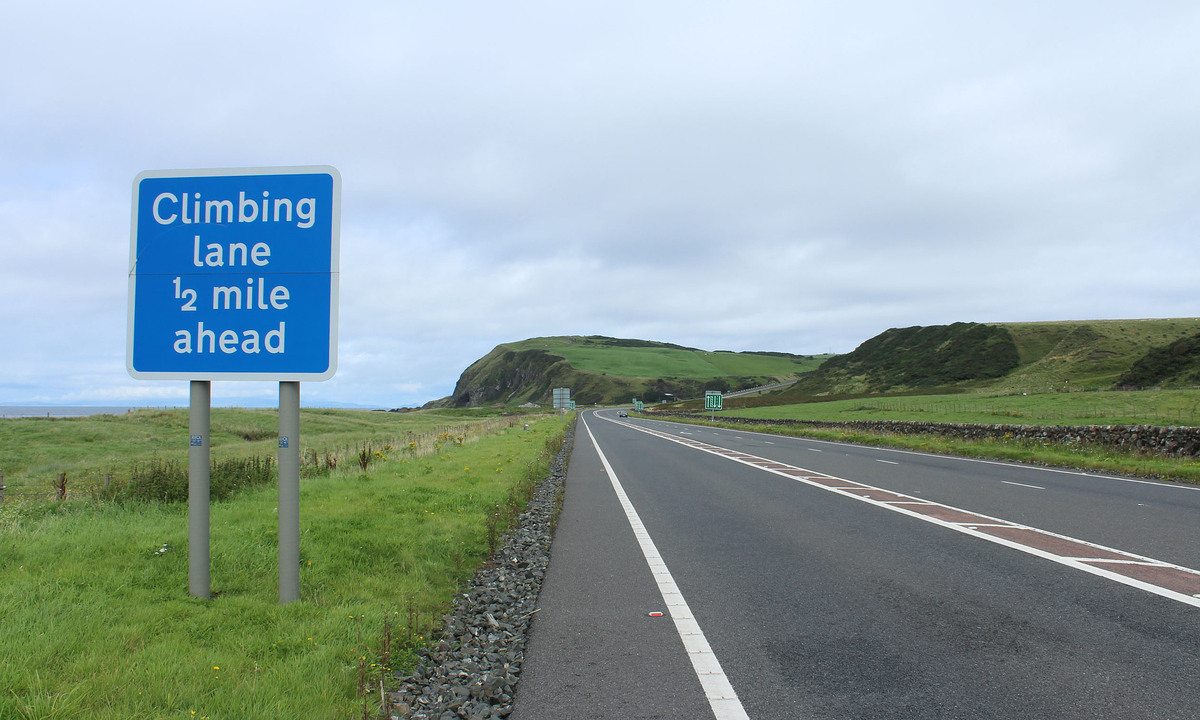
Several countries are implementing innovative solutions to manage overtaking on roads with only one lane in each direction. These methods aim to improve traffic flow and safety by providing designated opportunities for slower vehicles to be passed.
Three primary strategies are being employed: the "2+1" road design, which alternates between a single lane and a passing lane; "climbing lanes" specifically for uphill sections where slower vehicles often struggle; and "passing bays" or "slow vehicle turnouts" that offer designated pull-off areas. These solutions are designed to reduce frustration for drivers, minimize the risk of dangerous overtaking maneuvers, and ultimately enhance the efficiency of road networks in areas with limited capacity.
The adoption of "2+1" roads, climbing lanes, and passing bays addresses the inherent limitations of single-lane infrastructure in accommodating varying vehicle speeds. These engineering solutions represent a pragmatic approach to optimizing traffic flow and safety by creating structured overtaking opportunities. The implementation reflects a global trend towards adaptive road design that balances capacity constraints with the need for efficient movement. Future considerations may involve integrating smart traffic management systems to dynamically adjust lane usage or provide real-time guidance to drivers, further enhancing the effectiveness of these passive infrastructure improvements in the context of evolving transportation demands.
AI-generated to prompt reflection — not editorial opinion, not advice, not a statement of fact. How this works.