Metrô-DF Trains Operate at Reduced Speed After Derailment Incident
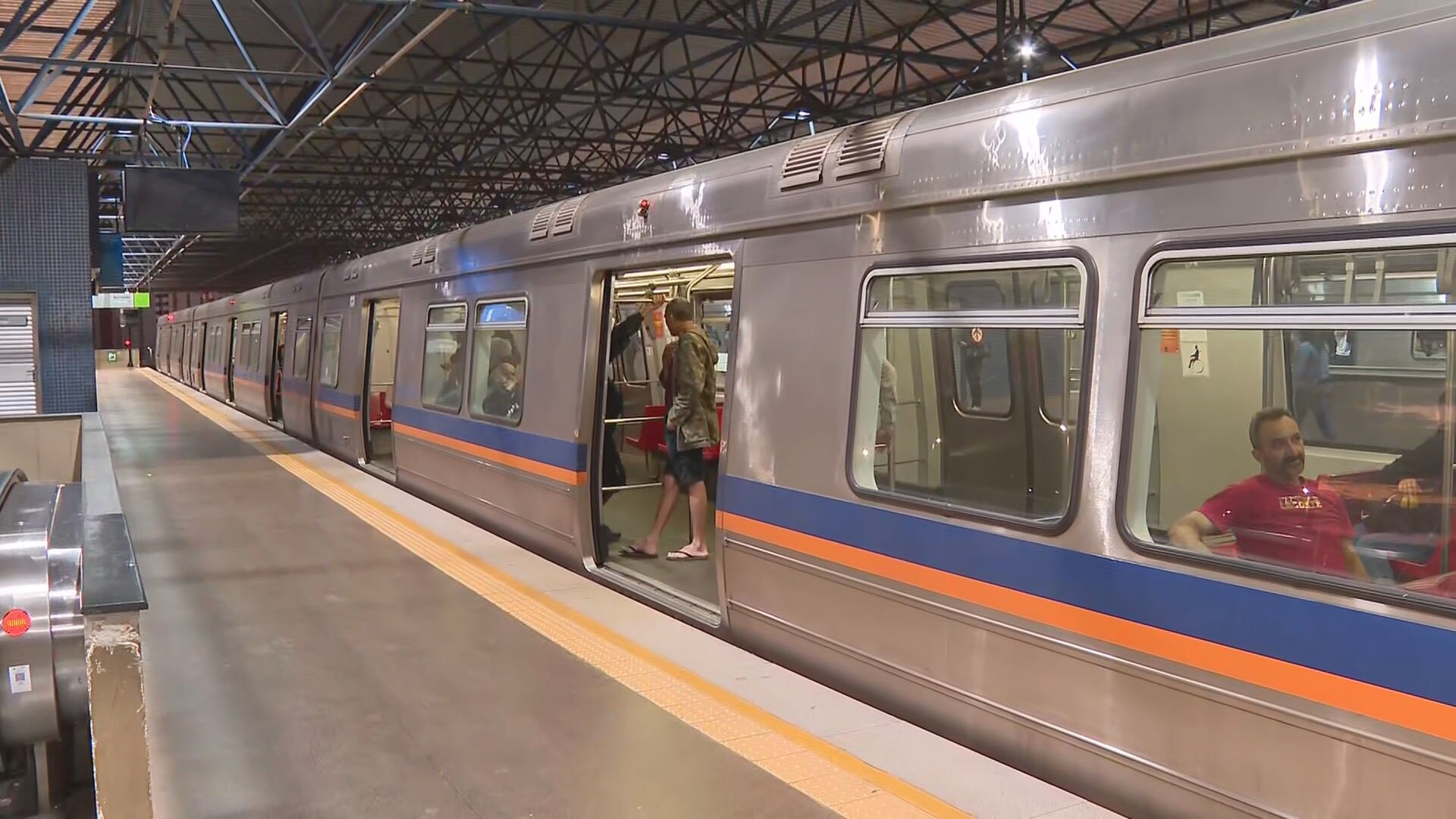
Trains on the Metrô-DF network are operating at reduced speeds on Wednesday, November 29th, following a derailment that partially disrupted services the previous day, Tuesday, November 28th. The incident on Tuesday caused significant chaos, leading many passengers to arrive at stations earlier on Wednesday morning in an effort to avoid potential delays. Although the service is functioning, trains are proceeding at a slower pace in certain sections, and some stops are experiencing minor delays due to issues with door closures before continuing their journeys. The Metrô-DF had not issued a statement regarding the service status on Wednesday by the time of the report's last update. The derailment occurred on Tuesday morning, impacting stations in Plano Piloto and completely halting service between the Central station at Rodoviária do Plano Piloto and the 114 Sul station for over eight hours until service resumed around 2 PM. Metrô-DF stated that one train experienced a "derailed wheelset," meaning a pair of wheels lost contact with the track. The affected train was removed for assessment, and fortunately, no injuries were reported. The president of Metrô-DF, Handerson Cabral, noted that such issues are typically identified visually and that the current maintenance schedule, while applied daily to specific line sections, does not allow for a comprehensive inspection of the entire 42 km of track, especially during nighttime operations.
The Metrô-DF's operational challenges highlight a critical tension between maintaining extensive infrastructure and the limitations of current inspection and maintenance protocols. The derailment, while resulting in no injuries, points to a potential systemic gap in proactive detection of mechanical issues, as acknowledged by the Metrô-DF president. This situation underscores the increasing need for advanced diagnostic technologies in public transit systems, particularly as networks age and passenger volumes fluctuate. Future-proofing such services will likely involve integrating AI-driven predictive maintenance to identify anomalies before they escalate, thereby enhancing safety, reliability, and passenger confidence in the face of evolving urban mobility demands.
AI-generated to prompt reflection — not editorial opinion, not advice, not a statement of fact. How this works.