Metro Construction in DF Causes House Cracks, Fearing Collapse
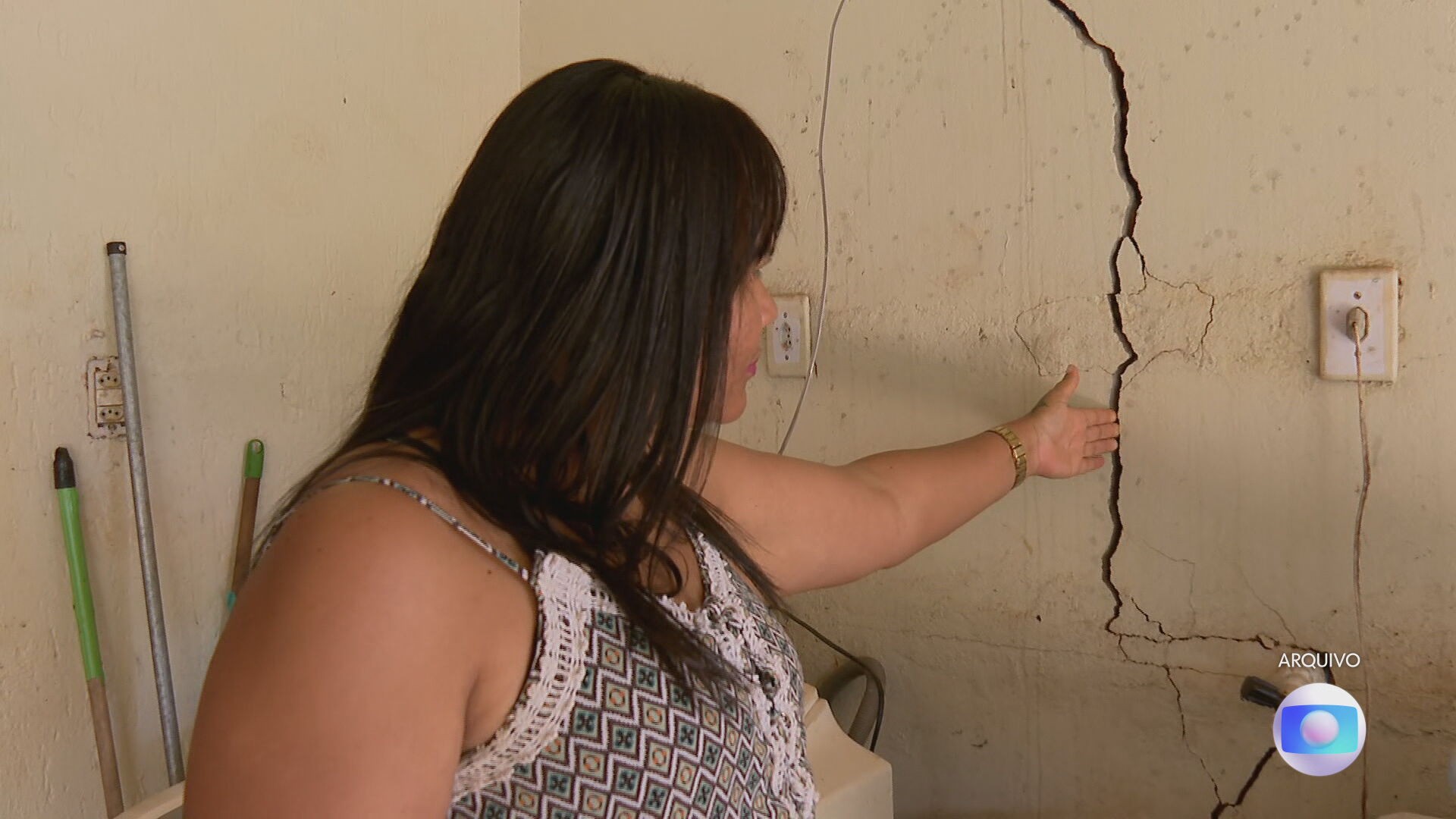
Residents of Samambaia, in the Federal District (DF), Brazil, are living in fear due to structural damage to their homes caused by ongoing metro construction. Cracks have appeared on walls, floors, and ceilings of houses near the project, with one residence being declared unsafe and temporarily evacuated by the Civil Defense due to a risk of collapse. This situation has persisted for approximately one year, leaving homeowners anxious about their safety. Viviane, a homeowner whose house was evacuated, described the constant fear and the progression of cracks from a service area to multiple parts of her home. The damage includes generalized floor sinking and fractures in beams, indicating a potential partial structural collapse. The construction involves the expansion of metro line 1, adding two new stations and 3.7 km of permanent track, with an expected completion date in 2028. The project is licensed by Brasília Ambiental (Ibram). The Federal District government (GDF) stated that it is facilitating communication between the construction company and affected homeowners. The Civil Defense will continue to monitor the situation and provide necessary support within its purview, coordinating efforts to ensure resident safety and address identified risks.
The metro expansion project in Samambaia, DF, has created a tangible conflict between public infrastructure development and private property rights, highlighting the critical need for robust impact assessments and mitigation strategies in urban planning. The reported structural damage and displacement of residents raise questions about the adequacy of the environmental licensing process managed by Brasília Ambiental (Ibram) and the construction company's adherence to safety protocols. The Federal District government's role in mediating the dispute and the Civil Defense's involvement underscore the reactive measures often employed after issues arise, rather than proactive prevention. Moving forward, the long-term viability of such projects will increasingly depend on integrating advanced geotechnical monitoring and transparent compensation mechanisms to preemptively address community concerns and ensure equitable outcomes, especially as urban density and infrastructure demands continue to grow in the coming decade.
AI-generated to prompt reflection — not editorial opinion, not advice, not a statement of fact. How this works.