Meuselwitz Firefighting: Water-Dropping Helicopter Proves Ineffective
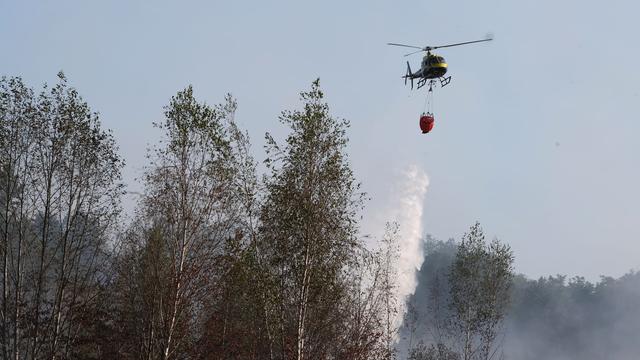
In Meuselwitz, Germany, the deployment of a firefighting helicopter to combat a blaze yielded minimal results. The operation, which aimed to use the aircraft's water-dropping capabilities, was ultimately deemed largely ineffective in suppressing the fire. This outcome raises questions about the strategic deployment and cost-benefit analysis of aerial firefighting resources in certain scenarios.
The specific details of the fire, including its cause, scale, and the duration of the helicopter's involvement, were not provided. However, the report highlights a situation where a significant resource was utilized with disappointing efficacy. Further evaluation may be needed to determine the optimal conditions for employing such aerial assets in firefighting efforts in the region.
The limited effectiveness of the firefighting helicopter in Meuselwitz suggests a potential mismatch between the chosen intervention and the specific fire conditions. This situation prompts an examination of resource allocation and operational strategy in emergency response. Factors such as wind, accessibility, the nature of the fuel, and the stage of the fire can significantly influence the success of aerial water drops. Future deployments might benefit from enhanced pre-mission assessments to ensure that costly aerial assets are employed where they can deliver maximum impact, rather than being used as a default solution. This also underscores the importance of continuous evaluation of emergency response technologies and tactics against evolving environmental and operational challenges.
AI-generated to prompt reflection — not editorial opinion, not advice, not a statement of fact. How this works.