Mexican Cartels Expand Methamphetamine Labs in West Africa
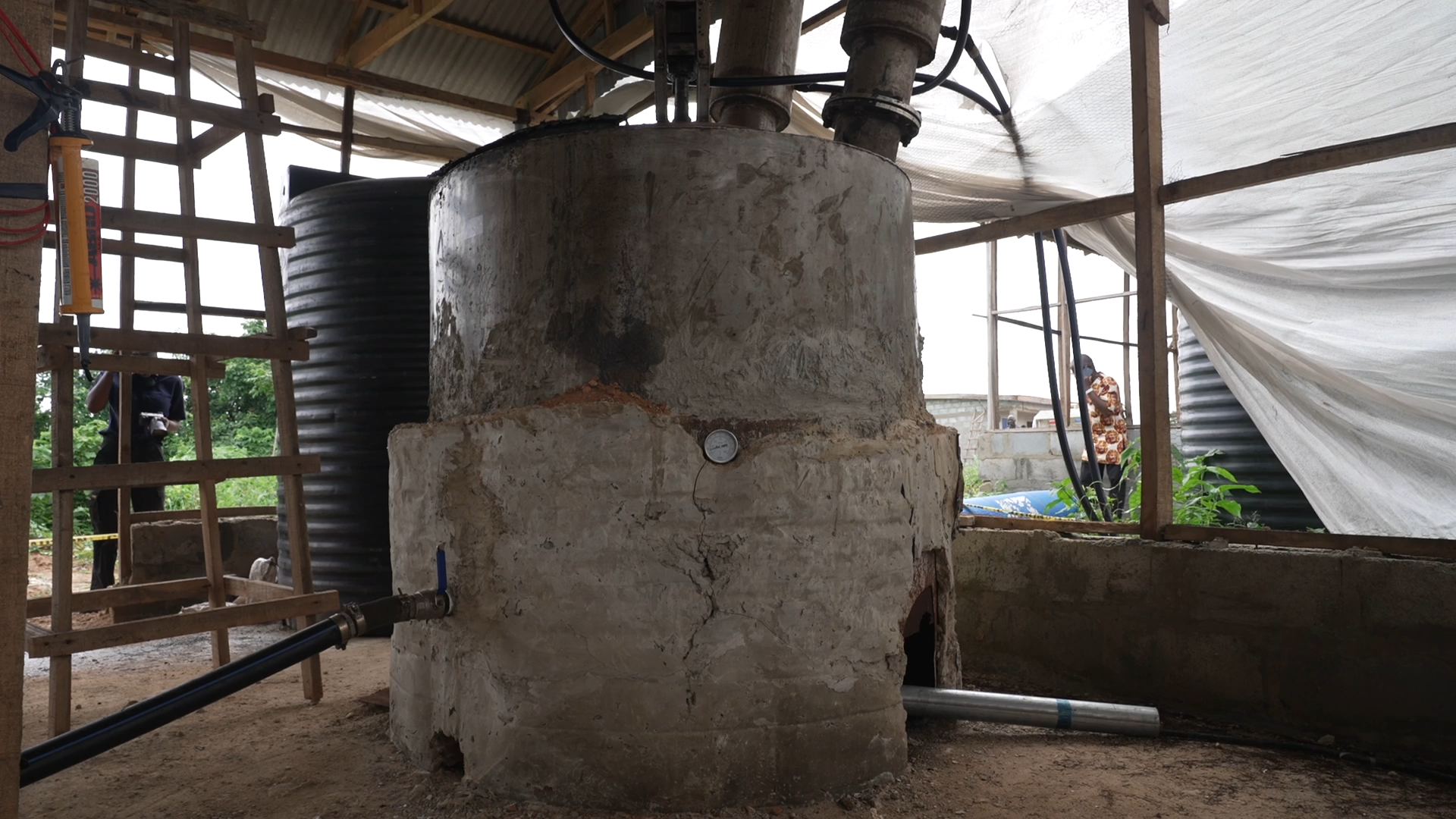
West Africa is increasingly becoming a preferred location for the production and export of illicit drugs. Mexican drug cartels are reportedly expanding their methamphetamine laboratories in the region. This trend indicates a strategic shift by these organizations to leverage new territories for their global operations. The region's growing role in drug trafficking poses significant challenges to local and international law enforcement agencies. The expansion suggests a complex network of operations, likely involving local facilitators and logistical support. Authorities are concerned about the potential destabilizing effects of this increased drug production on West African nations. Efforts to combat this growing problem are ongoing, but the scale of the operation presents a formidable obstacle. The shift highlights the adaptability and global reach of international drug cartels.
The reported expansion of methamphetamine production facilities in West Africa by Mexican cartels signifies a strategic geographical diversification by transnational criminal organizations. This move likely exploits perceived lower enforcement risks and potentially more accessible supply chains for precursor chemicals in the region, compared to established routes. The development warrants scrutiny of regional governance structures and international cooperation mechanisms to address the evolving dynamics of illicit drug manufacturing and trafficking. Examining the economic incentives and systemic vulnerabilities that attract such operations is crucial for developing sustainable countermeasures over the next decade, particularly in light of increasing global connectivity.
AI-generated to prompt reflection — not editorial opinion, not advice, not a statement of fact. How this works.