Mexican Drug Lord 'El Mayo' Sentenced to Life in US Prison
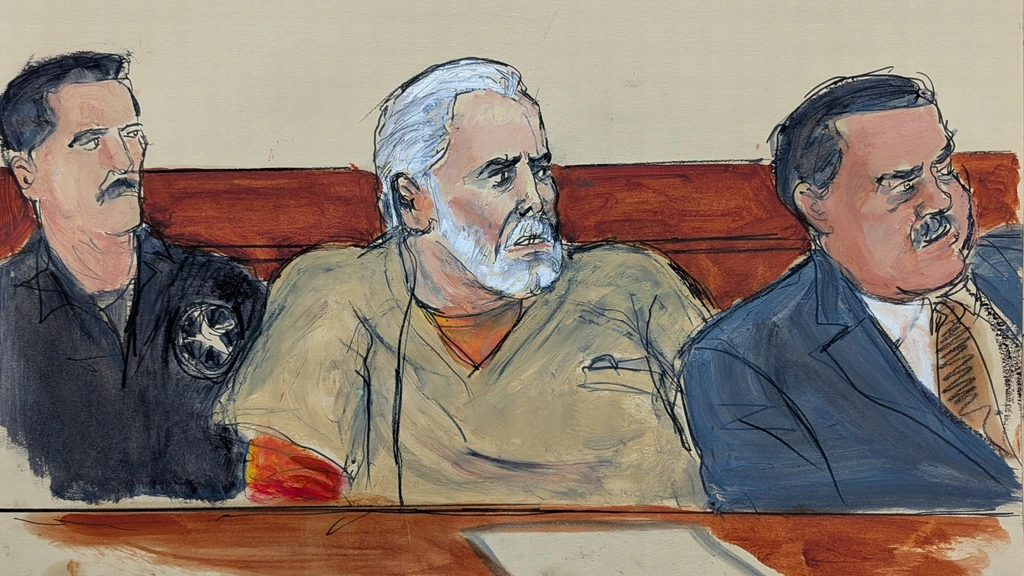
Ismael 'El Mayo' Zambada, a prominent Mexican cartel leader, has been sentenced to life imprisonment in the United States. Prosecutors allege that as the head of the Sinaloa Cartel, he ordered acts of torture and murder. He has also been ordered to pay a $15 billion fine. Zambada, 77, co-founded the notorious Sinaloa Cartel in the 1970s with Joaquín 'El Chapo' Guzmán. Together, they developed the cartel into one of the world's largest drug trafficking organizations. Guzmán was extradited to the US in 2017 and is also serving a life sentence. From 1980 until last year, the cartel was responsible for transporting vast quantities of cocaine and fentanyl. In his guilty plea, Zambada admitted that most of the drug smuggling was destined for the United States. Zambada had previously pleaded guilty to participating in a criminal organization and extortion, confessing to 85 underlying offenses. Through an interpreter, he apologized "to everyone who has suffered or been affected by my actions." The former drug lord has requested to serve his sentence in a prison hospital, citing age-related health issues and the need for continuous medical care. Zambada was arrested in July 2024 alongside Guzmán's son. He was apprehended at a ranch in Sinaloa state, flown to Texas, and handed over to the FBI. The FBI has asserted that El Chapo's son intended to surrender to the US and brought Zambada along in hopes of a reduced sentence, a narrative Mexico has questioned. The aircraft used in the arrest was recently displayed in a New Mexico museum, with its exhibit description stating FBI agents "successfully carried out a highly complex, covert, and daring arrest of two of the world's most wanted fugitives." This has prompted Mexican prosecutors to seek an investigation into the FBI's role, with President Claudia Sheinbaum stating that if an American agency participated, it violated international treaties and the Mexican constitution.
The sentencing of Ismael 'El Mayo' Zambada marks a significant development in international drug enforcement, highlighting the enduring power and reach of the Sinaloa Cartel. The substantial fine and life sentence underscore the US judicial system's stance on major drug trafficking operations. However, the controversy surrounding Zambada's arrest, particularly the alleged involvement of the FBI in an operation within Mexican territory, raises critical questions about cross-border law enforcement protocols and national sovereignty. Future collaborations between US and Mexican agencies will likely be scrutinized more closely, potentially impacting the effectiveness of joint efforts against transnational criminal organizations. The case also brings into focus the long-term challenges of managing aging cartel leaders within the prison system and the ethical considerations of their medical care, while simultaneously addressing the systemic issues that allow such organizations to thrive.
AI-generated to prompt reflection — not editorial opinion, not advice, not a statement of fact. How this works.