Mexican Tourist Suffers Head Trauma After Copacabana Robbery Attack
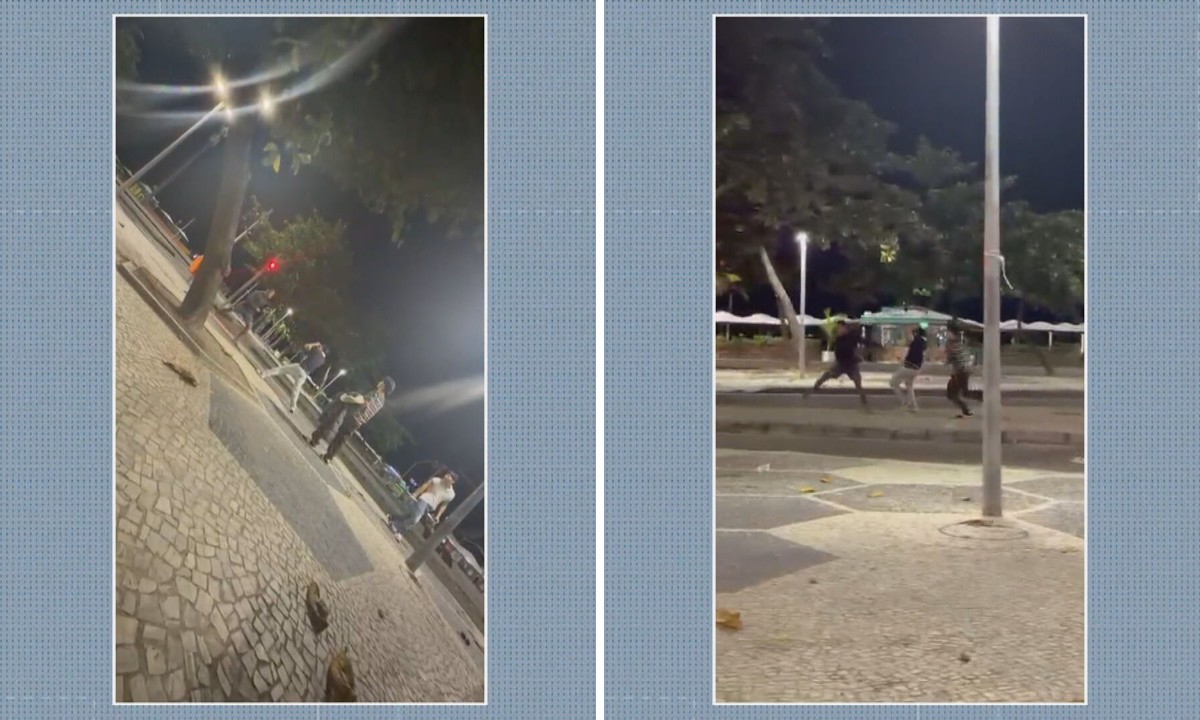
A Mexican tourist sustained a severe head injury after being assaulted during a robbery on Copacabana beach in Rio de Janeiro's South Zone last Tuesday, November 7th. The severity of his injuries forced him to postpone his return trip to Mexico. According to witnesses, the tourist, identified as Ilama Kevin, was with other Mexican visitors when they were approached and threatened by criminals. During the altercation, a physical struggle ensued, and one of the assailants struck the tourist on the head with a bottle. The victim suffered cranial trauma and was initially taken to the Municipal Hospital Miguel Couto in Leblon. Subsequently, he was transferred to a private healthcare facility, according to his family and friends. The incident was reported to the Special Delegate Station for Tourist Assistance (Deat). The group was reportedly in Rio de Janeiro for leisure, and the victim's health condition necessitated the delay of his flight home. The Military Police stated that officers from the 19th Battalion (Copacabana) responded to a call on Avenida Atlântica but found that the suspects had already fled. While searching the area, officers discovered the seriously injured tourist, who was a victim of the assault attributed to the criminal group. The Deat is continuing its investigation into the case.
This incident highlights the persistent security challenges faced by tourists in popular urban destinations, potentially impacting tourism revenue and international perception. The event underscores the need for enhanced public safety measures and targeted policing strategies in high-traffic tourist areas. Evaluating the effectiveness of current security protocols and considering technological solutions like improved surveillance or rapid response systems could be beneficial. Furthermore, understanding the socio-economic factors contributing to such criminal activity is crucial for developing sustainable, long-term solutions that address both immediate safety concerns and root causes, ensuring a more secure environment for visitors and residents alike.
AI-generated to prompt reflection — not editorial opinion, not advice, not a statement of fact. How this works.