Mexico Releases Millions of Native Flies to Combat Livestock Pest
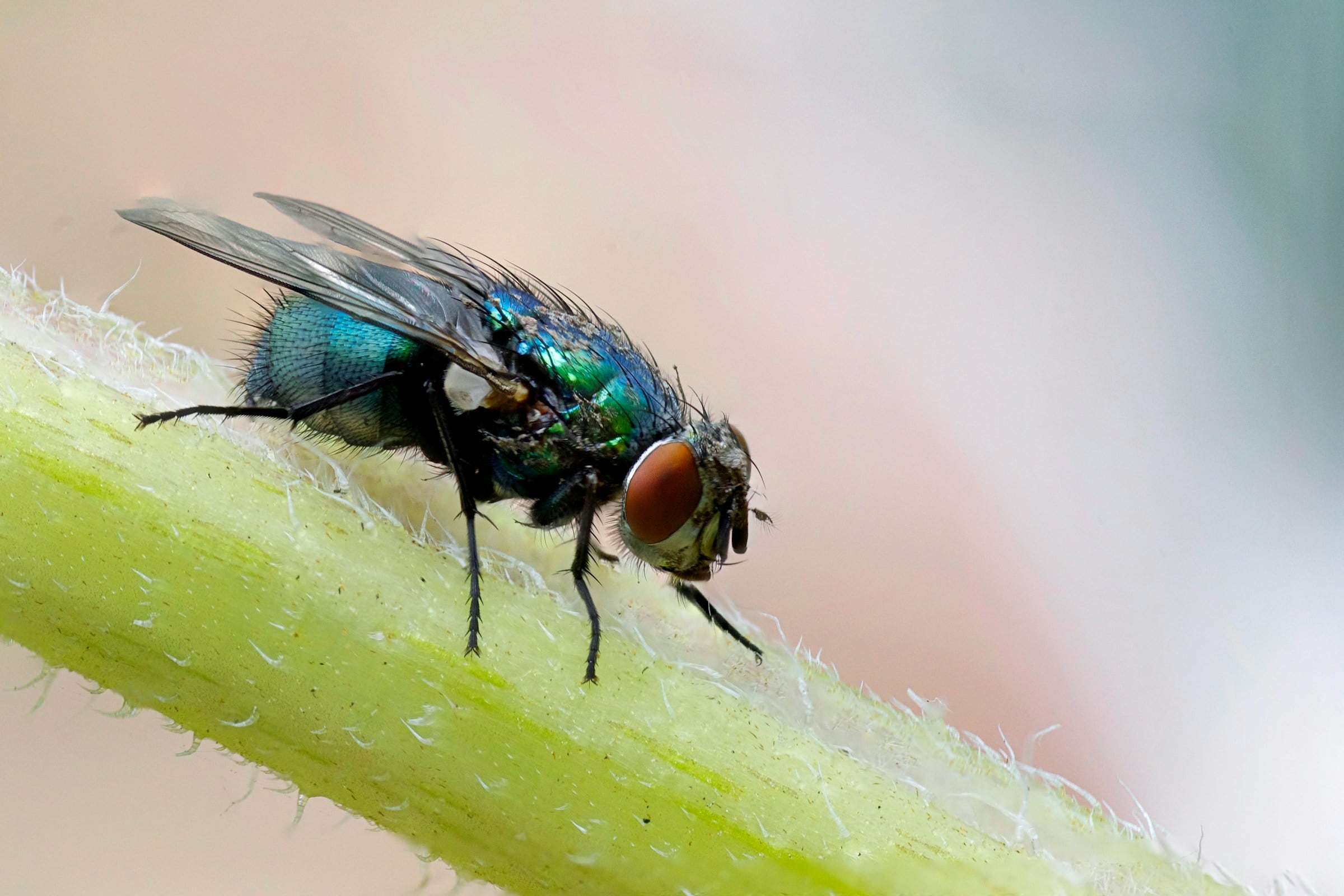
Mexico has initiated a significant operation to control a silent threat to its livestock industry by releasing millions of domestically produced flies. This initiative aims to curb a pest that could potentially cause widespread damage to the agricultural sector.
To date, a total of 2,500,000 sterile male flies have been released into the environment. This biological control method is designed to disrupt the reproductive cycle of the pest species, thereby reducing its population over time. The operation is considered crucial for safeguarding the economic stability of Mexico's vital cattle industry.
Mexico's deployment of sterile insects represents a sophisticated application of biological control, leveraging ecological principles to manage agricultural pests. This approach avoids the environmental and health risks associated with chemical pesticides, aligning with global trends toward sustainable agriculture. The strategy's success hinges on precise population modeling and effective distribution to ensure a high mating success rate for the sterile males. Future iterations could explore cost-efficiency improvements and expanded geographic coverage, potentially influencing pest management strategies in other regions facing similar agricultural challenges.
AI-generated to prompt reflection — not editorial opinion, not advice, not a statement of fact. How this works.