Mexico's UNAM Investigates Over 158,000 Exams for AI-Assisted Cheating
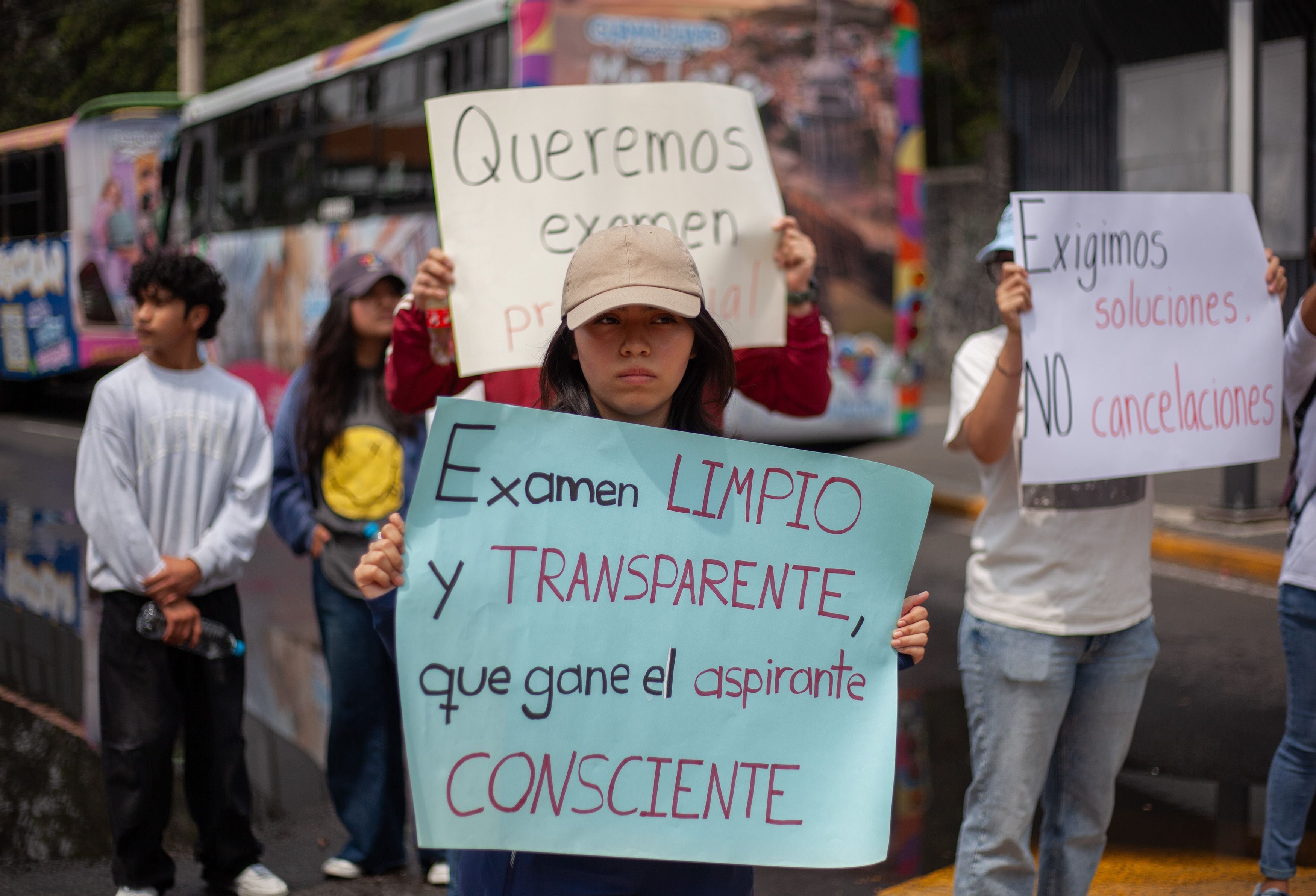
Mexico's largest public university, the National Autonomous University of Mexico (UNAM), is confronting a significant crisis following the discovery of widespread cheating during its entrance examinations. Over 158,000 exams are now under scrutiny due to the alleged use of artificial intelligence (AI) and other technologies to facilitate academic dishonesty. This marks one of the most serious challenges the institution has faced in recent years, raising concerns about the integrity of its admissions process. The university has launched a thorough investigation to determine the extent of the fraudulent activity and identify those responsible. The scale of the issue suggests a coordinated effort to exploit technological advancements for unfair advantage. UNAM is reportedly employing advanced methods to detect AI-generated content and other forms of digital cheating. The outcome of this investigation will likely have significant implications for the university's reputation and its future admission policies. The institution is committed to upholding academic standards and ensuring a fair evaluation for all prospective students.
The widespread use of AI for cheating on university entrance exams presents a complex challenge for educational institutions globally. This incident at UNAM highlights the urgent need for robust digital integrity frameworks that can adapt to rapidly evolving technologies. Universities must balance the potential benefits of AI in education with the imperative to prevent its misuse. Future strategies may involve developing more sophisticated AI-detection tools, redesigning assessment methods to be less susceptible to AI assistance, and fostering a stronger culture of academic honesty among students. The long-term implications involve ensuring equitable access to higher education while maintaining rigorous academic standards in an increasingly digital world.
AI-generated to prompt reflection — not editorial opinion, not advice, not a statement of fact. How this works.