Miami Approves Ordinance Allowing Arrest of Homeless Individuals for Sleeping on Streets
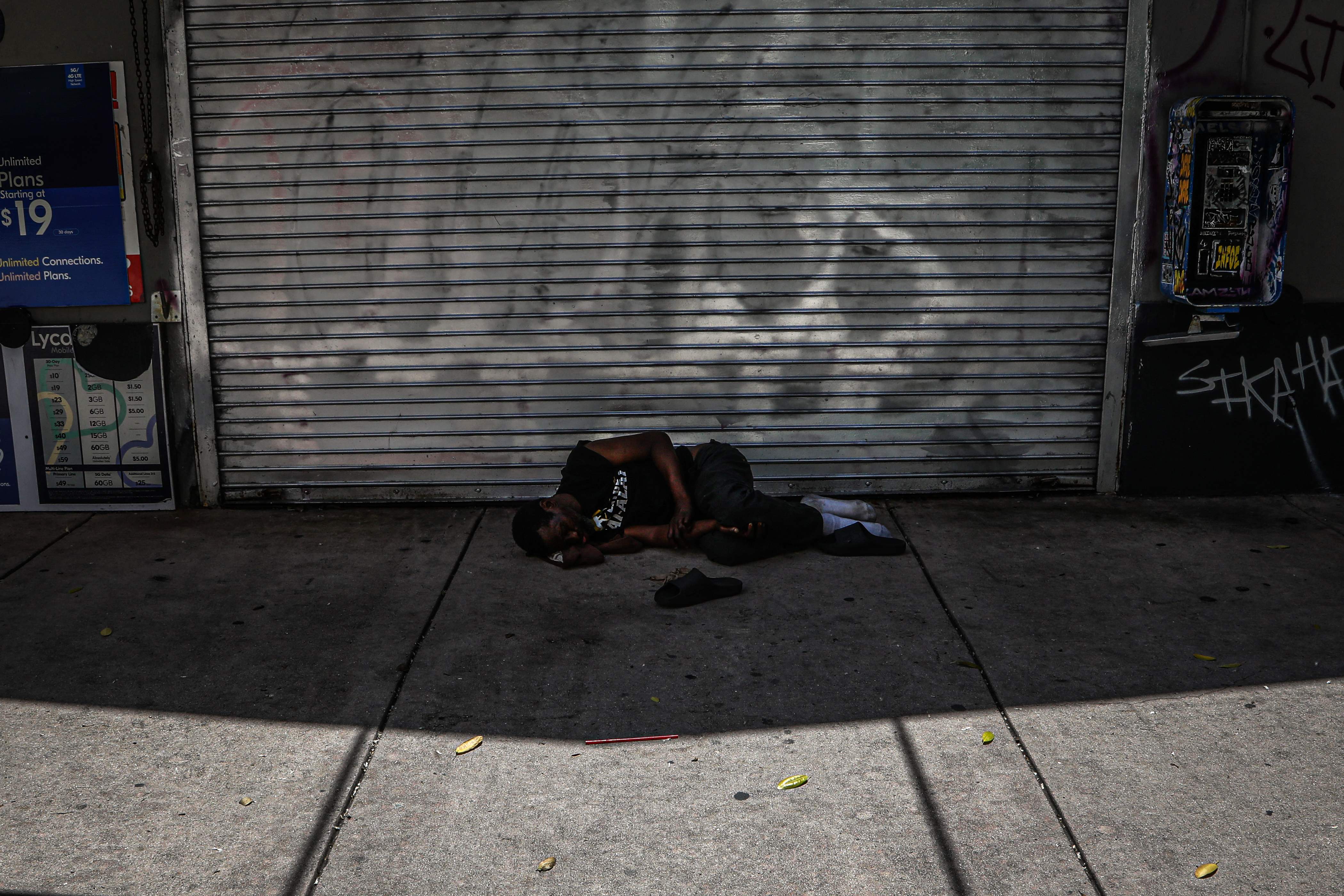
Miami city officials have approved a new ordinance that will allow law enforcement to arrest individuals experiencing homelessness for sleeping in public spaces. This measure effectively eliminates the previous requirement for prior warnings and fines, signaling a shift towards more punitive measures. The ordinance is set to take effect in 10 days unless vetoed by the city's mayor. This decision comes amid ongoing debates about how to address homelessness in major urban centers. The new rule empowers police to take individuals into custody for occupying public areas overnight. Critics argue that this approach criminalizes poverty and fails to address the root causes of homelessness, such as lack of affordable housing and mental health services. Supporters, however, contend that the ordinance is necessary to maintain public order and safety. The city has faced increasing pressure to find solutions for visible homelessness. This ordinance represents a significant change in the city's approach to managing its homeless population.
This Miami ordinance reflects a common urban governance challenge: balancing public order with the humanitarian needs of a vulnerable population. By removing prior warnings and fines in favor of direct arrest for sleeping in public, the city appears to be prioritizing immediate visible "cleanliness" over addressing the underlying systemic issues that lead to homelessness. Such policies often face criticism for potentially exacerbating the problem by increasing the likelihood of individuals cycling through the justice system, which can create further barriers to stable housing and employment. Examining the long-term efficacy and ethical implications of criminalizing homelessness, particularly in the context of evolving societal views on poverty and social welfare, will be crucial over the next decade. The focus on enforcement rather than comprehensive support services raises questions about resource allocation and the city's strategy for sustainable solutions.
AI-generated to prompt reflection — not editorial opinion, not advice, not a statement of fact. How this works.