Michael Jackson's "They Don't Care About Us" video site in Salvador closed due to structural issues
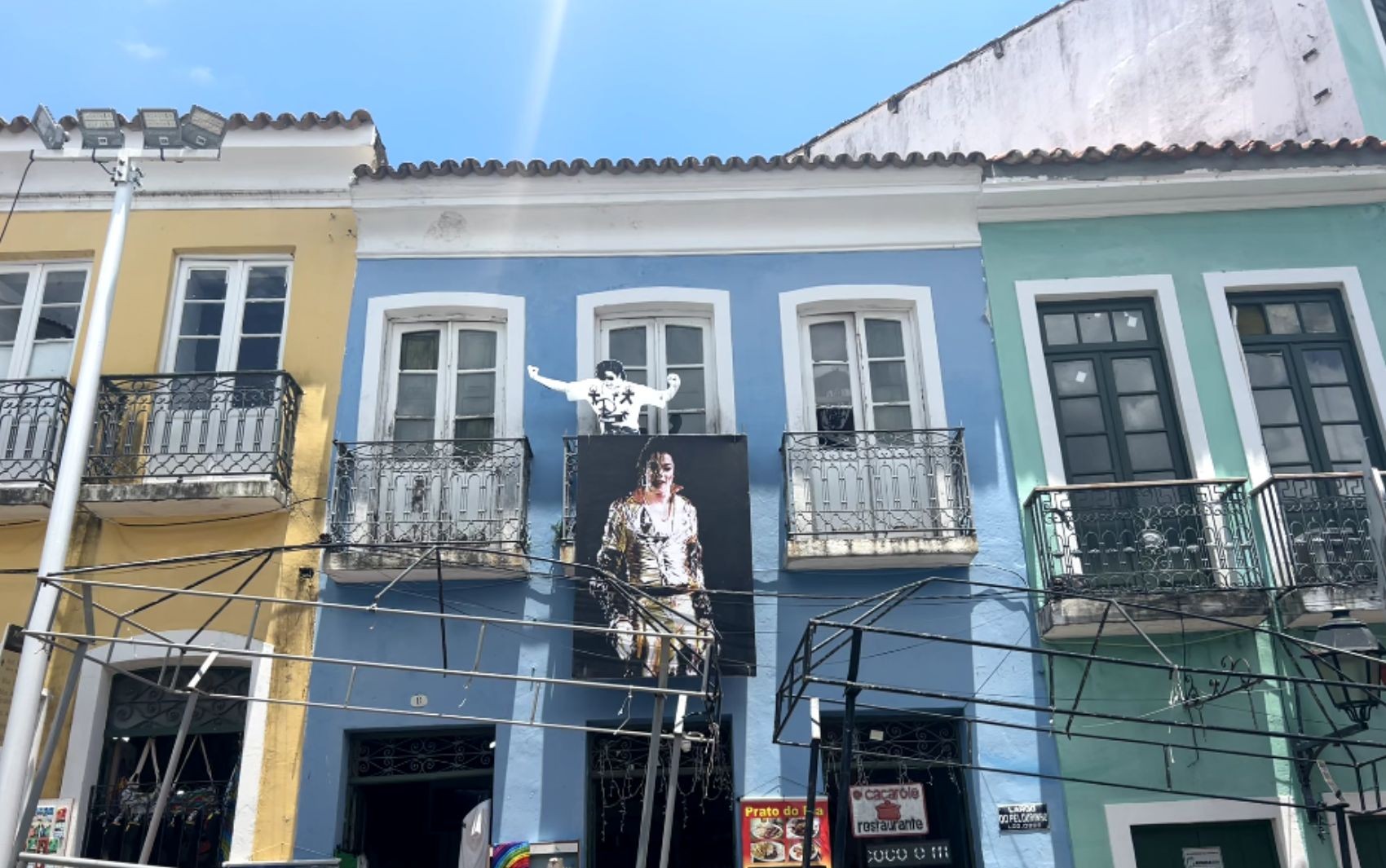
The iconic blue building's balcony in Salvador's Pelourinho, famous for Michael Jackson's appearance in the "They Don't Care About Us" music video, is now closed to visitors due to identified structural problems. The tourist spot, known as Casa Michael Jackson, faces potential closure after its operator was legally notified to vacate the premises. Despite the balcony's inaccessibility, the building remains a significant attraction, with most tourists stopping to take photos of the facade, which features a large Michael Jackson banner. A vendor, Carlos Alberto dos Santos, continues to sell merchandise related to the "King of Pop" on the ground floor. Santos stated that the building's structure has remained unchanged since the 1996 video recording. A technical inspection by the Salvador Civil Defense (Codesal) on July 14, 2025, revealed internal issues including cracks, moisture stains, crumbling plaster with exposed metal reinforcement, and a partially destroyed upper floor. The inspection also noted the absence of fire extinguishers. While Codesal did not officially embargo the property, they advised the owner to undertake structural repairs. In addition to the visitor restrictions, the operator, Carlos Alberto dos Santos, who has managed the site for 17 years, received a court order to vacate by Thursday, August 23rd. Santos claims he operated with the foreign owner's authorization and that his livelihood depended on the souvenir sales and visitor management, which began spontaneously after Jackson's death in 2009. The owner's identity remains undisclosed, and attempts to contact them have been unsuccessful.
The closure of the Casa Michael Jackson site highlights the challenges of preserving cultural landmarks that gain significance through artistic association rather than official heritage designation. The structural deficiencies and legal eviction notice point to a potential conflict between commercial exploitation of cultural memory and the responsibilities of property ownership and urban safety. This situation underscores the need for clear frameworks that balance tourism revenue generation with the long-term maintenance and safety of historically relevant sites, especially in rapidly developing urban centers. Future management strategies could explore public-private partnerships or community trusts to ensure the site's preservation and continued accessibility, mitigating risks associated with absentee ownership and ad-hoc commercial operations.
AI-generated to prompt reflection — not editorial opinion, not advice, not a statement of fact. How this works.