Michalis Chrysochoidis Speaks to TA NEA About the Marfin Case
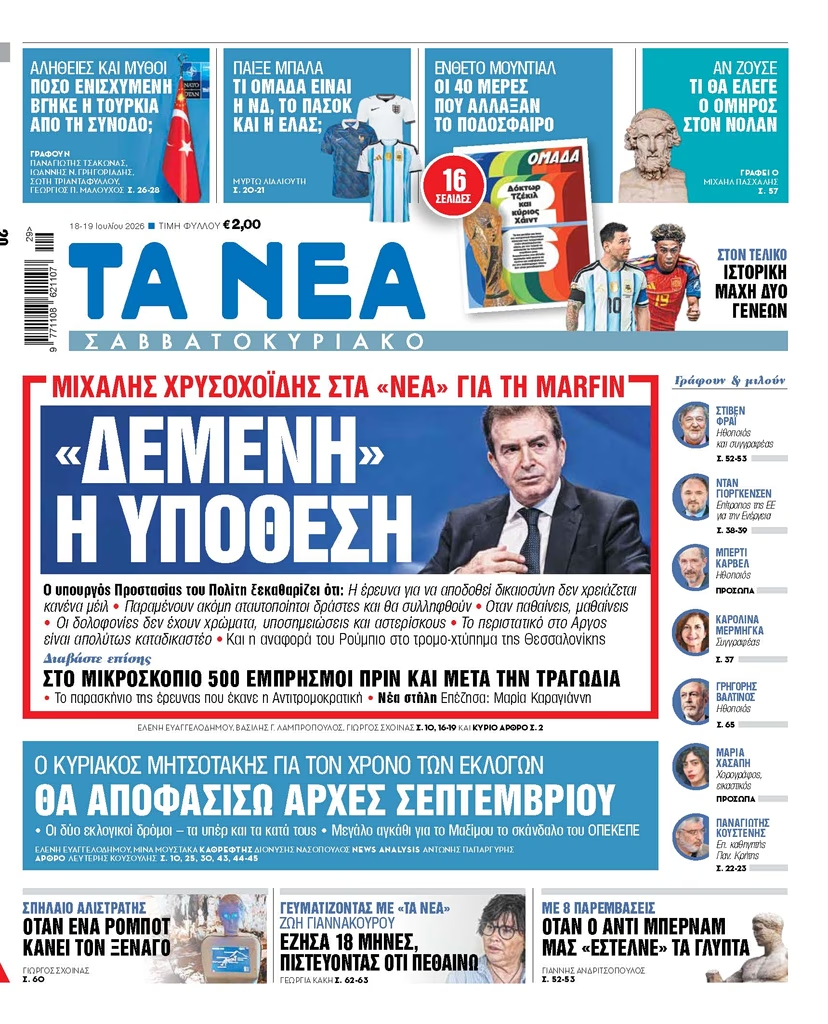
Michalis Chrysochoidis, the Greek Minister of Citizen Protection, has spoken to the newspaper TA NEA regarding the Marfin case. The headline suggests that the case is now 'tied up' or resolved. Chrysochoidis's involvement indicates a high-level governmental perspective on the matter. The Marfin case likely refers to a significant event or legal proceeding connected to the Marfin Bank, which was involved in a notable incident in Athens. This incident, occurring during a period of intense social unrest and economic crisis in Greece, involved a fire at the bank's headquarters that resulted in fatalities. The case has been a subject of public and legal scrutiny for years. Chrysochoidis's comments in TA NEA are expected to shed light on the current status of the investigation or legal proceedings. The newspaper's framing implies a definitive conclusion or a significant development that brings closure to the complex issue. Further details from the interview are anticipated to clarify the nature of this resolution and its implications.
The statement from Minister Chrysochoidis regarding the Marfin case, as reported by TA NEA, signals a potential shift in the public narrative or legal standing of a sensitive event. By framing the case as 'tied up,' the government may be aiming to consolidate public understanding and close a chapter that has remained open for a considerable period. This approach could be influenced by a desire to project stability and resolution during a time of ongoing societal challenges. From a governance perspective, managing the public perception of justice and accountability is crucial. The focus on resolution, rather than prolonged uncertainty, might be intended to foster confidence in institutional processes. However, the long-term implications of how such cases are concluded can impact public trust and the perceived efficacy of the legal system, particularly in the context of systemic issues that led to the original event.
AI-generated to prompt reflection — not editorial opinion, not advice, not a statement of fact. How this works.