Michel Houellebecq Opposes Euthanasia Bill, Citing 'Sea Darkened with Blood'
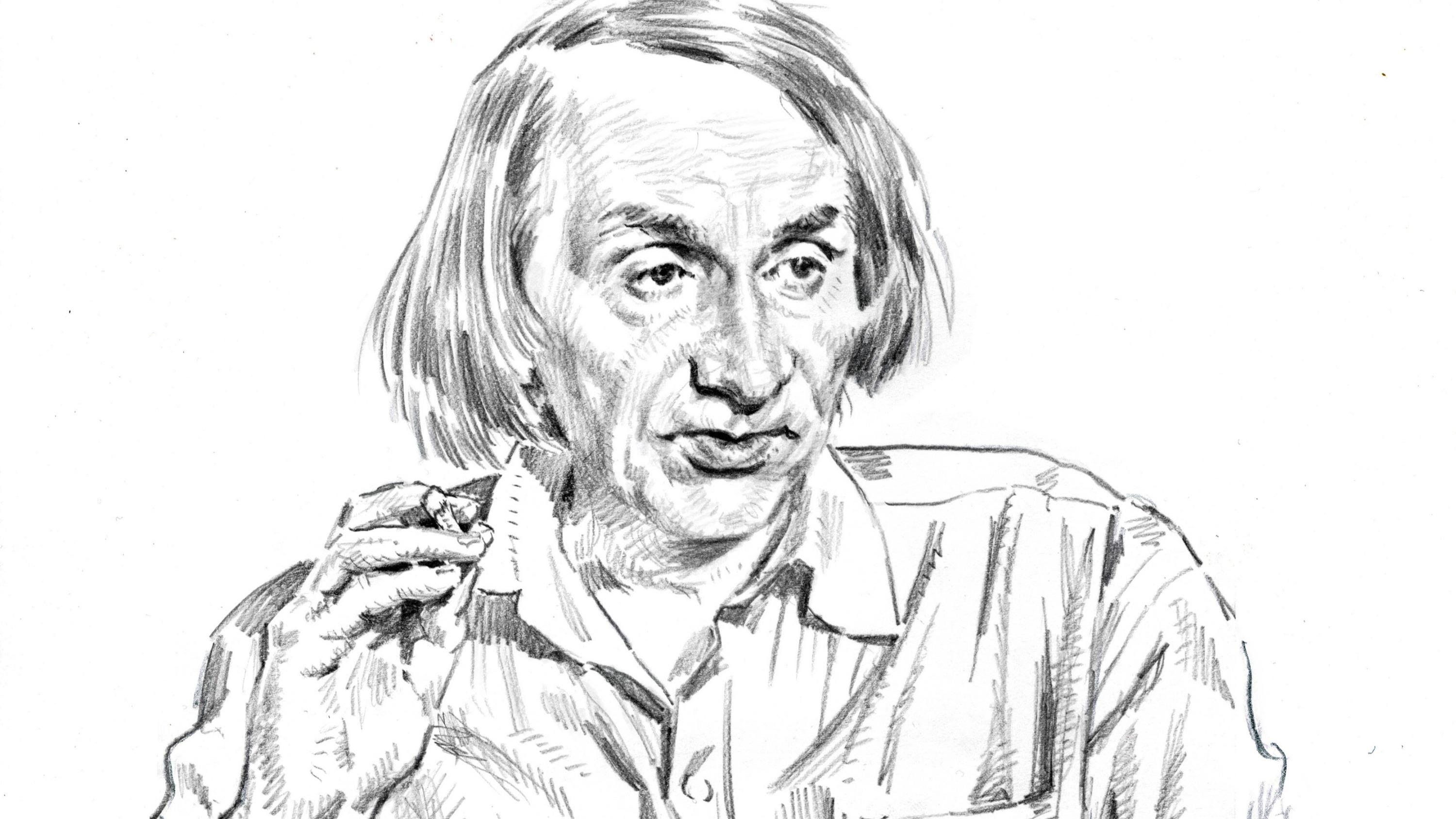
French writer Michel Houellebecq has expressed his profound opposition to the proposed end-of-life law, which deputies are expected to definitively adopt on July 15th. In a rare public statement, Houellebecq shared his deep-seated reasons for opposing euthanasia. The acclaimed author's perspective, published exclusively by Le Figaro, offers a critical viewpoint on the legislation. He describes the potential consequences of such a law in stark, evocative terms, likening the outcome to a 'sea darkened with blood.' This intervention marks a significant moment, as Houellebecq typically maintains a low profile in public debates. His commentary provides a literary and philosophical counterpoint to the legislative process, raising questions about the societal implications of assisted dying. The piece delves into the ethical and existential dimensions of end-of-life choices. Houellebecq's strong stance highlights the ongoing societal debate surrounding medical aid in dying and its potential impact on human dignity and societal values.
The debate surrounding end-of-life legislation, as highlighted by Michel Houellebecq's commentary, reflects a fundamental tension between individual autonomy and societal values regarding life and death. While proponents emphasize compassion and relief from suffering, critics raise concerns about potential societal pressures, the devaluation of life, and the slippery slope argument. From a systemic perspective, the challenge lies in establishing legal frameworks that balance the desire for individual choice with the imperative to protect vulnerable populations and uphold a collective respect for human life. Future considerations may involve exploring alternative palliative care advancements and robust psychological support systems to address suffering without resorting to irreversible measures. The long-term societal impact of such laws, particularly in an aging population context, warrants careful, ongoing ethical and sociological examination.
AI-generated to prompt reflection — not editorial opinion, not advice, not a statement of fact. How this works.