Michelin Denies Brazil Exit Rumors Following Guarulhos Plant Closure
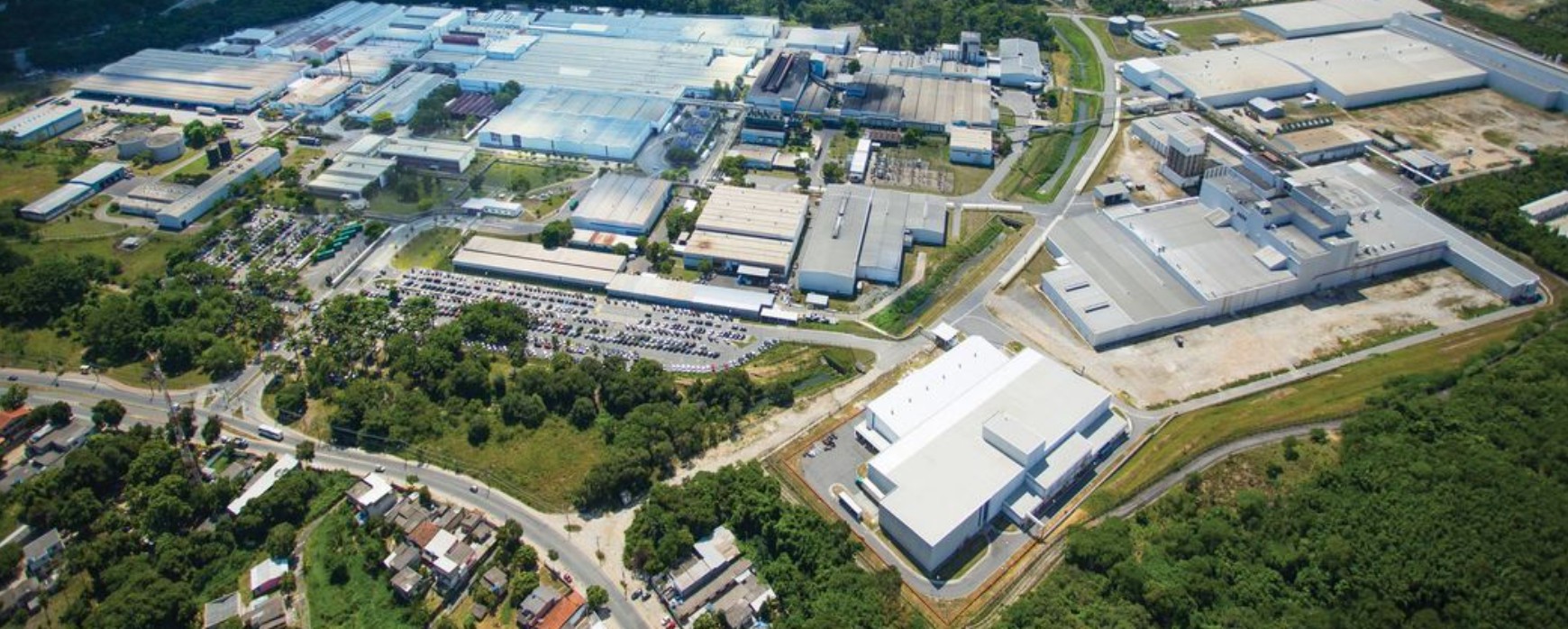
False claims circulating on social media suggest that the tire manufacturer Michelin is leaving Brazil after closing its factory in Guarulhos, Greater São Paulo. This information is incorrect. Michelin has confirmed that while the gradual closure of the Guarulhos plant, which operated for over 70 years, will be completed by the end of 2025, the company remains committed to Brazil. The company maintains its operations in multiple states, including Amazonas, Bahia, Espírito Santo, Minas Gerais, Rio de Janeiro, and São Paulo, where it has a complete production cycle. The Guarulhos facility primarily produced inner tubes for motorcycles and bicycles, industrial tires, and semi-finished products. The decision to close this specific plant was attributed to overcapacity, exacerbated by a significant influx of imported products from Asia that often undercut local production costs, particularly impacting the motorcycle and bicycle inner tube segment. Michelin stated that social packages, including financial support and professional guidance, were approved with the union for affected workers at the end of last year, not recently. The NationalPneumaticIndustry Association (Anip) has reported a significant shift in the Brazilian tire market, with imported tires capturing 69% of sales in the first four months of this year, compared to 31% for domestic production. This marks a reversal from 2019, when domestic tires held a 69% market share.
The spread of misinformation regarding corporate exits from Brazil highlights the vulnerability of public discourse to unsubstantiated claims, often amplified by social media. The Michelin situation demonstrates how a specific plant closure, driven by market dynamics like import competition and overcapacity, can be misrepresented as a complete withdrawal. This narrative framing can be politically charged, suggesting broader economic decline or governmental failure. Objectively, the company's continued presence and diversified operations across multiple Brazilian states indicate a strategic adjustment rather than an abandonment of the market. The analysis of import pressures and market share shifts, as reported by Anip, provides a rational explanation for such operational changes. Future policy considerations might focus on fostering a competitive domestic manufacturing environment that can withstand global price pressures without resorting to protectionism that could stifle innovation or consumer choice.
AI-generated to prompt reflection — not editorial opinion, not advice, not a statement of fact. How this works.