Michigan Senate Debate: El-Sayed and Stevens Clash on Israel and Campaign Funding
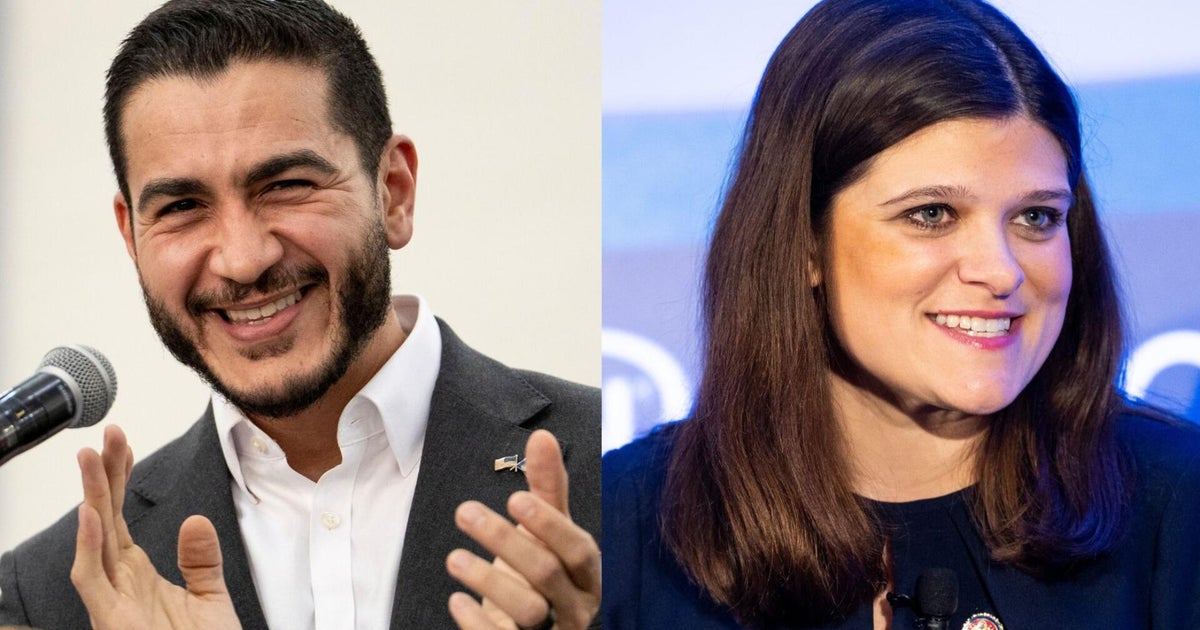
In a heated debate for the Michigan Democratic Senate primary, progressive former health director Abdul El-Sayed and centrist Representative Haley Stevens engaged in sharp exchanges. The candidates clashed particularly on issues related to Israel and the sources of their campaign funding. The debate highlighted the ideological divide within the Democratic party as both candidates vie for the opportunity to represent their party in the upcoming general election. Stevens, representing a more moderate wing, and El-Sayed, appealing to the progressive base, presented contrasting visions for Michigan and the nation. Their differing approaches to foreign policy, specifically concerning the Middle East, and their campaign finance strategies were central points of contention. This primary race is seen as a key contest that could influence the direction of the Democratic party in Michigan. The outcome will determine who faces the Republican nominee in the race for the U.S. Senate seat. Nikole Killion provided coverage of the latest developments in this closely watched race.
The debate between Abdul El-Sayed and Haley Stevens underscores the persistent tension between progressive and centrist factions within the Democratic party, particularly concerning foreign policy and campaign finance. El-Sayed's progressive stance likely aligns with a base critical of certain aspects of U.S. policy toward Israel, while Stevens' centrist position may reflect a more traditional approach favored by established party structures and donors. The differing views on campaign money highlight broader discussions about the influence of special interests versus grassroots support in electoral politics. As the Democratic party navigates these internal divisions, the ability to unify disparate ideological wings will be crucial for electoral success in the broader political landscape. The candidates' performances offer insights into how these policy and funding debates might shape future political discourse and party platforms.
AI-generated to prompt reflection — not editorial opinion, not advice, not a statement of fact. How this works.