Michigan Senate Primary Highlights National Democratic Party Divisions
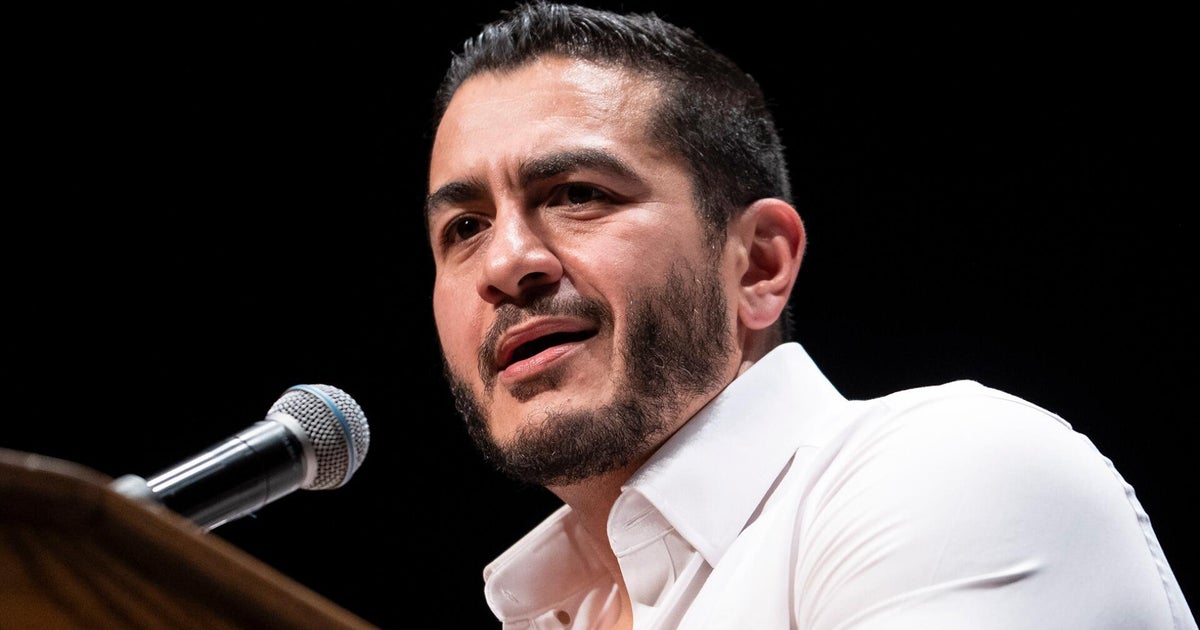
Michigan's Democratic Senate primary is becoming a focal point for the internal divisions within the national Democratic Party. Progressive factions are rallying behind candidate Abdul El-Sayed, indicating a broader trend of support for more left-leaning candidates. This support has garnered attention from prominent national figures, with Senator Elizabeth Warren of Massachusetts recently endorsing El-Sayed. The primary race is seen as a microcosm of the ideological struggles facing the Democratic Party as it navigates its path forward. Political strategists Chuck Rocha and Leslie Shedd are offering their insights into the dynamics of this race and its implications for the party. Their analysis likely touches upon the challenges of unifying different wings of the party, particularly the tension between progressive and more moderate Democrats. The outcome in Michigan could signal future electoral strategies and the party's ability to bridge these ideological gaps.
The Michigan Senate primary reflects a recurring tension within the Democratic Party between its progressive and moderate wings, a dynamic amplified by national endorsements. This ideological divergence presents a strategic challenge for the party's electoral cohesion and its ability to present a unified front. As the party grapples with defining its identity for the coming decade, such primaries serve as crucial testing grounds for policy platforms and candidate appeal across different voter demographics. The influence of national figures on local races highlights the interconnectedness of party strategy and grassroots movements, prompting questions about how to balance diverse constituent demands with overarching party goals.
AI-generated to prompt reflection — not editorial opinion, not advice, not a statement of fact. How this works.