Mick Jagger Approves AI in Music, With a Caveat on Originality
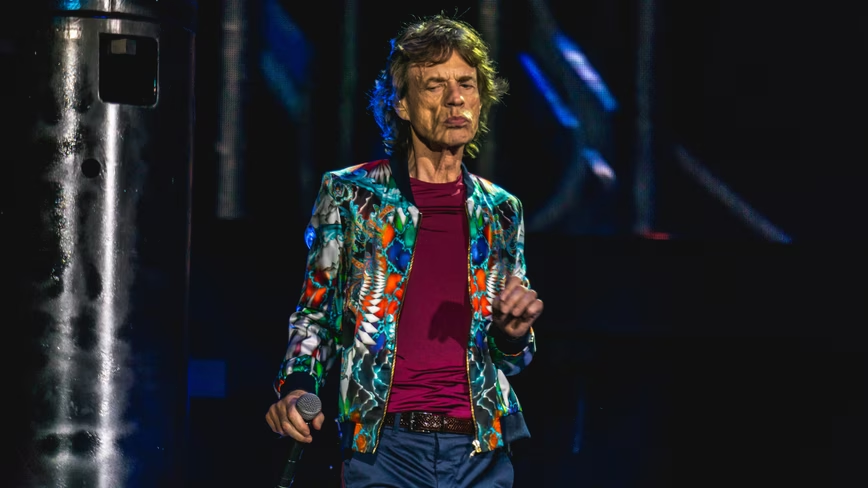
Rolling Stones frontman Mick Jagger has expressed a conditional acceptance of artificial intelligence in music creation. In a recent interview with Billboard, Jagger stated that musicians are free to use AI tools to generate music. However, he emphasized a critical condition: the resulting music must be entirely original and not mimic existing artists.
Jagger's stance suggests a nuanced view on AI's role in the music industry. While open to technological advancements, he draws a firm line at the unauthorized replication of an artist's unique sound or style. This perspective highlights the ongoing debate about intellectual property and artistic integrity in the age of AI-generated content. The interview did not elaborate further on specific AI applications or potential future scenarios.
AI's integration into creative fields like music presents a complex interplay between technological innovation and established artistic principles. Jagger's qualified endorsement reflects a common sentiment: embracing AI's potential for new creative avenues while safeguarding individual artistic identity and intellectual property rights. This dynamic raises questions about how copyright law and industry standards will evolve to address AI-generated works. The core challenge lies in distinguishing between AI as a tool for enhancement and AI as a means of unauthorized replication, a distinction that will likely shape future legal and ethical frameworks within the arts.
AI-generated to prompt reflection — not editorial opinion, not advice, not a statement of fact. How this works.