Microbursts and Tornadoes: Predicting Extreme Weather Events Remains a Challenge
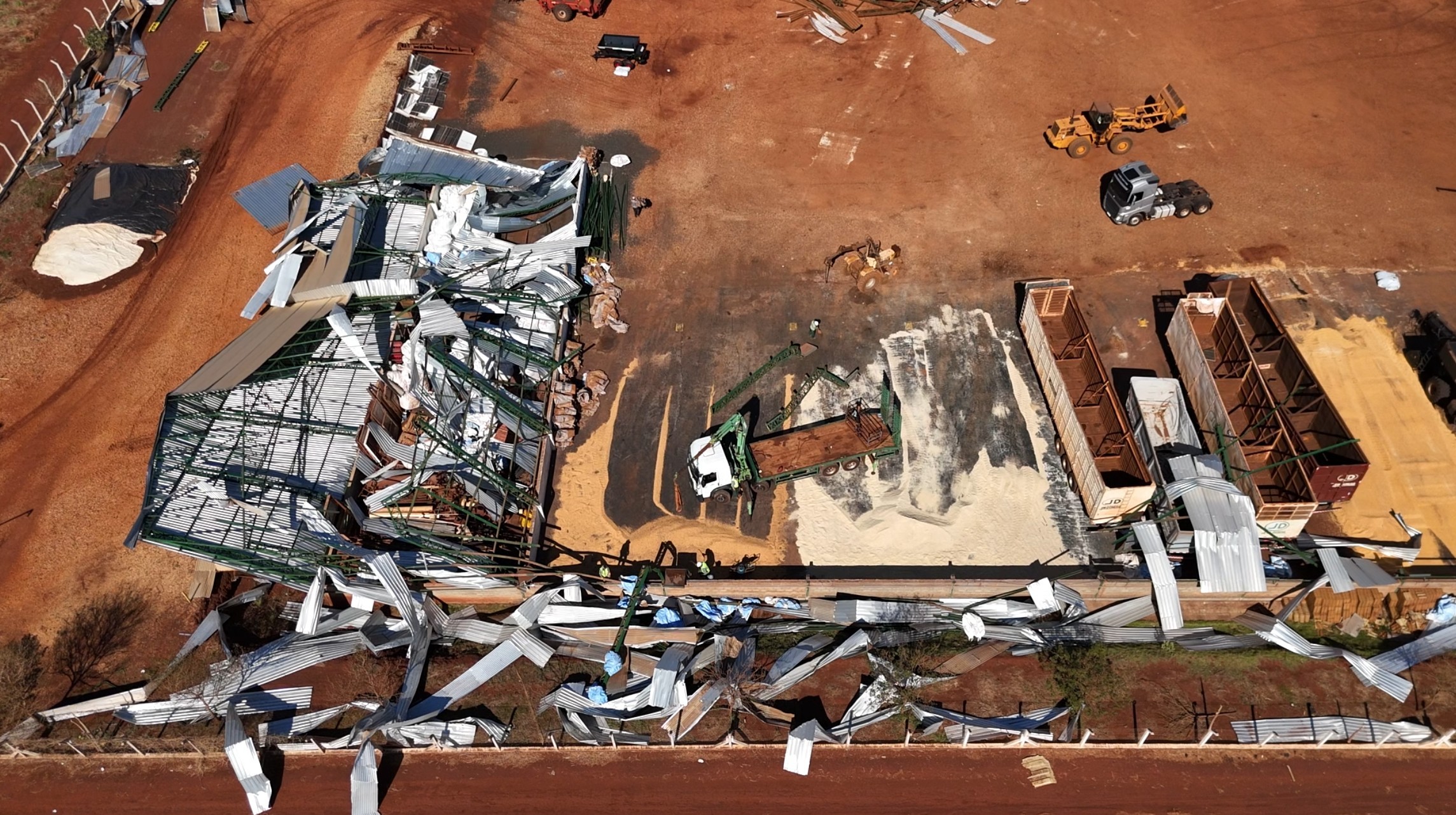
A recent destructive event in the Ribeirão Preto region of São Paulo, Brazil, characterized by winds up to 160 km/h, has highlighted the difficulty in predicting microbursts and tornadoes. These severe weather phenomena, which struck at least six cities including Ribeirão Preto, Guariba, Taquaritinga, Dumont, Pradópolis, and Barrinha last Friday, were not detected by meteorological radars or predicted in advance. Meteorologists explain that while the potential for supercell formation can be anticipated, pinpointing the exact location and timing of microbursts or tornadoes is technically challenging due to their intense nature and short duration, often lasting only minutes. Modern forecasting can typically identify the possibility of intense storms and wind gusts one to two hours before they occur, but precise localization remains elusive. Governor Tarcísio de Freitas acknowledged the limitations of current meteorological models in predicting such extreme events. The microburst caused significant damage, with initial government estimates suggesting 79,000 hectares were affected, an area equivalent to 110,000 football fields. The distinction between a tornado and a microburst lies in their air current patterns: tornadoes involve a rotating, traveling column of air, while microbursts involve downdrafts that spread out radially from a concentrated area. Both phenomena can inflict similar levels of damage. Supercells, the parent storms that generate these events, can form in unstable atmospheric conditions, requiring a mix of hot, humid air with dry, hot air, or the interaction of warm, dry air masses with cool, moist fronts, as was the case in Ribeirão Preto.
The unpredictability of microbursts and tornadoes, despite advancements in meteorological technology, underscores a persistent challenge in atmospheric science. While forecasting models can identify atmospheric instability conducive to severe weather, the localized and rapid onset of these phenomena limits the efficacy of traditional warning systems. This gap between potential and precise prediction highlights the need for continued research into high-resolution atmospheric modeling and real-time data assimilation. Future advancements may involve integrating more sophisticated sensor networks and AI-driven pattern recognition to improve short-term, hyper-local forecasts. The economic and social impact of such unpredictable events necessitates a dual approach: enhancing predictive capabilities where possible, and simultaneously building societal resilience through robust infrastructure and emergency preparedness plans that account for the inherent uncertainty of extreme weather.
AI-generated to prompt reflection — not editorial opinion, not advice, not a statement of fact. How this works.