Microfinance Debt Leads to Predatory Lending and Displacement
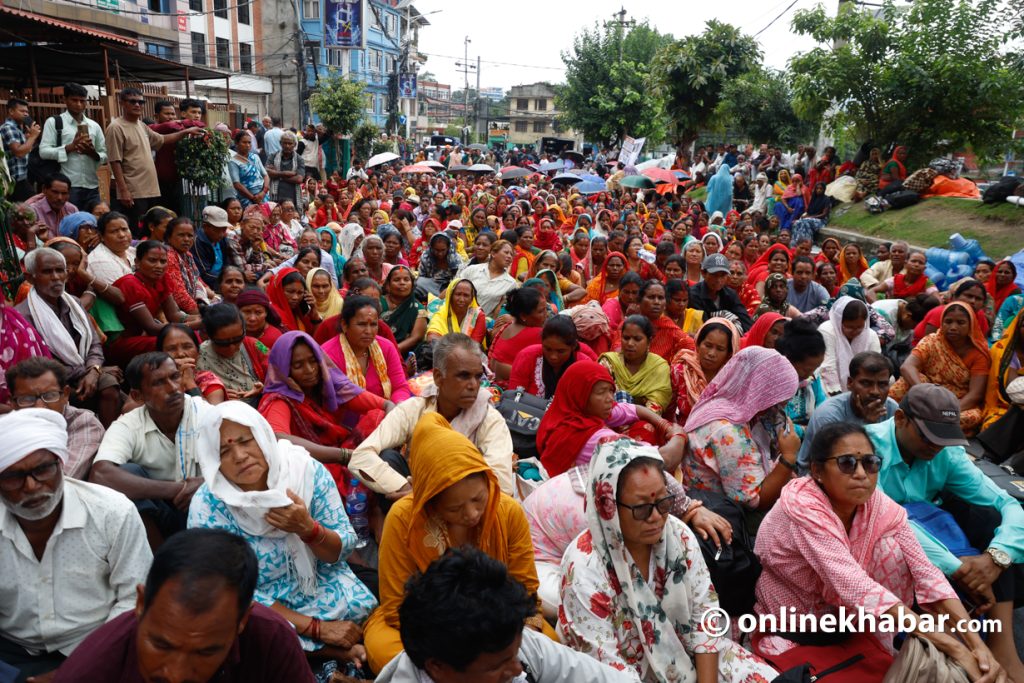
Individuals who borrowed from microfinance institutions under group collateral to improve their economic situation now face becoming landless. They resorted to taking loans from predatory lenders, often at exorbitant interest rates, to repay their microfinance debts. This cycle of debt has pushed them to the brink of losing their homes and livelihoods. As a last resort, they have commenced a hunger strike to protest their dire circumstances. The situation highlights the vulnerability of marginalized communities who seek financial empowerment but fall prey to exploitative lending practices. The collective action aims to draw attention to the systemic issues contributing to their impoverishment.
This situation illustrates a critical failure in financial inclusion mechanisms, where intended support for economic upliftment inadvertently traps vulnerable populations in cycles of debt. The reliance on predatory lenders to service microfinance obligations points to a systemic issue where the initial loan terms or the economic realities faced by borrowers may not align with repayment capacities. This can create a feedback loop of increasing debt burdens, leading to severe social consequences like displacement. Future interventions should focus not only on access to credit but also on robust borrower protection, financial literacy, and sustainable repayment frameworks that account for economic volatility and prevent the exploitation of those seeking to improve their lives.
AI-generated to prompt reflection — not editorial opinion, not advice, not a statement of fact. How this works.