Microplastics Found in Amazon Tadpoles for the First Time
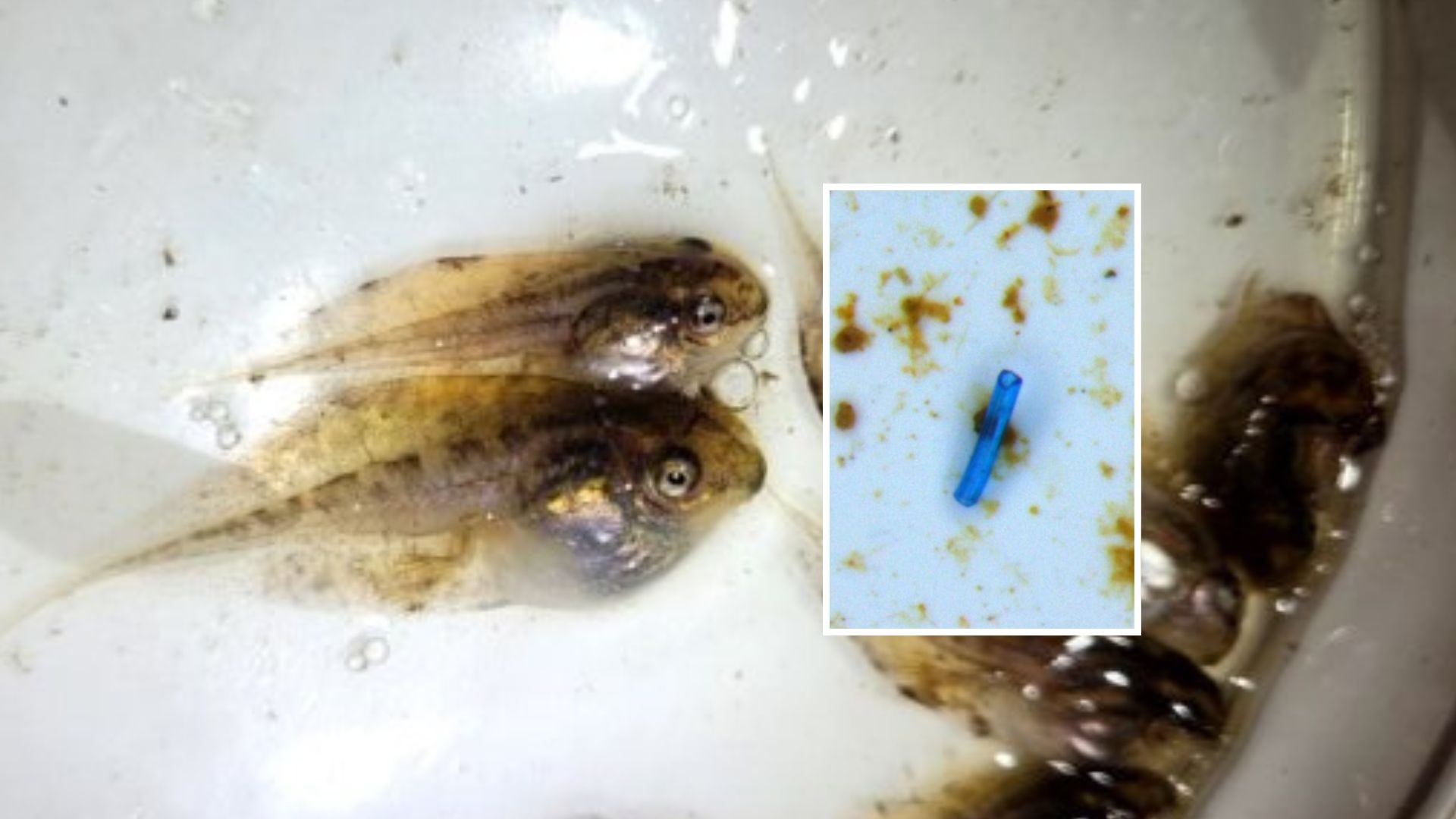
Scientists from the Federal University of Pará have discovered microplastics in the bodies of tadpoles in the Amazon, marking the first documented instance of such contamination in anuran (frogs, toads, and tree frogs) young in the region. The study, conducted at the Gunma Ecological Park in Santa Bárbara do Pará, involved collecting one hundred tadpoles of the species Scinax x-signatus from shallow rainwater pools. Microscopic analysis revealed microplastics in all sampled tadpoles. These plastic particles, measuring less than 5 millimeters, are either manufactured at this size or result from the degradation of larger plastic items. Researchers observed that tadpoles ingest these particles from their aquatic environment as they feed by suction, accumulating energy for metamorphosis. Previous research by the same university had already identified microplastics in adult frogs, affecting their skin, lungs, and digestive systems. The current study also noted a correlation between higher microplastic concentrations and lower body weight in the tadpoles. Scientists suggest that microplastics can lead to DNA alterations, developmental issues, and intestinal or oral deformities in these sensitive organisms. Microplastics can enter remote environments through wind and rainwater, and are also carried by rivers, contributing to widespread pollution in the Amazon. This contamination poses a risk to humans as microplastics can accumulate in the food chain, entering organisms like fish and shrimp that are consumed by people. Research has found microplastics in various human organs, with some studies suggesting links to inflammation and immune system changes, though more evidence is needed to establish connections to serious diseases.
This research highlights the pervasive nature of microplastic pollution, extending even to remote ecosystems like the Amazon and affecting foundational species in the food web. The study's finding of microplastics in all sampled tadpoles and the observed correlation with reduced body weight suggest potential systemic impacts on amphibian development and survival. As these tadpoles are a food source for other animals and humans, the contamination represents a clear pathway for bioaccumulation up the food chain. Future research should focus on quantifying the ecological and human health risks associated with this widespread contamination, particularly concerning the long-term effects on biodiversity and public health. Understanding the specific sources and transport mechanisms within the Amazon basin will be crucial for developing targeted mitigation strategies.
AI-generated to prompt reflection — not editorial opinion, not advice, not a statement of fact. How this works.