Microplastics Found in Deep-Sea Snails and Mussels at 2,000 Meters
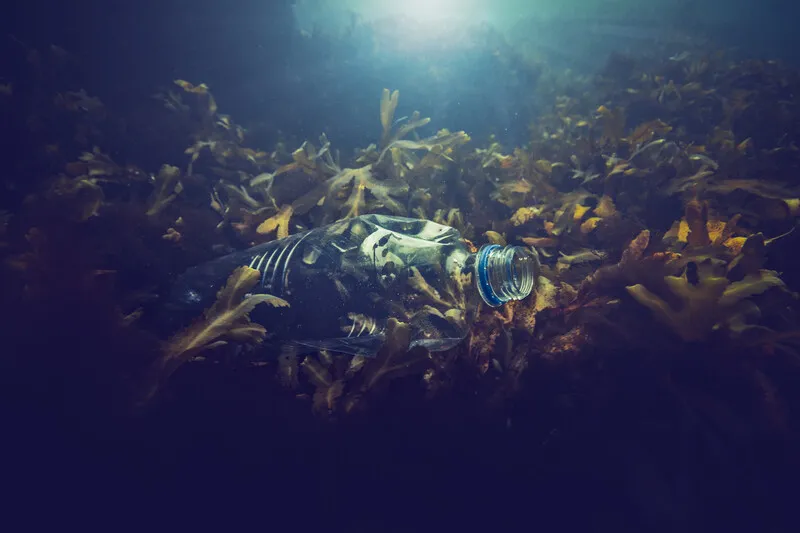
Microplastics have been detected in the bodies of deep-sea snails and mussels living at depths of 2,000 meters. This discovery highlights the pervasive nature of plastic pollution, reaching even the most remote and extreme environments on Earth. The findings suggest that these tiny plastic particles are accumulating in marine organisms across various depths and ecosystems. Further research is needed to understand the full impact of these microplastics on the health and survival of these deep-sea species. The presence of microplastics in such a pristine environment raises concerns about the long-term consequences for marine biodiversity. Scientists are investigating the pathways through which microplastics reach these deep-sea habitats. This contamination underscores the urgent need for global efforts to reduce plastic waste and mitigate its environmental impact. The study contributes to a growing body of evidence on the widespread distribution of microplastics in the world's oceans.
The detection of microplastics in deep-sea organisms at 2,000 meters indicates a significant and widespread distribution of plastic pollution, extending beyond shallower waters and coastal areas. This finding suggests that ocean currents and biological processes are effectively transporting microplastics to even the most remote marine ecosystems. From a systems perspective, this contamination poses a challenge to the resilience of deep-sea food webs, potentially impacting organisms at various trophic levels. Future research should focus on the physiological effects of microplastic ingestion on these specialized species and the potential for bioaccumulation. Addressing this issue will require comprehensive strategies for plastic waste reduction and improved waste management infrastructure globally, considering the long-term implications for ocean health and biodiversity in the coming decade.
AI-generated to prompt reflection — not editorial opinion, not advice, not a statement of fact. How this works.