Microplastics Found in Fish from Halda and Karnaphuli Rivers, Posing Health Risks
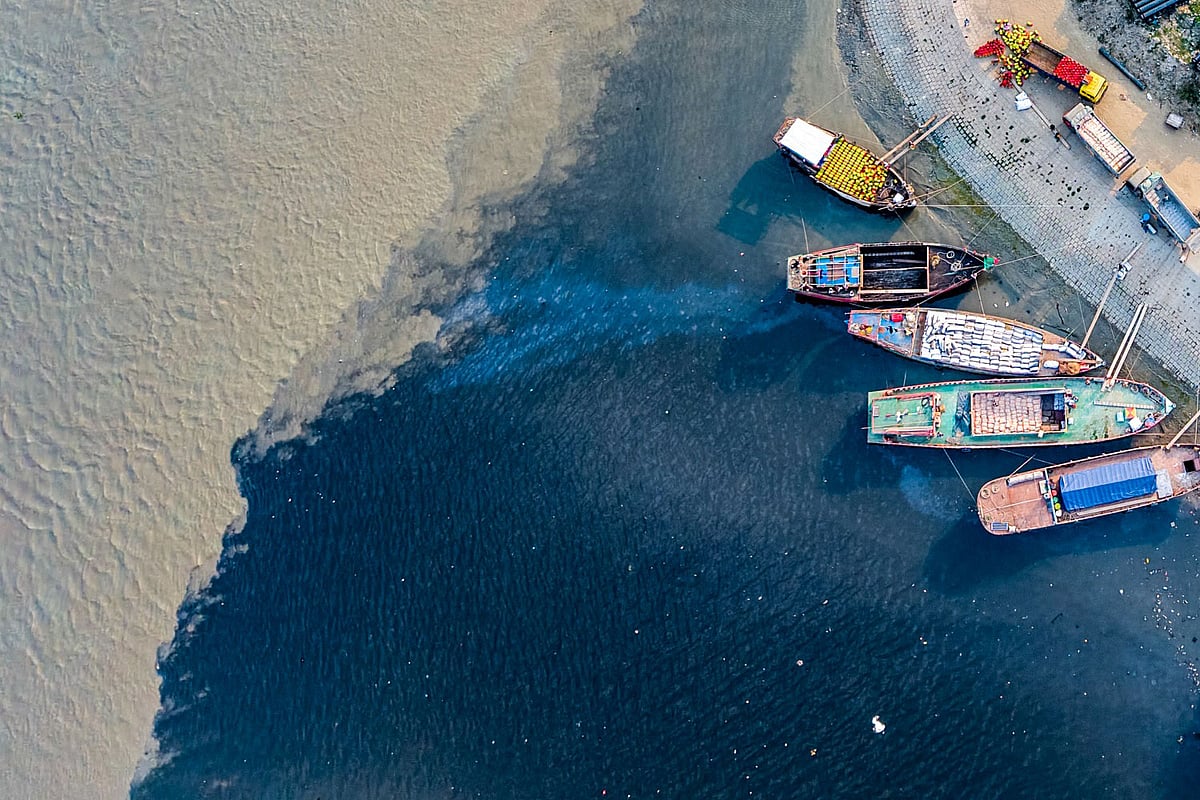
Microplastic pollution has extended beyond river water and has now entered the aquatic food chain. A pathway has been established for microplastics to move from rivers into fish, and subsequently into the human diet. This contamination raises significant concerns about the safety of consuming fish from these water bodies. The presence of microplastics in both the Halda and Karnaphuli rivers indicates a widespread environmental issue affecting the region's water resources. Further investigation is needed to understand the full extent of this contamination and its potential long-term health impacts on both aquatic life and humans. The findings highlight the urgent need for measures to curb plastic pollution and protect water ecosystems.
The pervasive presence of microplastics in riverine ecosystems and their subsequent entry into the food chain represent a critical environmental challenge. This situation underscores the systemic failure in waste management and industrial discharge regulations, allowing plastic pollutants to infiltrate natural water systems. The long-term implications for public health and biodiversity warrant rigorous scientific assessment and proactive policy interventions. Future strategies must focus on source reduction of plastic waste, improved wastewater treatment, and the development of biodegradable alternatives to mitigate such ecological and health risks.
AI-generated to prompt reflection — not editorial opinion, not advice, not a statement of fact. How this works.