Microplastics Found in Milk, Sugar, and Oil in Bangladesh, Raising Health Concerns
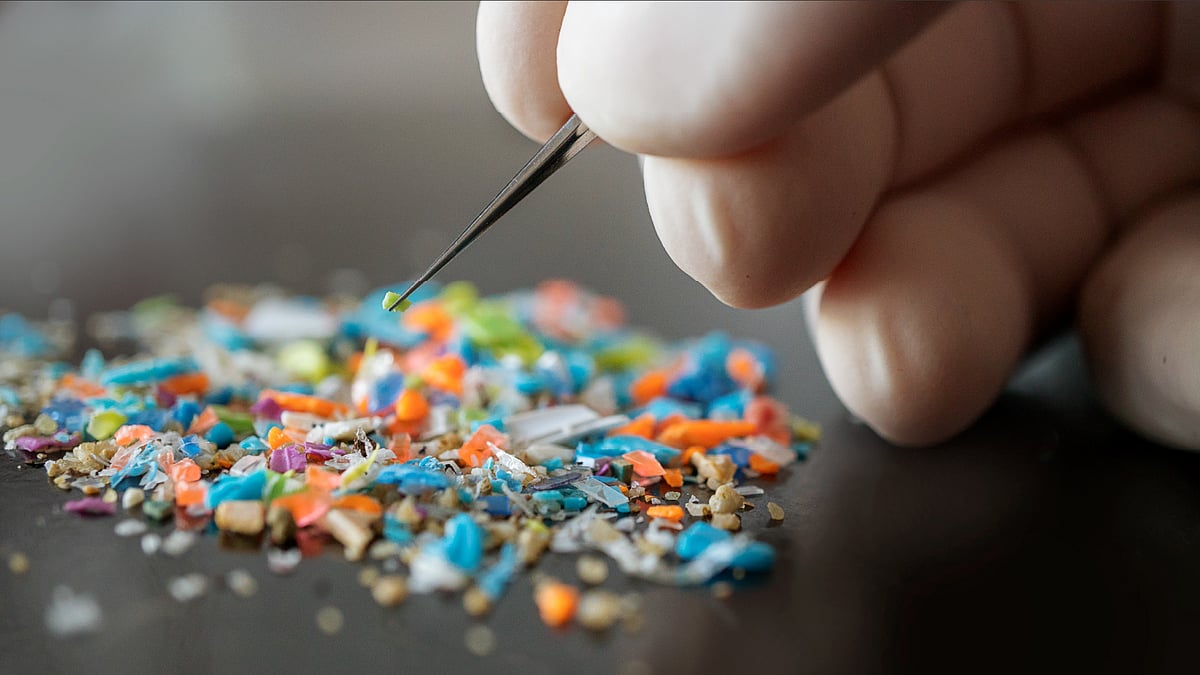
Following the discovery of microplastics in toothpaste, further investigations in Bangladesh have revealed the presence of tiny plastic particles in widely consumed products including milk, sugar, and soybean oil sold in the domestic market. This finding raises significant concerns about potential health risks associated with the regular ingestion of these microplastics. The extent of contamination and the specific types of microplastics identified are detailed in an accompanying video. The presence of these synthetic particles in staple food items suggests a pervasive issue with plastic pollution that extends into the food supply chain. Health experts are urging further research to understand the long-term health impacts of consuming microplastics. This discovery highlights the urgent need for stricter regulations and improved waste management practices to prevent plastic contamination of food and consumer products. The implications for public health are substantial, given the widespread use of these products in daily diets across the country. Authorities are expected to investigate the sources of contamination and implement measures to mitigate the risks.
The detection of microplastics in essential food items like milk, sugar, and oil indicates a systemic failure in environmental oversight and supply chain integrity within Bangladesh. This pervasive contamination suggests that plastic pollution has infiltrated fundamental aspects of the food system, posing a latent but significant public health challenge. Future policy interventions should focus on source reduction of plastic waste, enhanced filtration technologies at production facilities, and more robust regulatory frameworks for food safety testing. The long-term health implications, particularly concerning endocrine disruption and inflammatory responses, warrant urgent epidemiological study. Addressing this issue requires a multi-pronged approach involving industry accountability, governmental regulation, and public awareness campaigns to foster sustainable consumption patterns and waste management practices.
AI-generated to prompt reflection — not editorial opinion, not advice, not a statement of fact. How this works.