Microplastics Found in Most Toothpastes Sold in Bangladesh
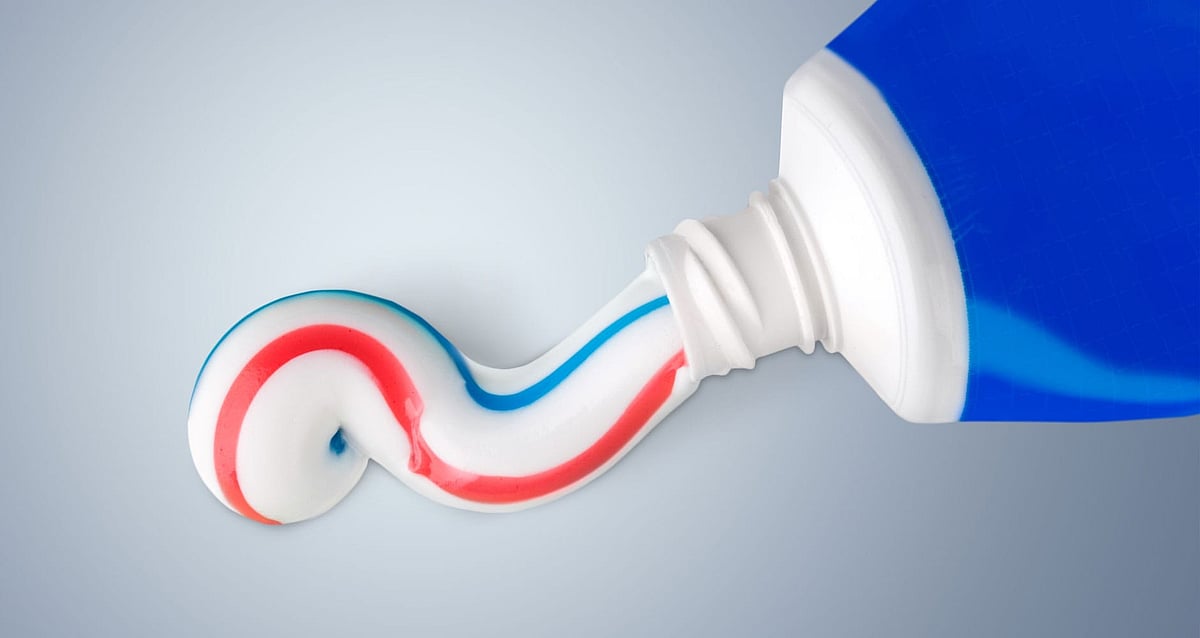
A recent study revealed the presence of microplastics in the majority of toothpastes available in the Bangladeshi market, raising concerns about daily oral hygiene practices. The Environmental and Social Development Organization (ESDO) tested 34 toothpaste samples from 19 different brands. Their research detected microplastics in 26 of these samples, approximately 76.5%, including some marketed for children. Microplastics are plastic particles smaller than five millimeters, often invisible to the naked eye, and can be formed from larger plastic degradation or manufactured intentionally for use in products. Experts suggest that in some toothpastes, synthetic polymers might be used, and historically, small plastic particles were included to enhance the cleaning or polishing sensation. The Bangladesh Standards and Testing Institution (BSTI) also noted the possibility of such materials being used to increase product weight or density at a lower cost, though further analysis is needed to determine the specific purpose in each brand. While the findings are concerning, they are not cause for panic, as many companies are phasing out these ingredients, and their use is increasingly limited or banned in various countries. Although a small amount of toothpaste containing microplastics can be ingested accidentally during brushing, especially by children, there is currently no evidence of significant absorption through healthy gums. Ongoing research is investigating the extent of microplastic entry into the human body via toothpaste and its potential health impacts. International studies have indicated possible links between microplastic exposure and risks to the respiratory, digestive, immune, cardiovascular, and nervous systems, as well as reproductive health, though more research is required for confirmation. Potential health risks being studied include inflammation, oxidative stress, and alterations in gut microbiota, with long-term effects yet to be definitively proven. Consumers are advised to check ingredient lists for unnecessary plastic particles or beads and to consider fluoride content, abrasives like hydrated silica, and the presence of Sodium Lauryl Sulfate (SLS) for those prone to mouth ulcers. The ESDO recommends establishing national standards, mandatory testing methods, and clear labeling policies for toothpastes containing microplastics, while BSTI is considering incorporating microplastic-related issues into national standards. If microplastics are reliably confirmed in a product, opting for microplastic-free alternatives is advisable, based on credible test results and regulatory information rather than social media claims.
The discovery of microplastics in widely used consumer products like toothpaste highlights a systemic challenge in material sourcing and product regulation. While the immediate health risks from incidental ingestion may be low, the pervasive presence of microplastics across various product categories points to broader environmental contamination and potential long-term human exposure pathways. Regulatory bodies face the dual task of setting clear national standards for microplastic content and implementing robust testing and labeling mechanisms to empower informed consumer choices. The industry's incentive structure may drive the use of cost-effective additives, necessitating a balanced approach that prioritizes public health and environmental sustainability alongside product efficacy and affordability. Future innovations in oral care ingredients will likely focus on biodegradable or naturally derived alternatives to mitigate these emerging concerns.
AI-generated to prompt reflection — not editorial opinion, not advice, not a statement of fact. How this works.