Microplastics Found in Most Toothpastes Sold in Bangladesh; Natural Alternatives Gaining Attention
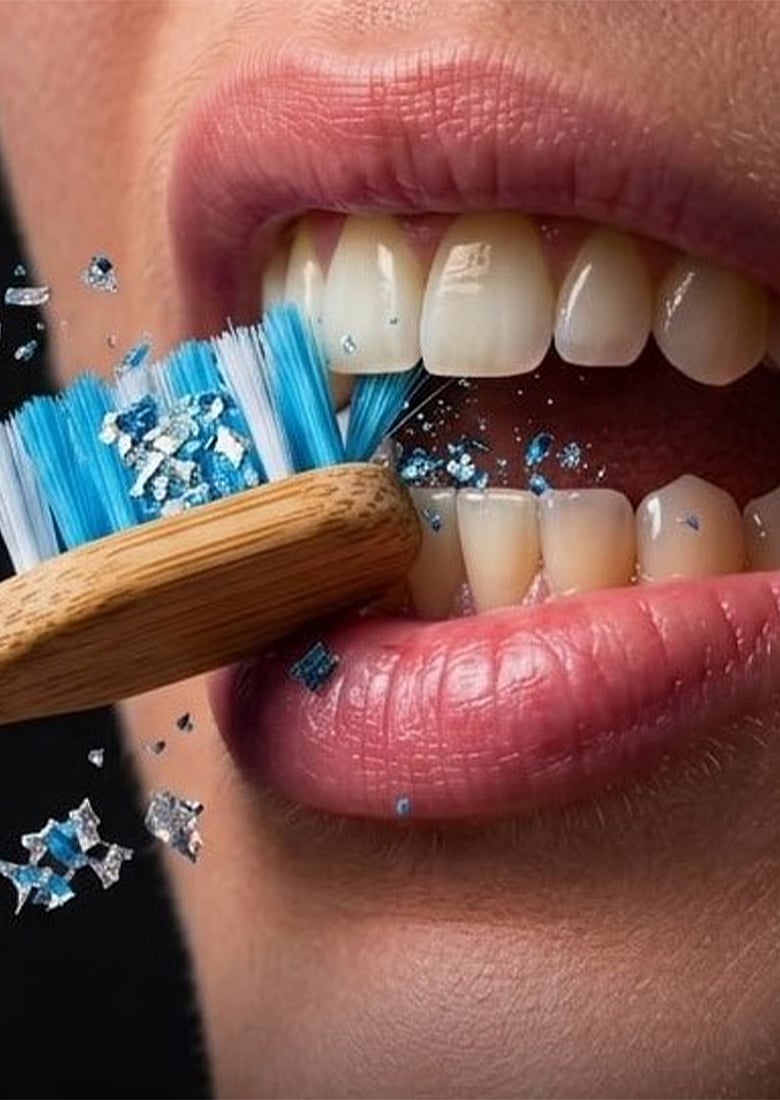
A recent study conducted in Bangladesh has revealed the alarming presence of harmful microplastics in a significant majority of toothpastes available on the market. Out of 34 brands tested, a staggering 26 were found to contain these microscopic plastic particles. This discovery has raised public concern regarding the potential health implications of using such products for daily oral hygiene. Consequently, there is a growing interest among consumers in exploring natural methods for cleaning their teeth. People are actively seeking information about the benefits and drawbacks of various traditional and natural oral care practices as alternatives to conventional toothpaste. This shift in consumer interest highlights a broader awareness of environmental and health issues associated with manufactured goods.
The widespread detection of microplastics in consumer products like toothpaste in Bangladesh underscores a global challenge in regulating plastic pollution. This situation prompts an examination of manufacturing supply chains and quality control processes. The public's turn towards natural alternatives suggests a demand for greater transparency and sustainability from corporations. Future market dynamics may favor companies that can demonstrate verifiable eco-friendly practices and ingredient sourcing, potentially leading to innovation in biodegradable oral care solutions. This event also highlights the need for robust national and international standards for product safety and environmental impact assessment.
AI-generated to prompt reflection — not editorial opinion, not advice, not a statement of fact. How this works.