Microplastics May Cross Placenta, Affecting Hormone Production
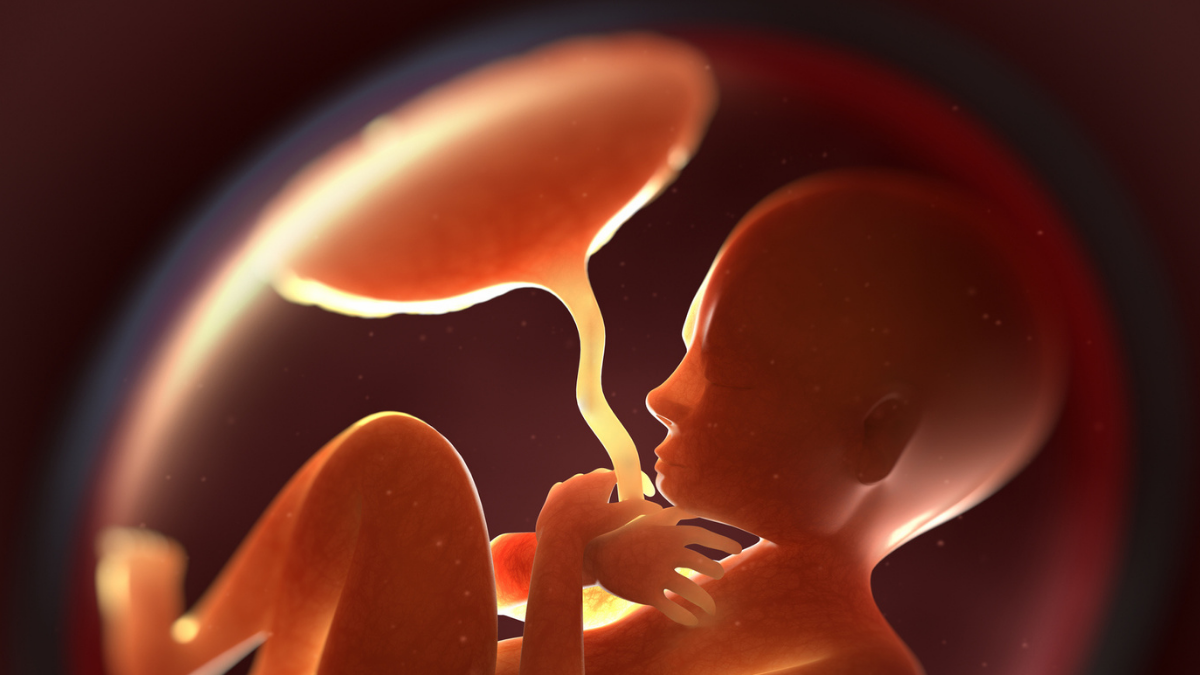
New research suggests that microplastics are capable of crossing the placental barrier in humans. This discovery raises significant concerns about the potential impact of these tiny plastic particles on fetal development. The study indicates that once microplastics enter the placenta, they may interfere with crucial hormonal processes. These hormones are vital for regulating a wide range of bodily functions, including growth, metabolism, and reproduction. The presence of microplastics could therefore lead to developmental abnormalities or long-term health issues for the child. Further investigation is needed to fully understand the extent of this contamination and its specific effects. Scientists are urging for more research to determine the full implications for maternal and infant health. This evidence underscores the pervasive nature of plastic pollution and its potential to affect even the most vulnerable stages of life. The findings highlight the urgent need for strategies to reduce microplastic exposure.
The potential for microplastics to breach the placental barrier and disrupt hormonal signaling represents a significant public health concern, particularly given the ubiquitously of plastic in the environment. This finding prompts a re-evaluation of current environmental regulations and waste management practices, as the long-term consequences for developmental health and reproductive outcomes remain largely unknown. Future research should focus on dose-response relationships and the specific mechanisms by which microplastics exert their effects, informing policy decisions aimed at mitigating exposure risks for pregnant individuals and their offspring. The economic and societal costs associated with potential future health burdens warrant proactive investment in sustainable material alternatives and pollution control.
AI-generated to prompt reflection — not editorial opinion, not advice, not a statement of fact. How this works.