Microplastics Released from Popular Tea Bags Despite Known Dangers
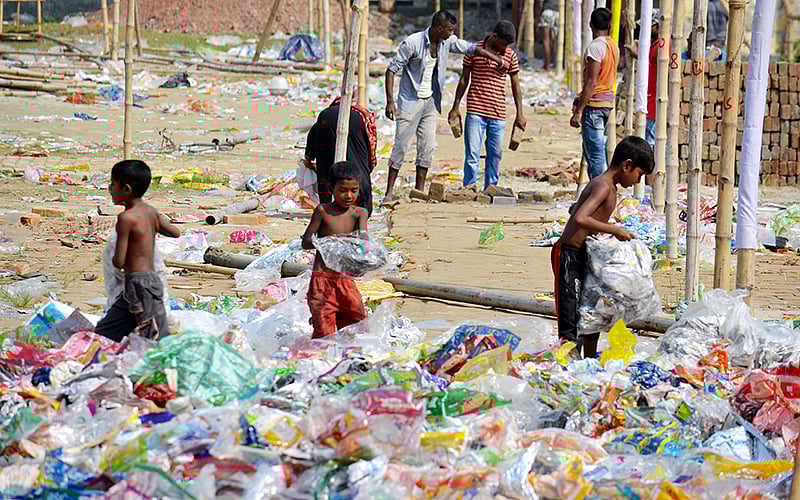
Despite widespread awareness of the dangers posed by plastics and polyethene, their use continues unabated in Bangladesh. Small tea bags made from plastic and polyethene are particularly popular, found everywhere from village stalls to city sidewalks and tea shops. Research investigating these tea bags has revealed a significant issue: when a plastic-based tea bag is immersed in hot water, it releases a substantial quantity of microplastics and nanoplastics into the beverage. This finding highlights a critical environmental and health concern, as these tiny plastic particles can enter the human body through consumption. The continued widespread use of these products, even with knowledge of their harmful effects, points to a complex challenge in waste management and public health awareness.
The widespread use of plastic tea bags, despite scientific evidence of microplastic and nanoplastic release into hot beverages, underscores a persistent global challenge. This situation reflects a tension between convenience and public health, driven by factors such as low cost, established supply chains, and potentially insufficient public awareness campaigns or enforcement of regulations. The long-term health implications of ingesting microplastics are still under investigation, but the potential for accumulation in the body warrants careful consideration. Future policy might focus on incentivizing the development and adoption of biodegradable alternatives, alongside robust public education initiatives to shift consumer behavior and address the systemic reliance on single-use plastics.
AI-generated to prompt reflection — not editorial opinion, not advice, not a statement of fact. How this works.