Microsoft CEO Satya Nadella Warns Businesses About Proprietary AI Models
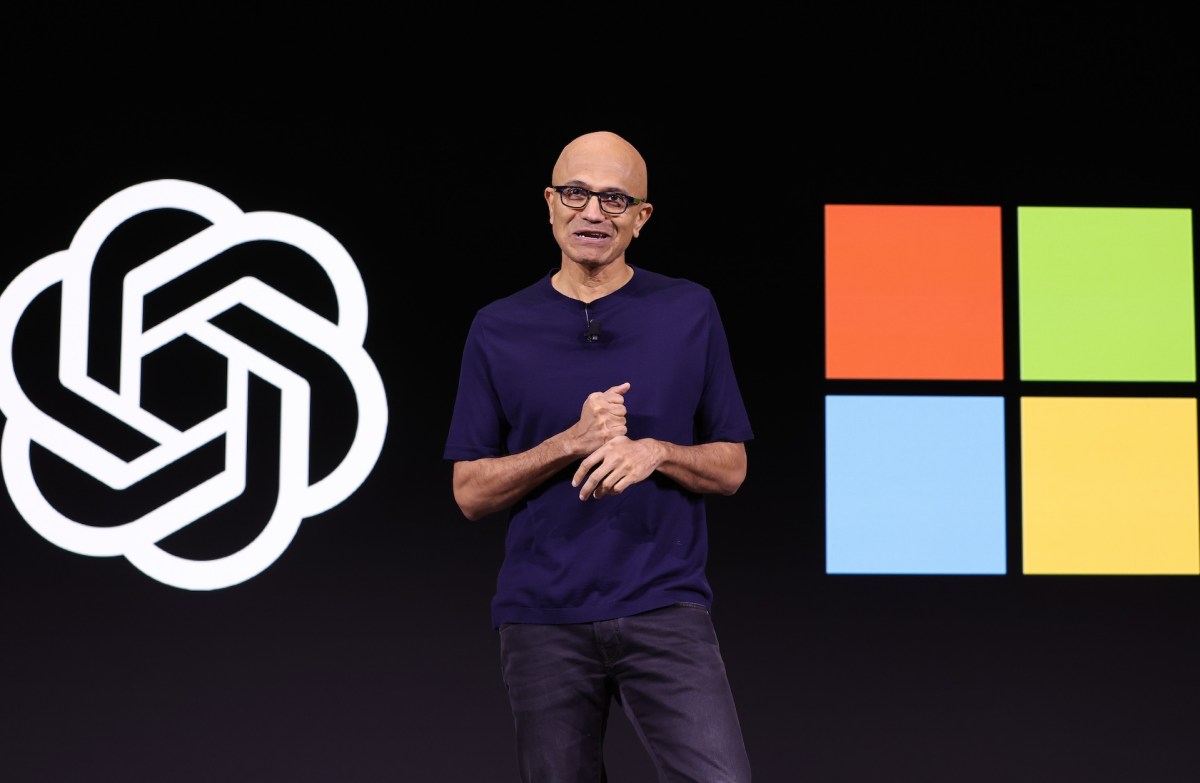
Microsoft CEO Satya Nadella issued a stark warning to businesses on Monday regarding the use of proprietary artificial intelligence models. In a blog post, Nadella specifically cautioned enterprises against relying on closed-source AI systems developed by companies such as Anthropic and OpenAI. The warning suggests a potential shift in Microsoft's strategy or a broader concern about the long-term implications of these powerful, yet restricted, AI technologies. Businesses are advised to carefully consider the risks associated with vendor lock-in and the potential limitations imposed by proprietary AI solutions. Nadella's statement highlights the growing debate around AI accessibility, transparency, and the concentration of power within a few major AI developers. The implications for innovation and competition in the AI landscape are significant, as companies must now weigh the benefits of cutting-edge proprietary models against the strategic advantages of more open or customizable AI frameworks. This advisory from a key industry leader underscores the evolving challenges businesses face in navigating the rapidly advancing field of artificial intelligence.
Satya Nadella's caution regarding proprietary AI models signals a critical juncture for enterprise AI adoption. The warning prompts a re-evaluation of strategic dependencies on closed-source systems, potentially encouraging a more diversified approach to AI sourcing. Businesses may need to balance the immediate capabilities of leading proprietary models against the long-term risks of vendor lock-in and limited customization. This dynamic could foster greater demand for open-source AI alternatives and hybrid strategies, promoting a more competitive and resilient AI ecosystem. As AI continues its integration into core business functions, understanding these trade-offs is paramount for sustainable growth and innovation in the coming decade.
AI-generated to prompt reflection — not editorial opinion, not advice, not a statement of fact. How this works.