Microsoft Data Center Consumes 1% of Netherlands' Electricity
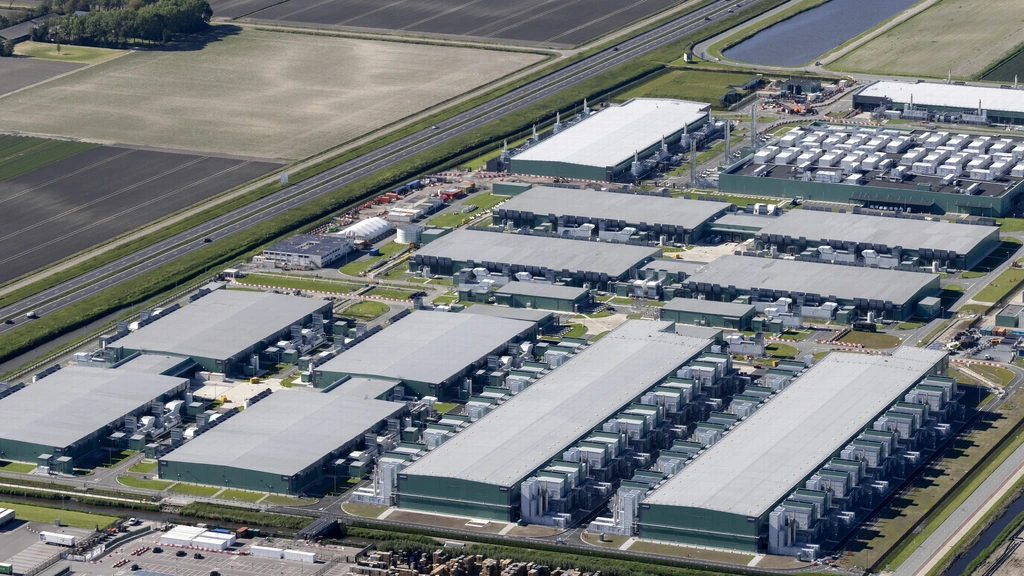
A Microsoft data center located in North Holland is responsible for approximately 1% of the Netherlands' total electricity consumption. This information was revealed by data released by the Netherlands Enterprise Agency (RVO), marking the first time specific consumption figures for large data centers have been made public. The Microsoft facility near Middenmeer used 1.17 terawatt-hours (TWh) of electricity last year. For context, the Netherlands' total electricity consumption in the same period was over 112 TWh, according to preliminary figures from Statistics Netherlands (CBS). While Google also operates two large data centers in the Netherlands, one near Microsoft's facility and another in Eemshaven, Groningen, the company has declined to disclose their energy usage. Google cites competitive sensitivity, stating that individual data center consumption could reveal details about their operational setup and utilization. The significant energy demands of data centers are a growing concern, particularly as the national power grid faces strain in many regions. This has led to a moratorium on the construction of large data centers in several areas, though smaller facilities continue to be developed. Earlier data from 2024 indicated that a group of around 45 data centers collectively accounted for 4.2% of Dutch electricity use, equivalent to the consumption of 1.9 million homes, though these figures did not identify specific facilities.
This disclosure highlights the substantial and concentrated energy footprint of hyperscale data centers within national energy grids. The 1% consumption by a single Microsoft facility underscores the growing challenge of balancing digital infrastructure expansion with energy sustainability and grid capacity. As data demands escalate, the tension between technological advancement and resource management will intensify. Future energy policy and infrastructure planning must proactively address the needs of these critical digital hubs while ensuring grid stability and promoting renewable energy integration to mitigate environmental impact and avoid localized energy crises. The competitive sensitivity cited by Google suggests a broader industry trend of opaque operational data, which complicates public and regulatory oversight concerning environmental and energy commitments.
AI-generated to prompt reflection — not editorial opinion, not advice, not a statement of fact. How this works.