Microsoft's Bid to Improve Windows 11 Performance on Lower-End PCs
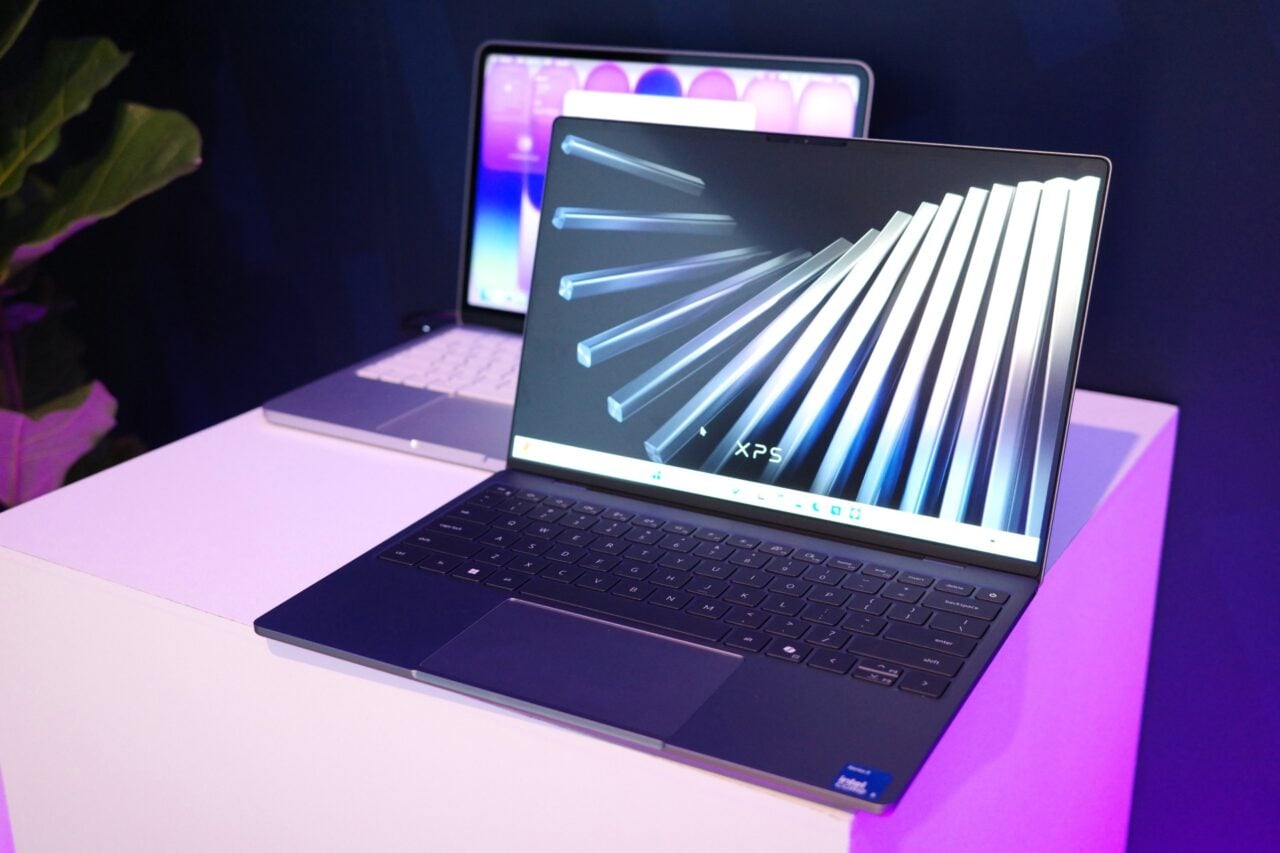
Microsoft is reportedly exploring ways to make Windows 11 run more efficiently on less powerful personal computers. This initiative comes in response to widespread user complaints about the operating system's performance on older or budget-friendly hardware. The company is said to be investigating optimizations that could reduce the system's resource demands, potentially alleviating the "RAM apocalypse" that has made sufficient memory a prerequisite for smooth operation. While the term 'cheap PCs' is used, it acknowledges that even entry-level laptops today represent a significant investment. The success of these efforts could make Windows 11 more accessible to a broader range of users, including those who may not be able to afford the latest high-spec machines. This move could also extend the lifespan of existing hardware, offering a more sustainable computing experience. The focus on optimization suggests a potential shift in Microsoft's strategy, prioritizing broader compatibility and user experience over demanding the newest hardware.
Microsoft's efforts to enhance Windows 11 performance on lower-spec hardware address a critical tension between evolving software demands and the economic realities faced by consumers. By optimizing resource utilization, Microsoft could mitigate the market pressure for frequent hardware upgrades, potentially fostering greater device longevity and reducing electronic waste. This strategic pivot could also broaden the addressable market for Windows 11, making it more competitive in emerging economies and among budget-conscious demographics. The long-term implications involve balancing the introduction of new features with the imperative of maintaining backward compatibility and performance across a diverse hardware ecosystem, a challenge that will likely intensify with future AI-driven operating system advancements.
AI-generated to prompt reflection — not editorial opinion, not advice, not a statement of fact. How this works.
