Microsoft's Digital Crimes Unit: How the Tech Giant Collaborates with Global Law Enforcement
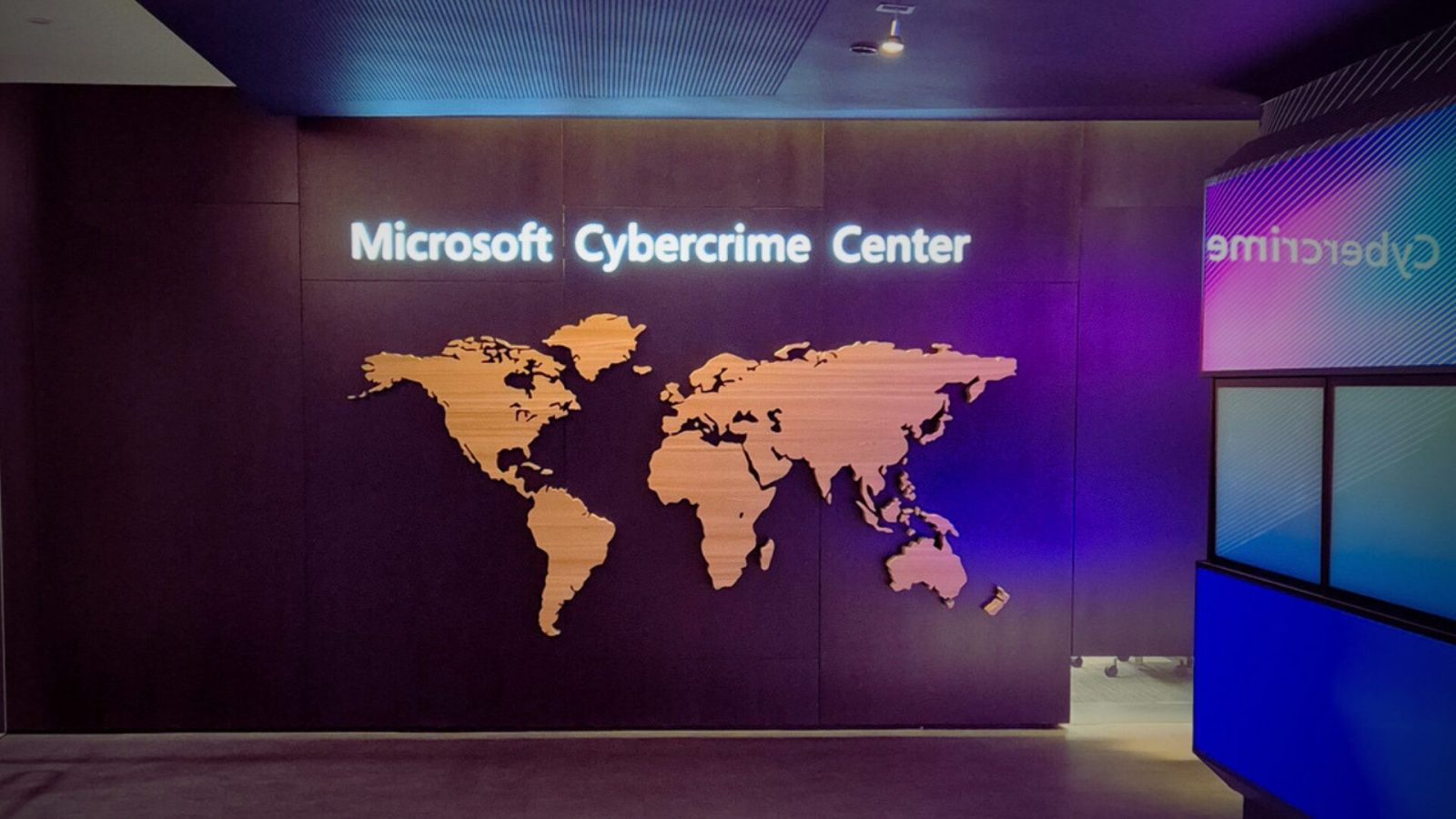
Microsoft's Digital Crimes Unit (DCU) plays a crucial role in dismantling cybercriminal infrastructures through extensive partnerships with global authorities. Steven Masada, who leads the DCU, recently shed light on the intricate workings of these public-private collaborations. These operations often rely on the technological expertise and resources of major IT companies like Microsoft to effectively combat cyber threats. The DCU's work involves a complex network of international cooperation, enabling joint efforts against sophisticated criminal networks. Masada's insights highlight the essential nature of such partnerships in maintaining digital security. The unit's focus is on disrupting the operations of cybercriminals, thereby protecting individuals and organizations worldwide. This collaboration allows for a more comprehensive approach to tackling cybercrime, leveraging both governmental authority and private sector innovation. The effectiveness of these operations underscores the growing importance of public-private alliances in the digital age.
Microsoft's collaboration with global law enforcement, as exemplified by its Digital Crimes Unit, highlights the evolving landscape of cybersecurity. The reliance on private sector partnerships for public safety initiatives demonstrates a shift in how state actors address complex, transnational threats. This model leverages private entities' technical capabilities and global reach, potentially accelerating the disruption of cybercriminal networks. However, it also raises questions about data privacy, jurisdictional challenges, and the balance of power between governments and large technology corporations. The long-term implications for digital sovereignty and the potential for overreach warrant careful consideration as these partnerships become more entrenched.
AI-generated to prompt reflection — not editorial opinion, not advice, not a statement of fact. How this works.