Microsoft to Optimize Windows 11 for 8GB RAM Amid Memory Shortages
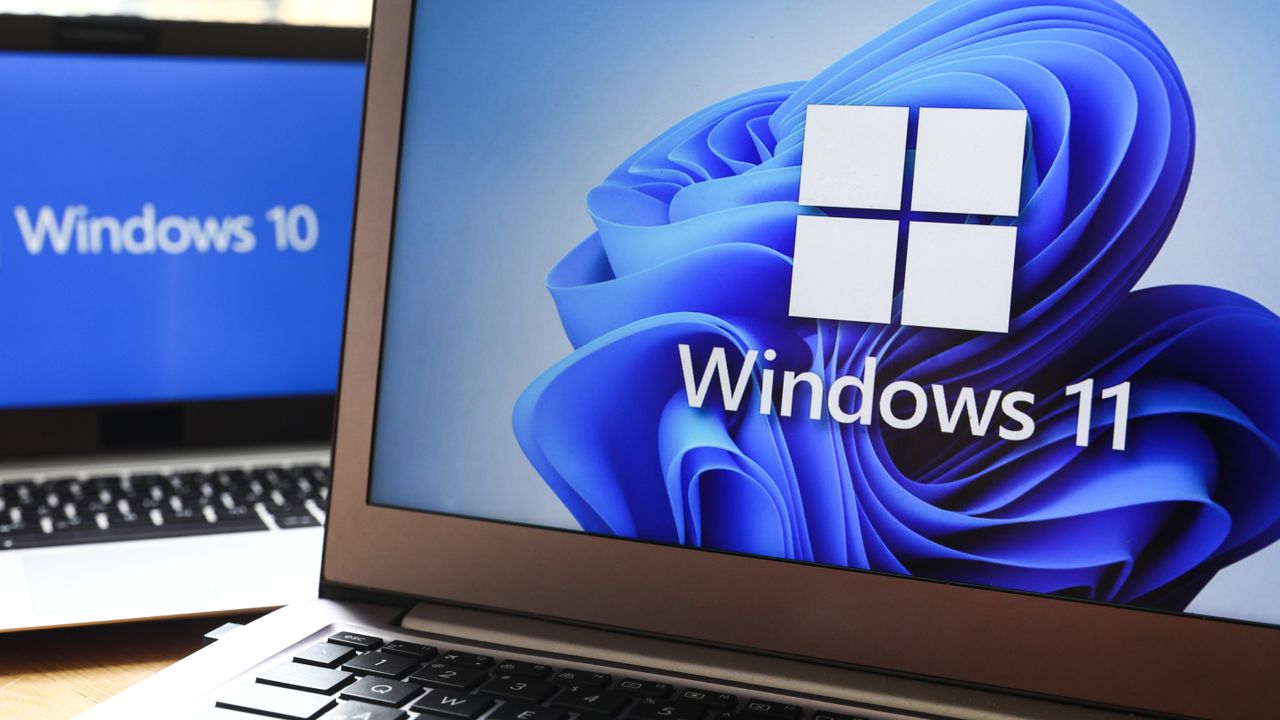
Microsoft is reportedly working to improve Windows 11 performance on devices with only 8GB of RAM. This initiative comes as a global memory chip shortage and a renewed demand for 8GB RAM laptops are making these configurations more common. Officially, Windows 11 requires a minimum of 4GB of RAM, but most users and PC builders recognize that 16GB is practically necessary for a fluid user experience. The current hardware landscape suggests that Microsoft is responding to market realities by optimizing its operating system to run more efficiently with less memory. These optimizations aim to reduce the overall memory footprint of the OS, ensuring that Windows 11 remains usable and responsive on a wider range of hardware. The company's commitment indicates a strategic shift to accommodate a broader spectrum of user hardware, potentially impacting future software development and hardware requirements.
The reported optimization of Windows 11 for 8GB RAM configurations highlights the interplay between technological advancement and market economics. As global supply chain constraints, such as memory chip shortages, impact hardware availability and pricing, software developers face pressure to adapt their products. This strategic adjustment by Microsoft reflects a pragmatic approach to maintaining market share and user accessibility in the face of evolving hardware realities. It also signals a potential long-term trend where operating systems may need to become more adaptable to a wider range of hardware specifications, driven by both cost-consciousness and the increasing ubiquity of computing devices. The challenge lies in balancing performance optimizations with the ongoing evolution of software demands, ensuring that Windows 11 remains a robust platform for future applications.
AI-generated to prompt reflection — not editorial opinion, not advice, not a statement of fact. How this works.