Middle East Conflict Could Slash Global Growth to 1.3% by 2026: World Bank
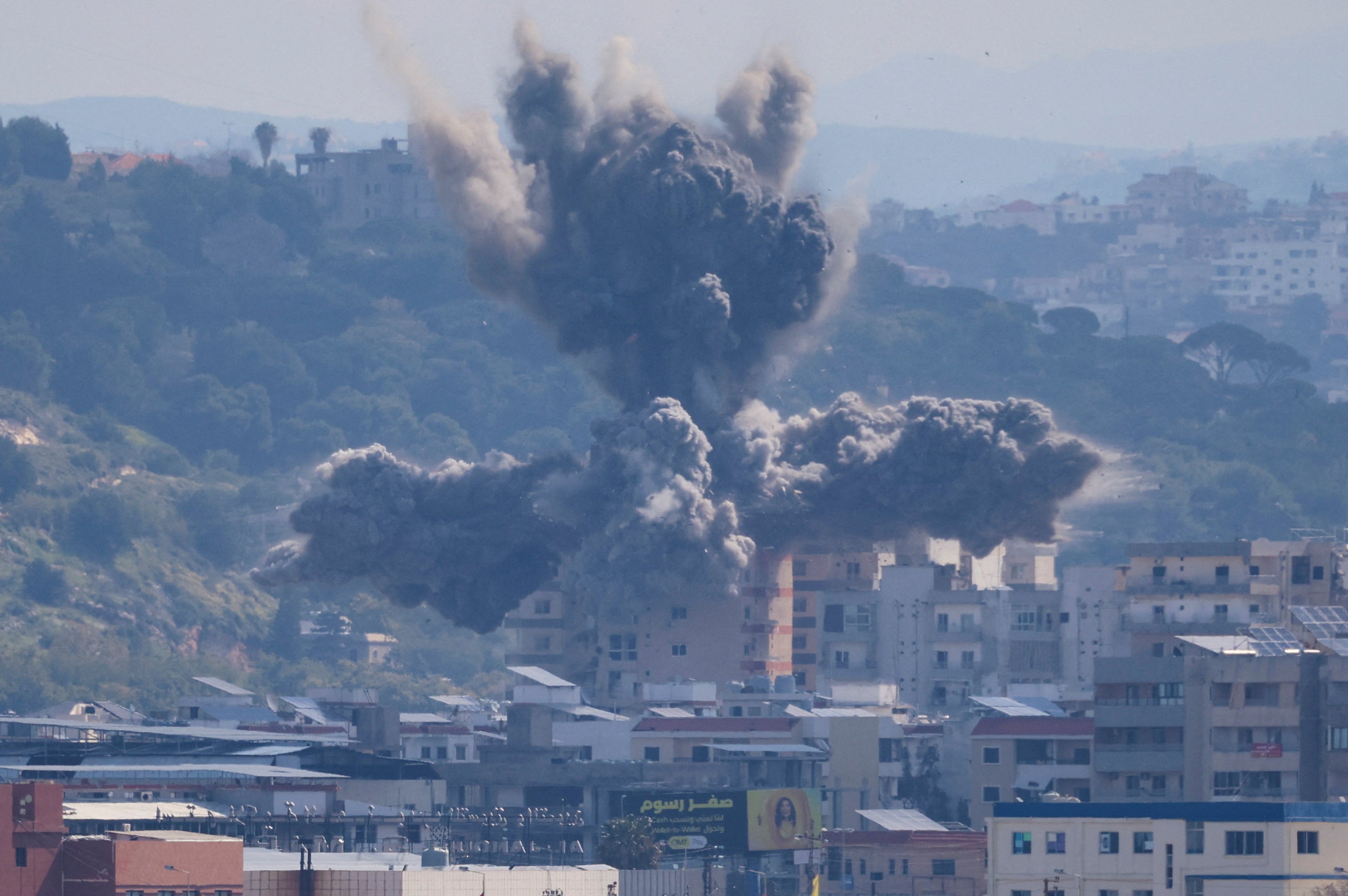
Escalating hostilities between the United States and Iran could reignite inflation, increase interest rates, and reduce global economic growth to as low as 1.3% in 2026, down from 2.9% last year, according to Indermit Gill, the World Bank's chief economist. Gill revealed that the bank has developed three economic scenarios for its June forecast, acknowledging the significant uncertainty surrounding the Middle East conflict. The most severe scenario, predicting hostilities lasting six months or more, is nearing realization, which could push global inflation to 4.5%. Prolonged conflicts and damage to regional oil infrastructure might also exacerbate food insecurity by disrupting shipments of fertilizers, helium, and sulfur, creating a domino effect of higher interest rates. These statements mark the first high-level World Bank assessment since the recent intensification of tensions between Washington and Tehran. The conflict has seen U.S. forces bomb targets in Iran and Tehran retaliate against U.S. facilities in Bahrain, Kuwait, and Jordan, while maritime traffic in the Strait of Hormuz remains disrupted. Yemen's Houthi rebels, allied with Iran, have also announced a naval blockade of Saudi shipments through the Bab el-Mandeb strait. Poor countries still recovering from the COVID-19 pandemic could face heightened food insecurity, while heavily indebted nations are at risk from rising financing costs, diverting funds from essential services like education and healthcare. Gill noted that highly indebted countries could face debt repayment difficulties within months if inflation accelerates, with some already seeking extended loans from the IMF and Pakistan requesting a $10 billion currency stabilization line from the U.S. The World Bank's June forecast indicated that 40% of low- and middle-income countries were already over-indebted or at high risk, a figure that could rapidly increase with rising interest rates. Gill suggested that some nations might require case-by-case debt relief. He also pointed out that major economies like the U.S., China, and India are relatively insulated due to their resilience factors, while developing countries face substantially greater risks.
The World Bank's projection highlights the systemic fragility of the global economy, particularly its vulnerability to geopolitical shocks and their cascading financial consequences. The analysis underscores how regional conflicts, even if geographically contained, can trigger global inflation and debt crises, disproportionately impacting lower-income nations. This situation reveals a latent tension between the interconnectedness of global markets and the inherent instability of international relations, suggesting that economic resilience requires not only robust domestic policies but also a concerted effort towards de-escalation and conflict resolution. The projected impact on debt servicing and essential services points to a potential long-term drag on development, necessitating a re-evaluation of global financial architecture and debt relief mechanisms in an increasingly volatile world. The differing resilience of major economies versus developing nations illustrates persistent global economic disparities, which could be exacerbated by future crises.
AI-generated to prompt reflection — not editorial opinion, not advice, not a statement of fact. How this works.