Middle East Conflict Enters Ninth Day Amid Intense Bombardment
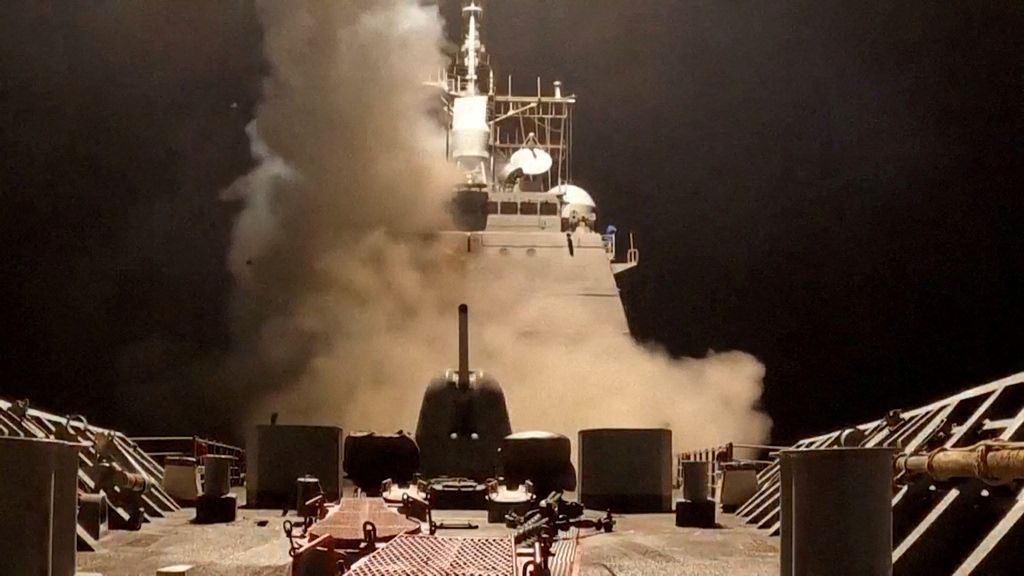
The conflict in the Middle East has entered its ninth day, marked by intense bombardment. The United States has carried out significant strikes, with former President Donald Trump stating, "We hit them hard." In response, Tehran has initiated retaliatory actions in Syria and Kuwait. Powerful explosions were reported in several regions across Iran, indicating a significant escalation of hostilities. The situation remains highly volatile as regional tensions continue to rise. Further details on the specific targets and the extent of the damage are still emerging. The ongoing military actions raise concerns about the broader implications for regional stability and international security. Both sides appear committed to escalating their responses, suggesting a prolonged period of conflict.
The escalating military actions in the Middle East, now in their ninth day, highlight a cycle of retribution and counter-retribution. The involvement of major global powers alongside regional actors suggests complex geopolitical motivations, potentially driven by strategic interests in resource control, regional influence, and domestic political considerations. The current trajectory indicates a risk of wider destabilization, impacting global energy markets and international relations. Future developments will likely depend on the strategic calculus of key players, the effectiveness of international diplomatic efforts, and the capacity of involved parties to manage de-escalation. The long-term implications for regional governance and security architectures warrant careful observation.
AI-generated to prompt reflection — not editorial opinion, not advice, not a statement of fact. How this works.