Middle East Conflict Escalates: US and Iran Exchange Attacks
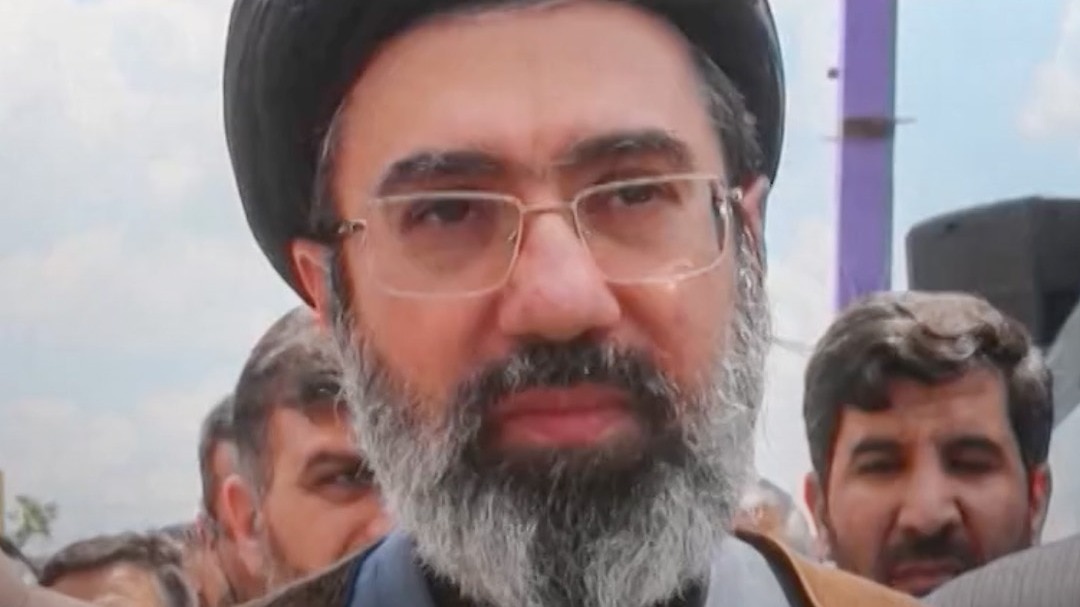
Tensions have sharply risen in the Middle East as Iran and the United States engage in direct military confrontation. Iran launched attacks targeting six U.S. bases, while U.S. forces retaliated by striking approximately 300 locations. In a significant move, Iran has closed the Strait of Hormuz. This action has disrupted global oil supplies, leading to a subsequent increase in oil prices. The conflict signifies a major escalation in the ongoing geopolitical instability within the region.
The exchange of attacks between Iran and the U.S., coupled with the closure of the Strait of Hormuz, represents a critical inflection point in regional stability. This escalation, driven by complex geopolitical factors and potentially by domestic political considerations in both nations, poses substantial risks to global energy markets and international trade routes. The immediate impact on oil prices highlights the interconnectedness of regional security and the global economy. Looking ahead, the challenge for all actors will be to de-escalate tensions through diplomatic channels and to establish robust frameworks that prevent such direct military confrontations, thereby safeguarding vital economic arteries and fostering a more predictable geopolitical environment for the next decade.
AI-generated to prompt reflection — not editorial opinion, not advice, not a statement of fact. How this works.