Middle East Conflicts Signal New Era of Globalized, Interdependent Warfare
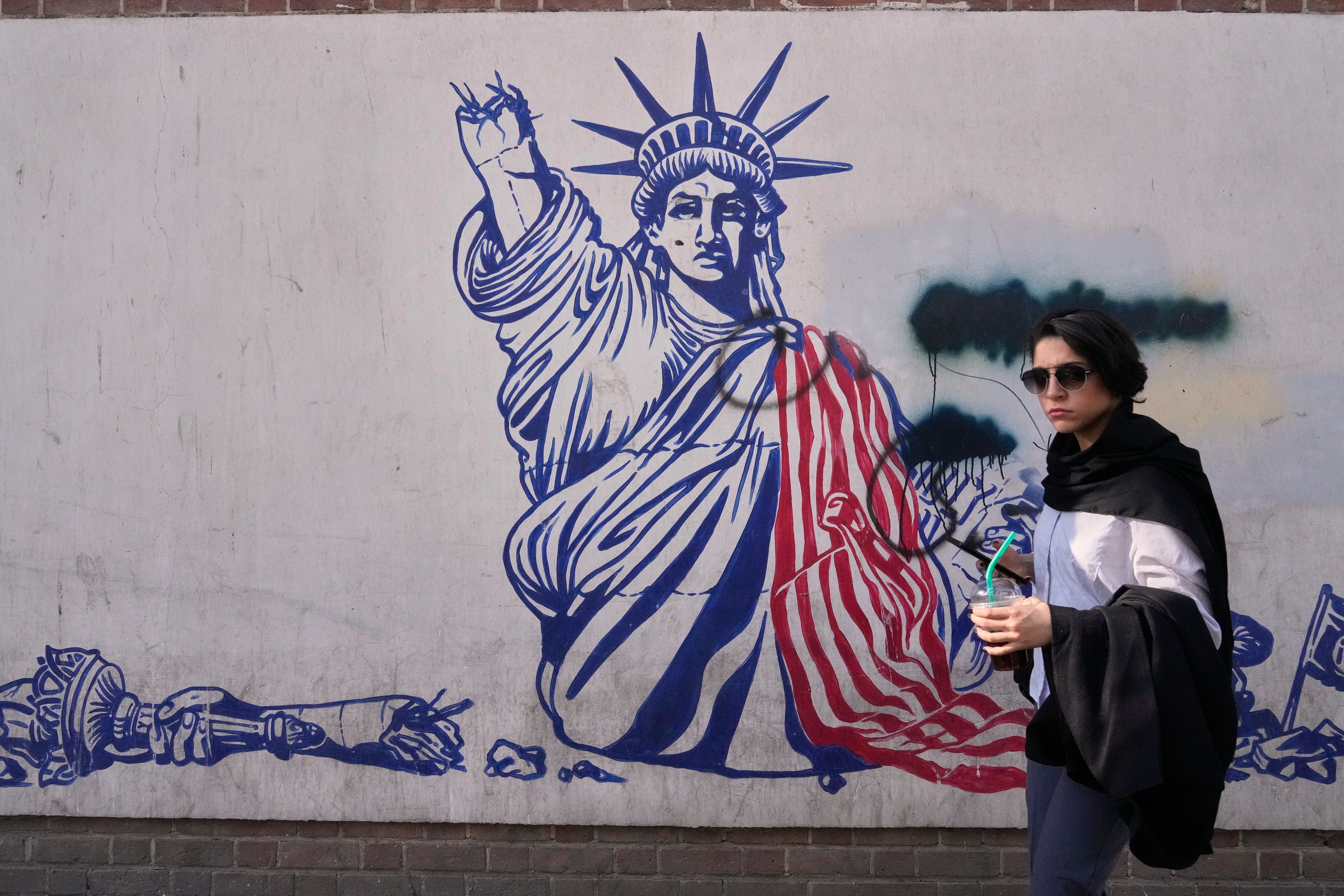
The Middle East is currently embroiled in a new era of conflict, distinct from the Cold War or a potential World War III. This new phase is characterized by rapidly globalizing conflicts deeply intertwined with globalization, often stemming from mismanaged strategies and exacerbated by interdependencies in energy, food, finance, logistics, and the environment. In this context, conflict becomes routine, with ceasefires serving as mere pauses rather than indicators of lasting peace. Therefore, preventive diplomacy is crucial before military actions are undertaken without a clear political strategy for sustainable peace.
The current situation in the Middle East exemplifies this scenario. Beyond the ongoing Israeli-Palestinian conflict, a recent war, initiated on February 28th, highlights the limitations of using military power out of context and the ineffectiveness of regime change as a primary objective. Five months into this war, which aimed to dismantle a terrorist regime, eliminate its nuclear capabilities, and deny Israel's right to exist, the situation has deviated significantly from initial plans. Tehran is now led by a more convinced, radicalized, and resilient faction, while its civilian population appears desensitized to the regime's brutality and external aggression against civilian targets. Regional Gulf states, despite recent development successes, are experiencing vulnerability to Iranian aggression, with conflicts slowly expanding through Iranian proxies in Yemen, Lebanon, and Iraq.
Globally, Iran's actions regarding the Strait of Hormuz, including its closure and subsequent actions by the U.S., reflect strategic unpredictability. This strait, previously open for free navigation, handles 30% of daily oil consumption and 20% of liquefied natural gas, alongside other critical global economic inputs. Consequently, oil prices are fluctuating based on war logic rather than market dynamics, contributing to inflation worldwide. The article suggests a return to negotiations, referencing the 2015 Joint Comprehensive Plan of Action (JCPOA) as a potential guide. The JCPOA, negotiated by major world powers and Iran, addressed uranium enrichment levels, stockpile reduction, and centrifuge numbers, with verification by the IAEA. Although difficult to replicate precisely, the JCPOA's format and mechanics offer valuable lessons on negotiating within international law and UN Charter principles, emphasizing the need for alliances, expertise, discretion, clear objectives, and soft power leadership based on trust and concessions.
The current geopolitical landscape in the Middle East illustrates a complex evolution of conflict, moving beyond traditional state-vs-state or ideological rivalries. The interconnectedness of global systems means that regional instability has immediate and far-reaching economic consequences, particularly in energy markets. This suggests that traditional military solutions may be insufficient, as they fail to address the underlying systemic dependencies and governance issues that fuel protracted conflict. The reliance on coercive power, as noted by the reference to Kissinger, often proves less effective than diplomatic strategies that foster genuine buy-in and long-term stability. Future approaches will likely require a more nuanced understanding of these interdependencies, prioritizing international cooperation and robust diplomatic frameworks, potentially drawing lessons from past agreements like the JCPOA, to navigate the intricate balance between national interests and global security in the coming decade.
AI-generated to prompt reflection — not editorial opinion, not advice, not a statement of fact. How this works.
