Middle East Instability Pushes Oil Prices Up, Affecting Argentina
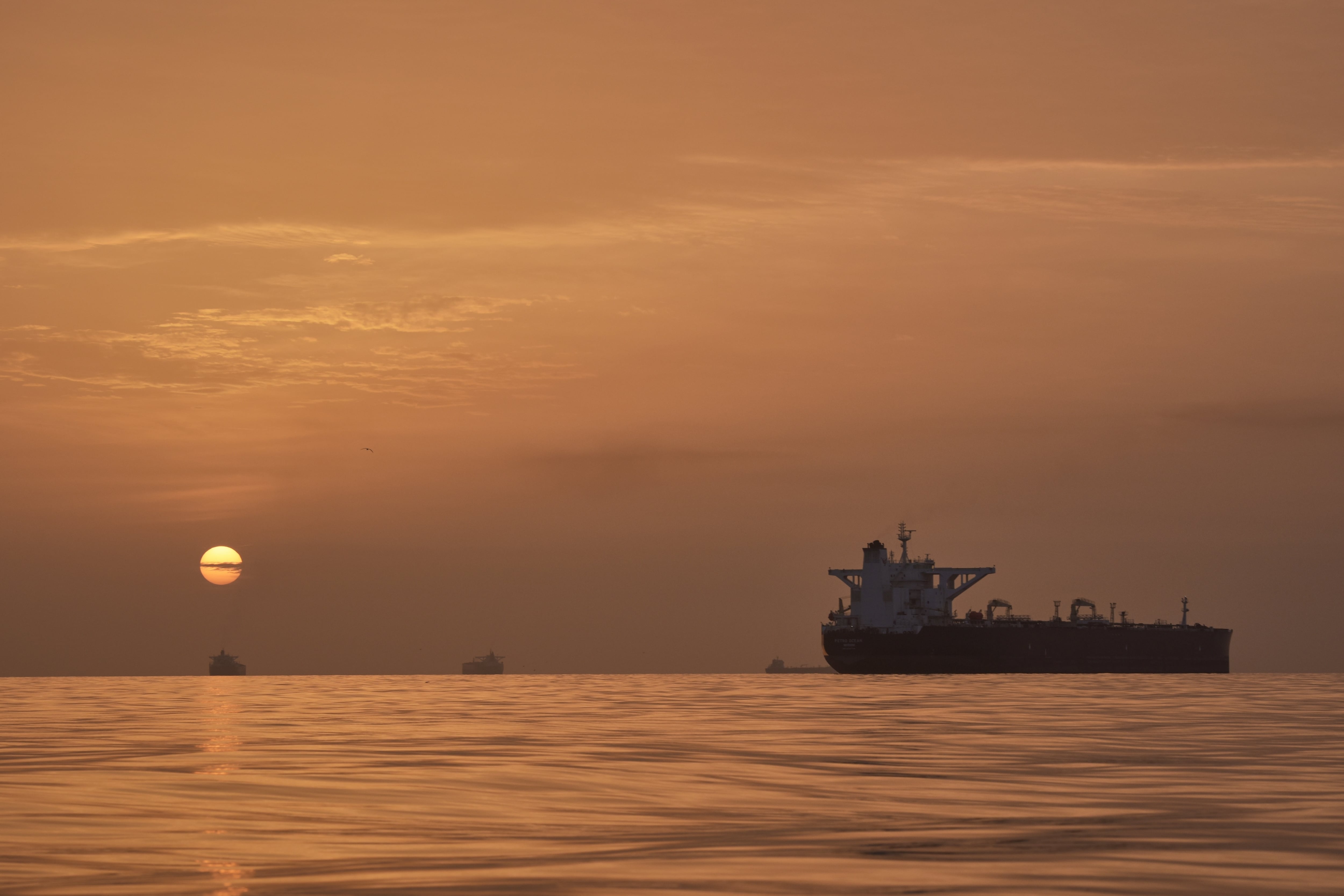
Rising tensions between the United States and Iran are once again putting upward pressure on global oil prices. This instability in the Middle East, a crucial region for oil production, is a significant factor influencing the commodity's market. Specialists are closely monitoring the situation to understand the potential ripple effects on economies worldwide. For Argentina, a country that imports a substantial amount of fuel, higher oil prices can lead to increased energy costs. This could translate into higher inflation, impacting the purchasing power of consumers and the operational costs for businesses. The government may face difficult decisions regarding energy subsidies or the need to adjust fiscal policy to mitigate the economic impact. The volatility in oil markets highlights Argentina's vulnerability to external shocks and the ongoing challenge of managing energy security and economic stability.
Geopolitical events in the Middle East have historically served as a significant driver of global oil price fluctuations. The current escalation in tensions between the U.S. and Iran, as a major oil-producing region, introduces supply-side risks that can quickly translate into higher benchmark prices. For importing nations like Argentina, this presents a dual challenge: managing increased energy import bills which strain foreign exchange reserves, and mitigating the inflationary pressures that result from higher domestic fuel costs. This situation underscores the systemic vulnerability of economies reliant on imported fossil fuels to geopolitical instability and highlights the strategic imperative for diversifying energy sources and enhancing domestic production capabilities to achieve greater energy independence over the next decade.
AI-generated to prompt reflection — not editorial opinion, not advice, not a statement of fact. How this works.