Middle East Lost Its Way Amidst Ongoing Crisis
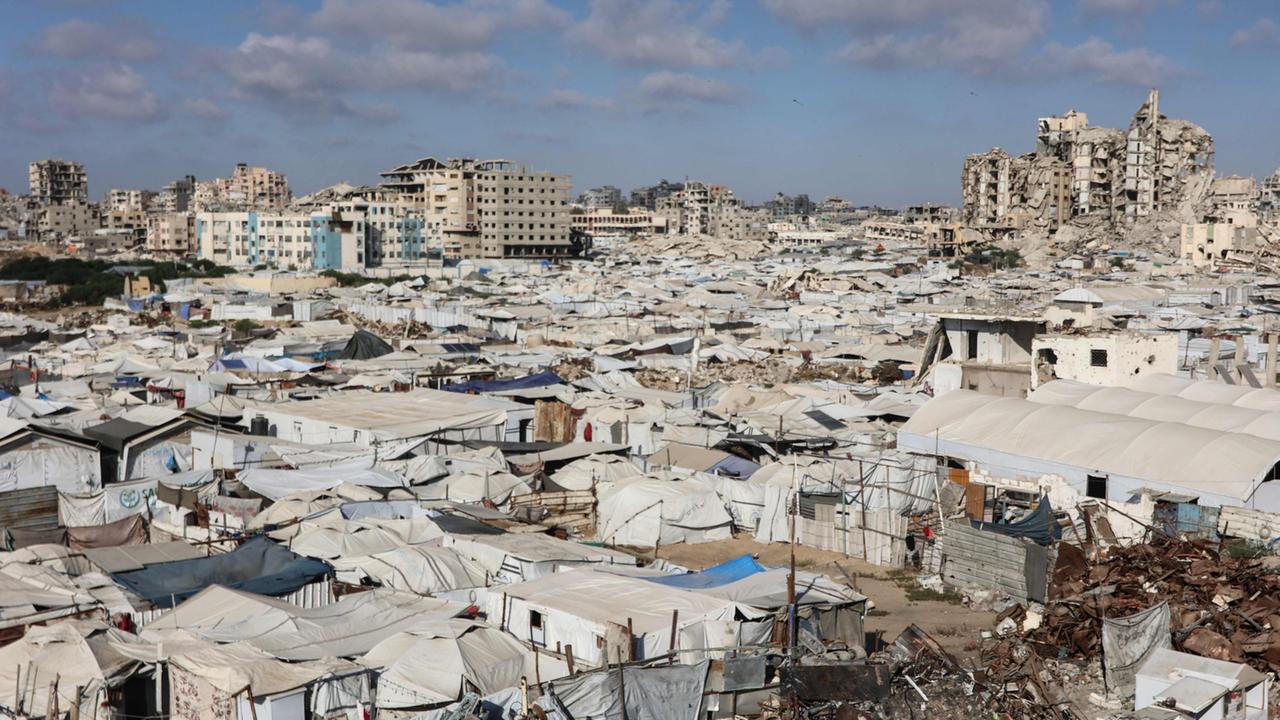
The Middle East has undergone profound and negative changes since the Hamas attack on October 7th, impacting Israel, the Gaza Strip, and the entire region. Julio Segador suggests that the outlook for the future offers little hope, with no end to the crisis currently in sight. The region appears to have lost its directional compass, indicating a prolonged period of instability and uncertainty. The repercussions of the conflict are far-reaching, affecting geopolitical dynamics and the daily lives of millions. Efforts to de-escalate or find a lasting peace solution have thus far proven insufficient. The current trajectory suggests a continued state of crisis rather than a move towards resolution. This situation highlights the complex and deeply entrenched nature of the conflict, posing significant challenges for regional and international actors alike. The lack of a clear path forward underscores the severity of the ongoing crisis.
The ongoing crisis in the Middle East, triggered by the October 7th events, represents a critical juncture with significant implications for regional stability and global security. The current lack of a clear resolution suggests that underlying geopolitical and societal factors remain unaddressed. Future stability will likely depend on comprehensive diplomatic strategies that tackle the root causes of conflict, foster inclusive governance, and promote economic development across affected populations. The international community faces a challenge in navigating complex interests while prioritizing de-escalation and long-term peacebuilding efforts. The next decade may see increased pressure for innovative solutions that move beyond traditional conflict resolution paradigms, potentially involving technological advancements and new models of regional cooperation.
AI-generated to prompt reflection — not editorial opinion, not advice, not a statement of fact. How this works.