Middle East Nations Explore New Pipelines to Bypass Strait of Hormuz
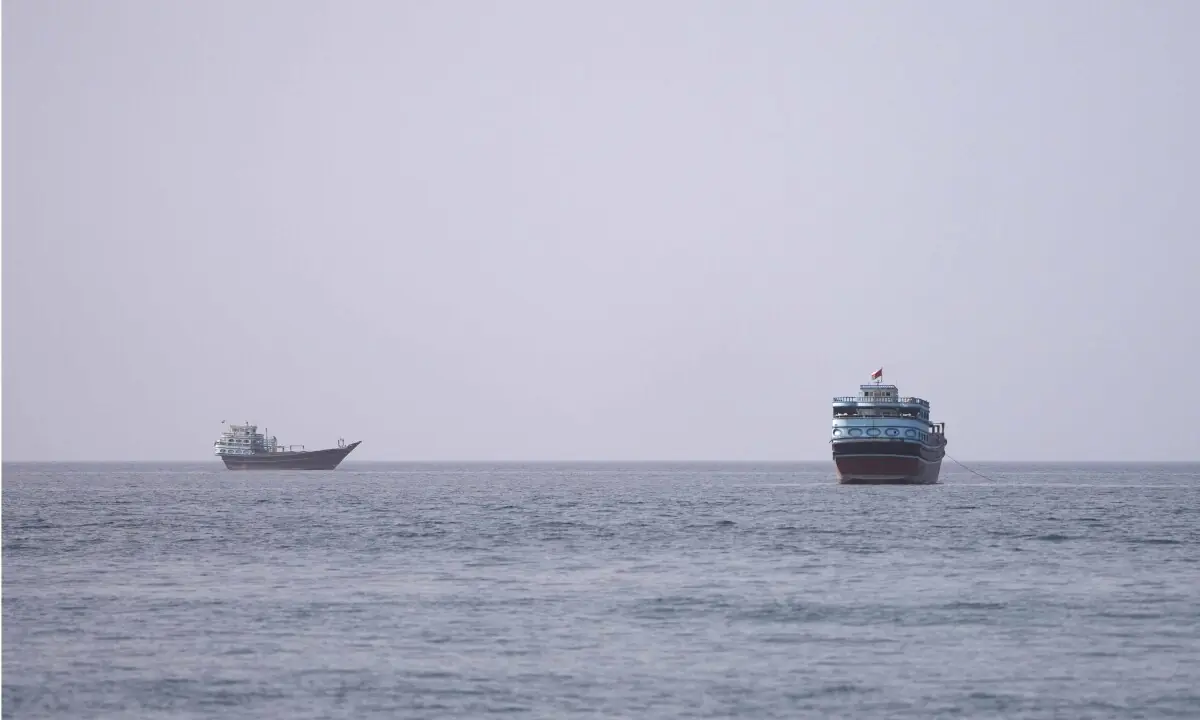
Amidst growing concerns over the security and reliability of oil shipments through the Strait of Hormuz, Middle Eastern countries are actively developing new pipeline projects to circumvent this critical chokepoint. Analysts at Goldman Sachs estimate that seven new pipelines are under discussion, potentially capable of carrying 14 million barrels per day (bpd) once operational by the end of 2028, which would represent about 60% of the oil previously shipped through the strait. Saudi Arabia is considering expanding its East-West pipeline capacity from its current 7 million bpd to 9 million bpd to increase exports bypassing Hormuz. The UAE is accelerating the construction of a new West-East pipeline, slated for completion in 2027, which will double its export capabilities to 3.6 million bpd and is also planning a new port in Fujairah to further reduce reliance on the strait. Iraq, facing disruptions to its exports via the Basra port due to its proximity to Iranian projectiles, is working on two pipeline projects: one to Turkey's Ceyhan port and another, recently agreed upon with Syria, to rebuild the Kirkuk-Baniyas pipeline. Additionally, Iraq has begun construction on a 435-mile Basra-Haditha pipeline designed to carry 2.5 million bpd, connecting to Jordan's port city of Aqaba. Kuwait is also in discussions with Saudi Arabia and the UAE to potentially expand existing pipeline systems to accommodate its exports. Even Iran has constructed its own Hormuz bypass pipeline from Goreh to Jask, though its current throughput remains significantly below its 1 million bpd design capacity due to sanctions and unfinished infrastructure. These extensive pipeline developments, alongside efforts by countries like Guyana, Brazil, and Canada to boost their export capacities, highlight a significant global shift in energy logistics, though the long-term impact will depend on future demand structures and perceived supply security.
The strategic imperative to diversify oil export routes away from the Strait of Hormuz reflects a long-standing geopolitical vulnerability. The current surge in pipeline development, driven by regional instability and potential supply disruptions, underscores the market's adaptation to perceived risks. While these projects aim to enhance energy security and decouple oil markets from chokepoint vulnerabilities, their economic viability and timely completion will be contingent on sustained global demand, technological execution, and evolving international relations. The significant capital investment in fixed infrastructure also raises questions about long-term adaptability in an era of accelerating energy transition and potential demand destruction.
AI-generated to prompt reflection — not editorial opinion, not advice, not a statement of fact. How this works.