Middle East Tensions Escalate with New US Strikes and Iran Tanker Incident
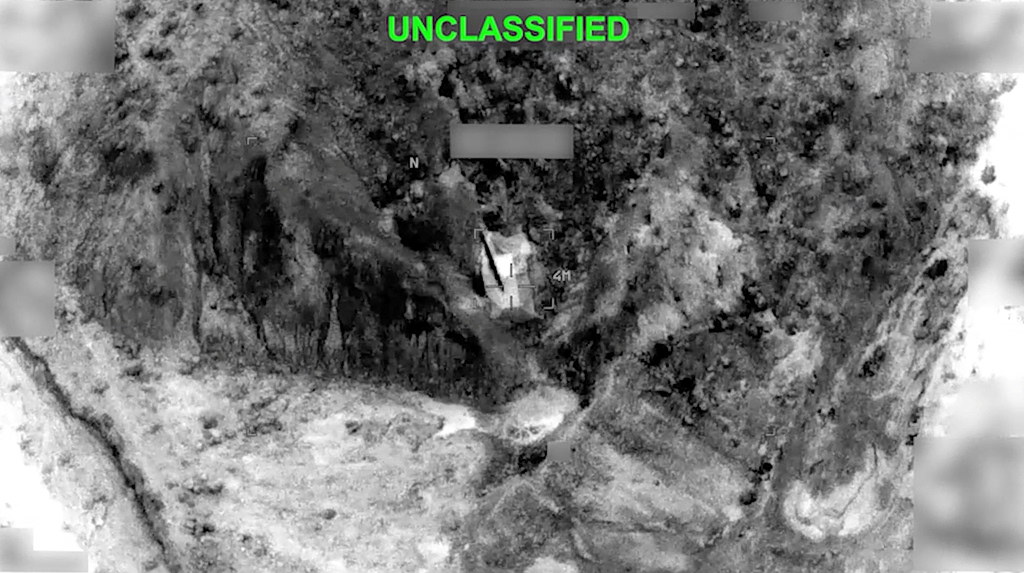
The Middle East experienced a night of intense conflict, marked by new American strikes and an incident involving two tankers reportedly hit by Iran. Strong explosions were reported across various regions in southern Iran, indicating a significant escalation of hostilities. The specific targets and consequences of the American strikes were not detailed, but they appear to be part of a broader pattern of military action in the region. The attack on the two tankers by Iran adds another layer of complexity to the already volatile situation, raising concerns about maritime security and potential wider implications for international shipping lanes. Details surrounding the ownership and cargo of the affected tankers remain unclear. The events underscore the precarious security environment in the Middle East, with ongoing tensions between various state and non-state actors. The reported explosions in southern Iran suggest potential domestic or cross-border military activities. International observers are closely monitoring the situation for further developments and potential diplomatic responses. The escalation raises fears of a wider regional conflict, with significant geopolitical and economic ramifications.
The recent escalation in the Middle East, involving US strikes and an Iranian action against tankers, highlights the persistent geopolitical friction in the region. Such events often stem from complex incentive structures involving national security, regional influence, and responses to perceived provocitions. The potential impact on global energy markets and shipping routes warrants careful consideration, as disruptions can have far-reaching economic consequences. Looking ahead, the interplay between state-level military actions and the broader technological landscape, including advanced surveillance and cyber capabilities, will likely shape future conflict dynamics. The challenge for regional and international actors lies in de-escalating tensions through diplomatic channels while addressing underlying security concerns, aiming to prevent a wider conflagration that could destabilize the global order.
AI-generated to prompt reflection — not editorial opinion, not advice, not a statement of fact. How this works.