Middle East Tensions Rise as Iran and US Exchange Threats
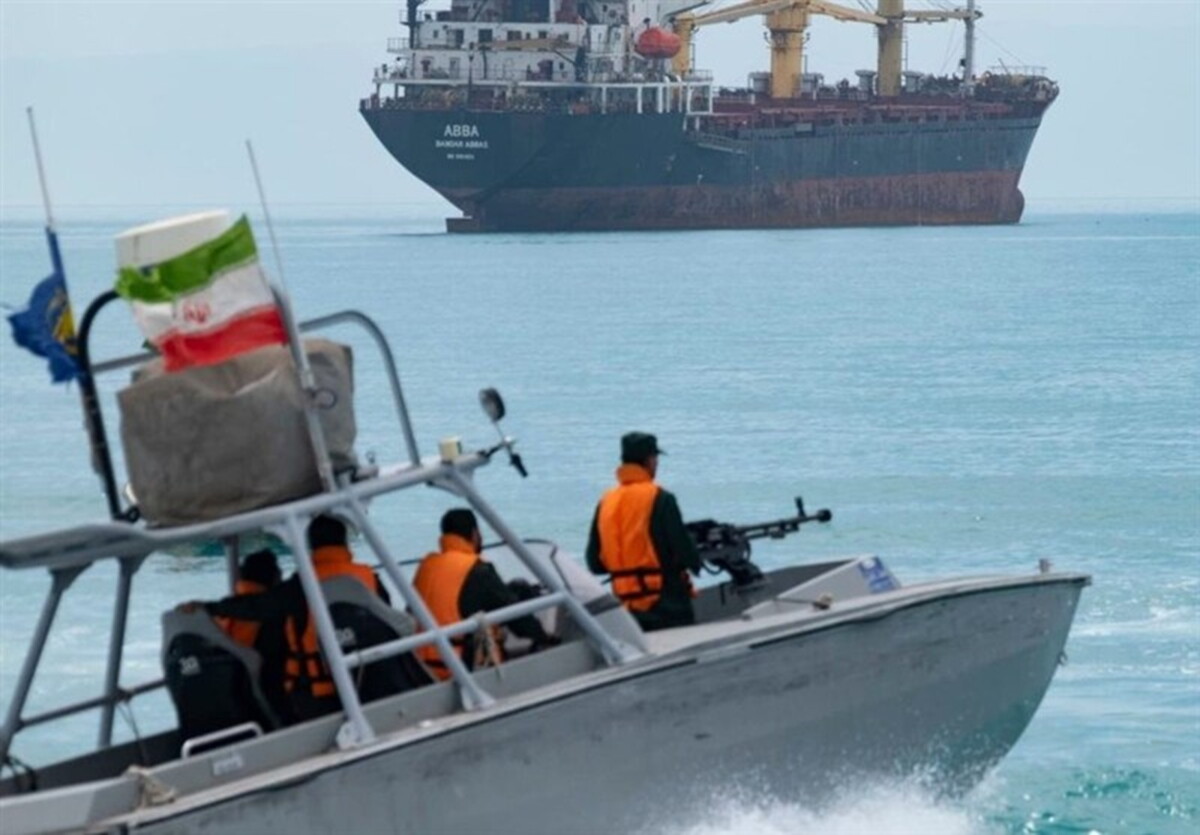
Tensions in the Middle East are escalating with a new wave of attacks targeting Iran, and no signs of a return to dialogue. U.S. President Donald Trump has threatened to bomb power plants and bridges. In response, Iran has stated that it will keep the Strait of Hormuz closed until the United States ceases its attacks. This exchange of threats highlights the volatile situation in the region and the potential for further escalation.
The current geopolitical standoff between the United States and Iran, marked by threats of military action and strategic economic leverage, reflects a complex interplay of national security interests and regional power dynamics. The potential closure of the Strait of Hormuz, a critical global oil transit point, carries significant implications for international energy markets and global economic stability. This situation underscores the challenges of de-escalation in volatile regions, where rhetoric can quickly translate into actions with far-reaching consequences. Future diplomatic efforts will likely need to navigate these entrenched positions while addressing the underlying security concerns of all parties involved.
AI-generated to prompt reflection — not editorial opinion, not advice, not a statement of fact. How this works.