Middle East Tensions Rise: Iran Port Attacked, US Bases Targeted, West Bank Violence
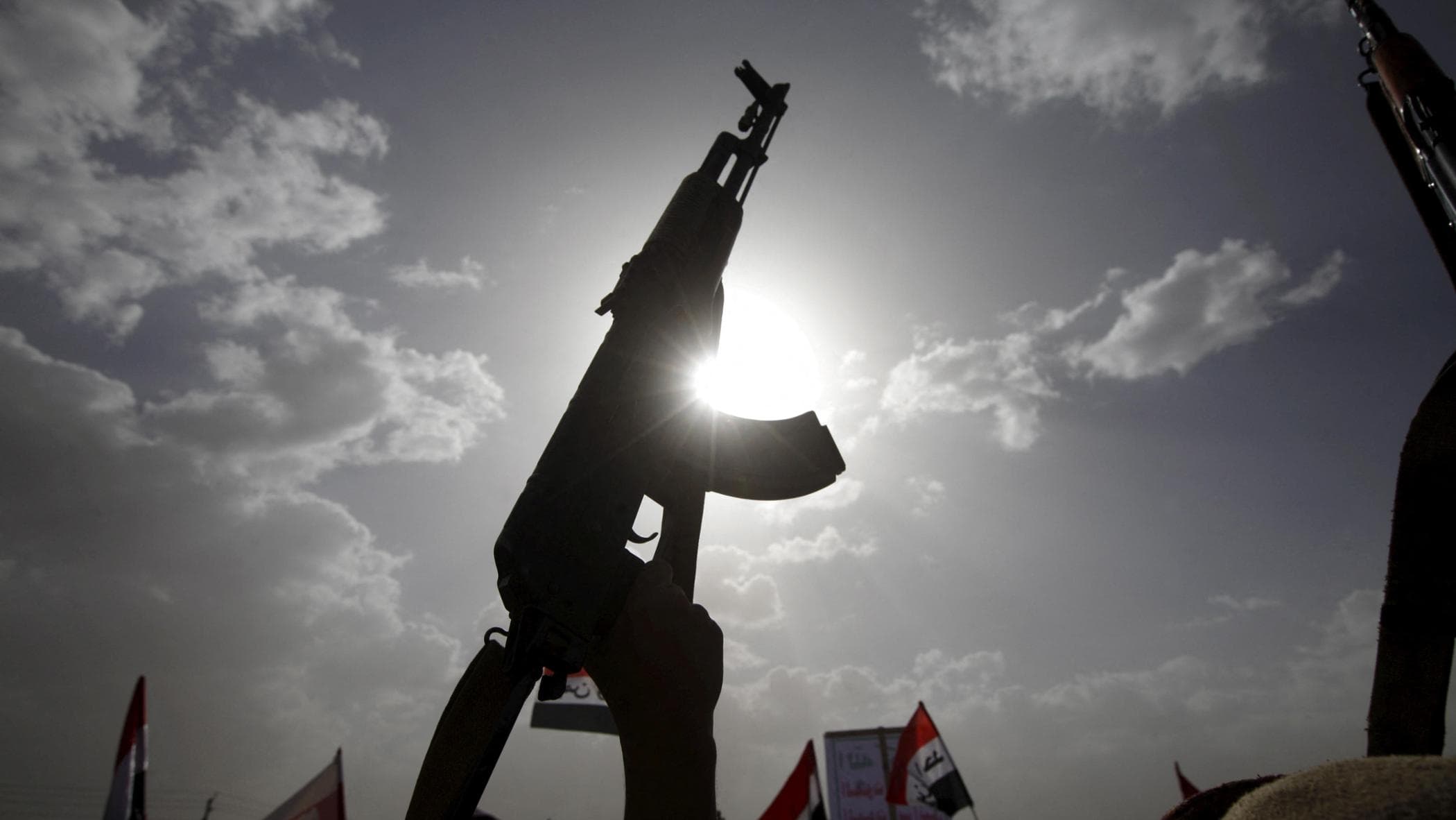
Tensions in the Middle East have escalated following an airstrike on a port in Jask, Iran, located near the Strait of Hormuz. The Houthi movement in Yemen has announced a "harsh response" to the attack, leading to an exchange of accusations. Meanwhile, in Iraq, explosions were reported near US bases in Erbil. The situation is further complicated by ongoing violence in the West Bank, where four Palestinians were killed. Amidst these developments, US President Donald Trump stated that discussions with Tehran are ongoing but expressed no urgency, although The Wall Street Journal reported he is in a "revenge mode." The escalating conflict and retaliatory threats underscore the volatile geopolitical landscape of the region.
The recent escalations in the Middle East, including the airstrike on Jask port, explosions near US bases in Iraq, and violence in the West Bank, highlight a complex web of interconnected conflicts and proxy dynamics. The Houthi declaration of a "harsh response" suggests a potential for further regional destabilization, drawing on existing grievances and alliances. The reported US presidential stance, juxtaposed with media characterizations, points to a strategic calculus that may involve deterrence, retaliation, and diplomatic maneuvering under pressure. Future developments will likely be shaped by the interplay of state-sponsored actions, non-state actor involvement, and the broader geopolitical competition for influence in the region, with significant implications for global energy markets and international security.
AI-generated to prompt reflection — not editorial opinion, not advice, not a statement of fact. How this works.