Middle East Tensions Rise, Yet Oil Prices Remain Stable
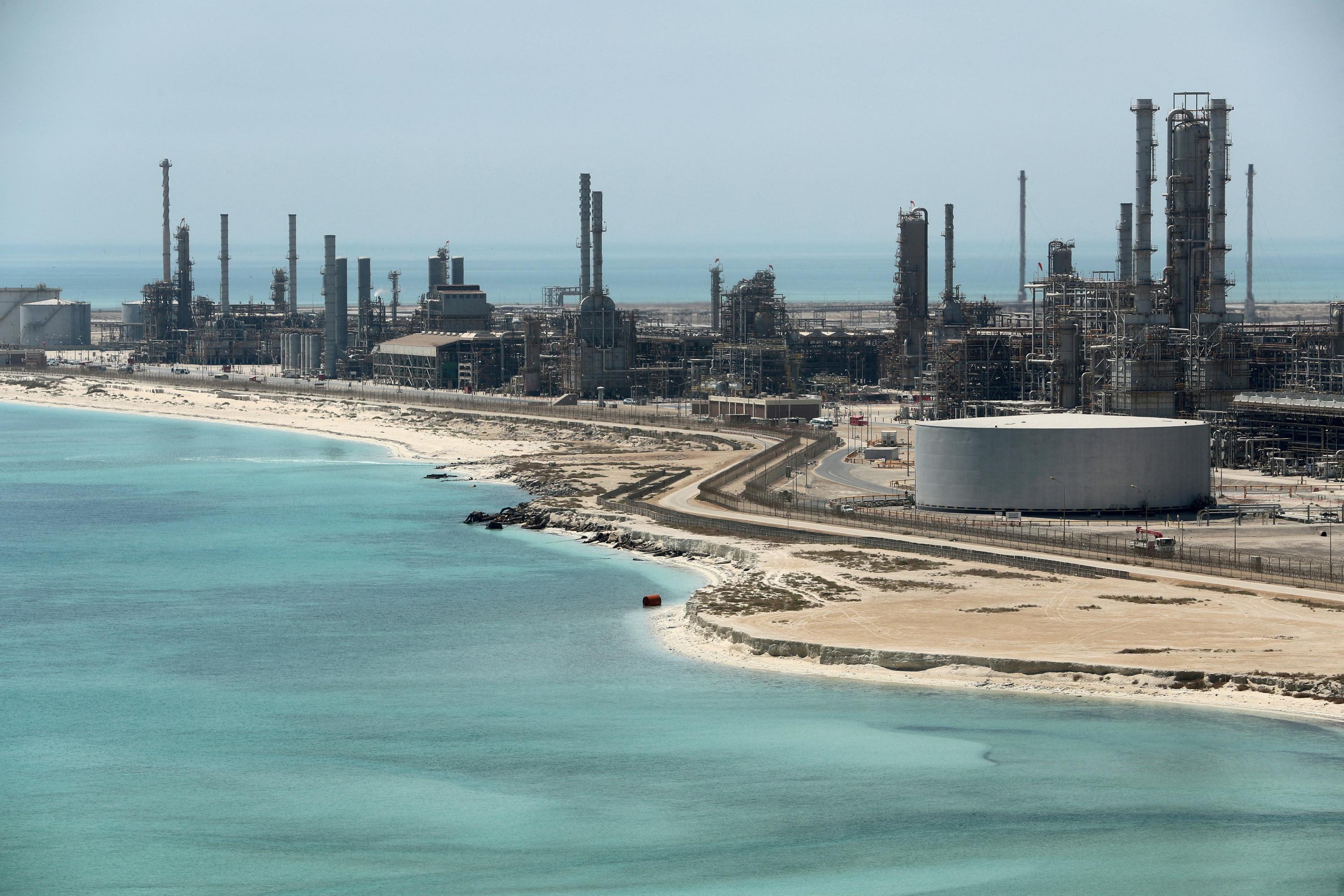
Despite a resurgence in hostilities between Iran and the United States, global oil prices have not surged, unlike at the conflict's initial outbreak. This stability is largely attributed to the projected abundance of oil supply in the coming years. Analysts suggest that the market is anticipating sufficient production capacity to meet demand, thereby mitigating the typical price shock associated with geopolitical instability in the region. The current market sentiment indicates a confidence in the overall supply chain's resilience, even amidst heightened regional tensions. This contrasts sharply with previous instances where similar escalations led to significant price volatility. The focus has shifted from immediate supply disruption fears to longer-term supply outlooks. This phenomenon highlights the evolving dynamics of the global energy market and its response to geopolitical events.
The current stability in oil prices, despite heightened geopolitical tensions between Iran and the United States, suggests a market that has matured in its response to such events. Factors such as strategic petroleum reserves, diversified energy sources, and robust production capacity from non-conflict nations may be buffering the impact of regional instability. The market's forward-looking assessment of supply availability, rather than reacting solely to immediate threats, indicates a greater emphasis on long-term supply-demand fundamentals and the resilience of global energy infrastructure. This dynamic may signal a shift where geopolitical risk premiums are increasingly discounted if underlying supply conditions remain favorable, prompting a re-evaluation of how such events influence energy markets in the medium to long term.
AI-generated to prompt reflection — not editorial opinion, not advice, not a statement of fact. How this works.