Middle East Tensions Send Oil Prices Soaring, Impacting Global Markets
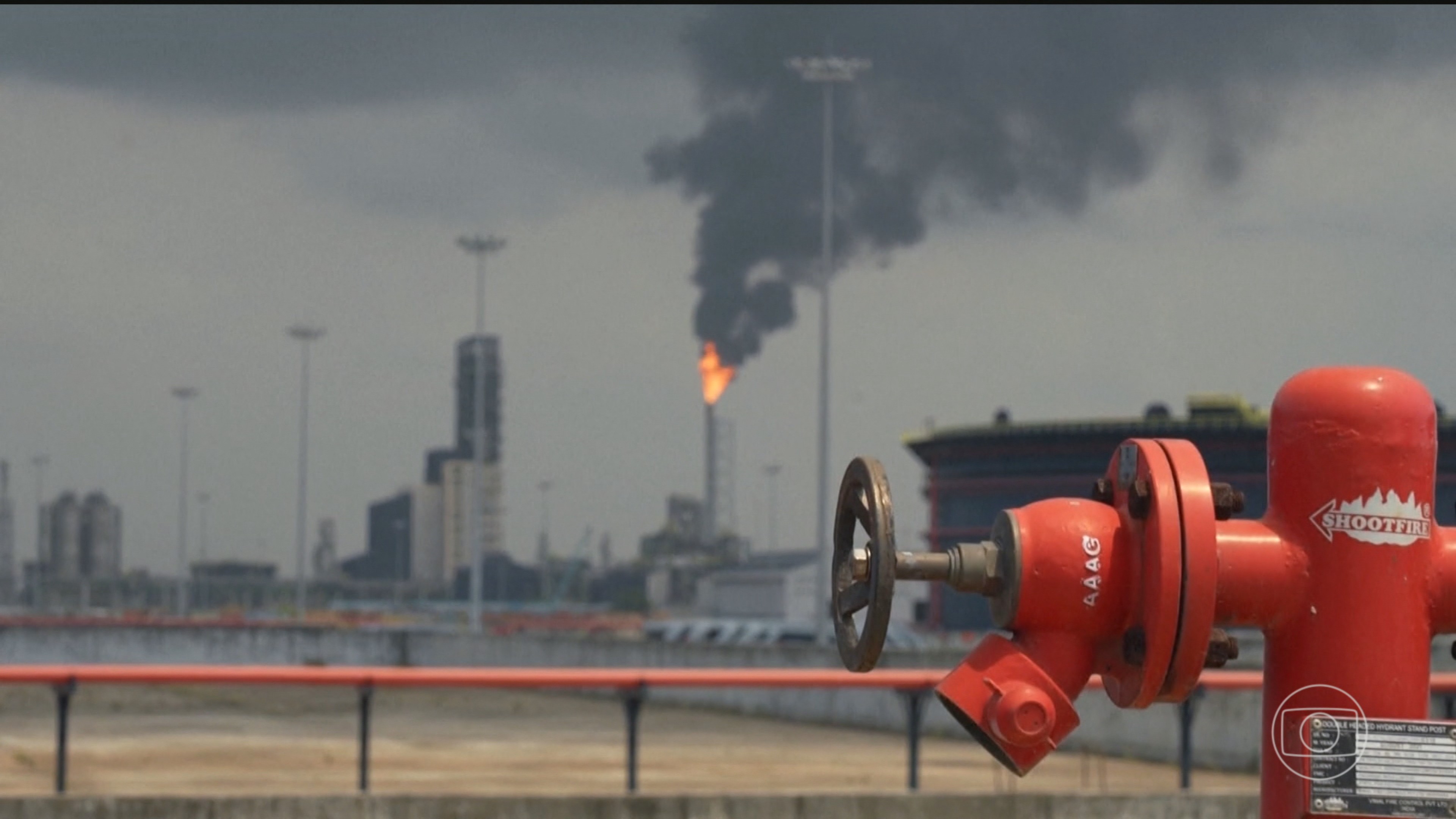
Global oil prices surged by nearly 10% on Monday, with Brent crude reaching $83 per barrel, driven by escalating tensions between Iran and the United States in the Middle East. The conflict has refocused attention on the Strait of Hormuz, a critical chokepoint for oil transport, raising concerns about global economic stability. Economists highlight that the current situation is particularly precarious due to already low global oil inventories in the US, Europe, and China. Any disruption to supply through the Strait of Hormuz, therefore, exerts significant additional pressure on prices. This price increase fuels inflation projections and economic uncertainty worldwide. In Brazil, Petrobras shares saw a 2.5% rise, reflecting the typical market reaction to higher oil prices. However, the broader negative sentiment in the global economy led the Ibovespa stock index to close down 1.20%, near its daily low. The Brazilian Real also weakened, with the dollar closing at R$ 5.13. Analysts note that the geopolitical uncertainty surrounding the US response and the protracted nature of the conflict create volatility in currency and stock markets. These factors also pose long-term risks, potentially impacting corporate earnings and the overall economic performance of Brazil and the global economy.
Heightened geopolitical conflict in the Middle East, particularly involving the Strait of Hormuz, has predictably triggered a sharp rise in oil prices. This event underscores the persistent global economic vulnerability to energy supply disruptions and the strategic importance of key transit routes. The current market dynamic is exacerbated by pre-existing low inventory levels, amplifying the price impact of any perceived threat to supply. Investors' flight to safety, as evidenced by the dollar's rise and stock market declines, reflects a rational response to increased uncertainty. The situation highlights the intricate interplay between geopolitical events, commodity markets, inflation expectations, and broader economic sentiment, demonstrating how localized conflicts can have far-reaching global economic consequences. Future market stability will likely depend on de-escalation efforts and the strategic management of global energy reserves.
AI-generated to prompt reflection — not editorial opinion, not advice, not a statement of fact. How this works.