Middle East Truce Hopes Boost Stock Markets
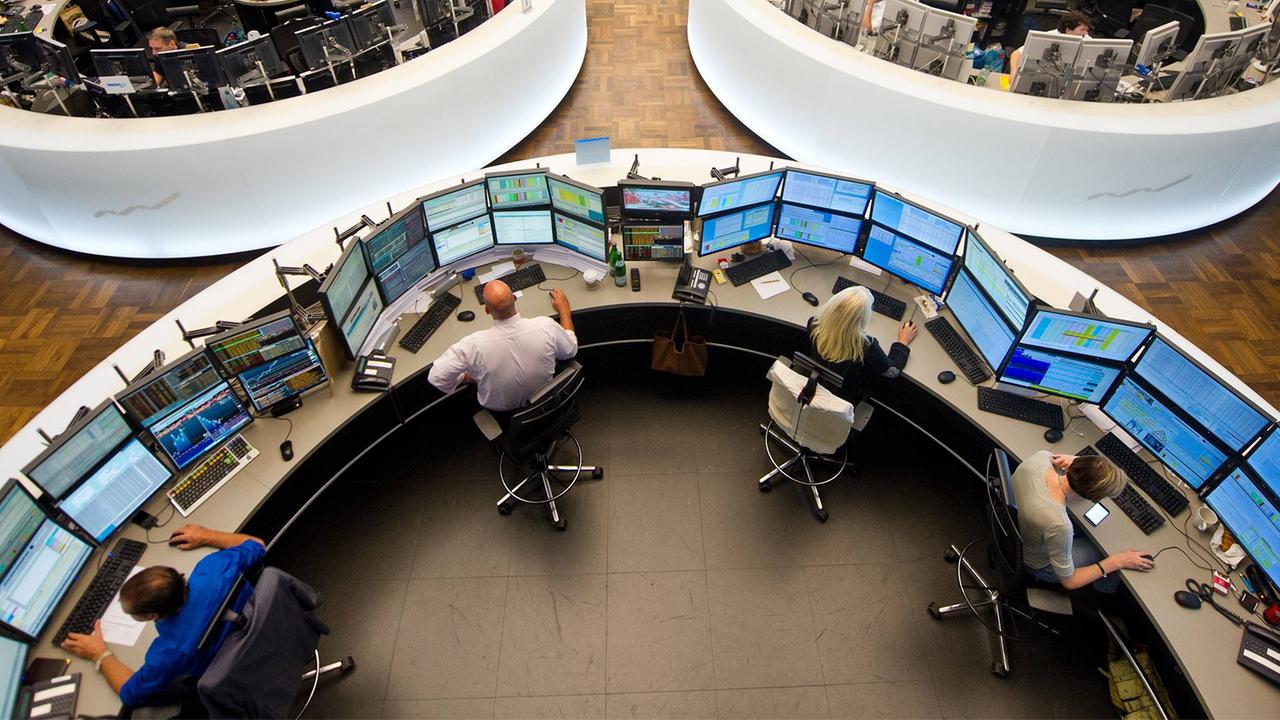
Stock markets are showing signs of optimism due to increasing hopes for a ceasefire in the Middle East. This positive sentiment follows reports that mediators have presented Iran with a proposal for a ten-day truce. The potential for de-escalation in the region has had a noticeable impact on commodity prices. Specifically, the price of oil has moved away from its recent peak, retreating from a one-month high. This suggests that geopolitical stability is a significant factor influencing global energy markets. Investors appear to be reacting favorably to the prospect of reduced conflict, anticipating a more stable environment for global trade and economic activity. The development indicates a sensitivity of financial markets to developments in the Middle East, particularly concerning energy supplies.
The potential for a ceasefire in the Middle East, driven by mediation efforts with Iran, presents a significant de-risking event for global markets. Reduced geopolitical tension typically lowers energy price volatility, which can curb inflation and support consumer spending. Market participants are likely weighing the economic benefits of a more stable energy supply against the inherent uncertainties of ongoing diplomatic processes. The next decade's trends, including the energy transition and increasing interconnectedness, mean that regional stability remains a critical, albeit complex, variable for sustained economic growth and investor confidence.
AI-generated to prompt reflection — not editorial opinion, not advice, not a statement of fact. How this works.