Middle powers can forge a distinct AI path amid US-China competition
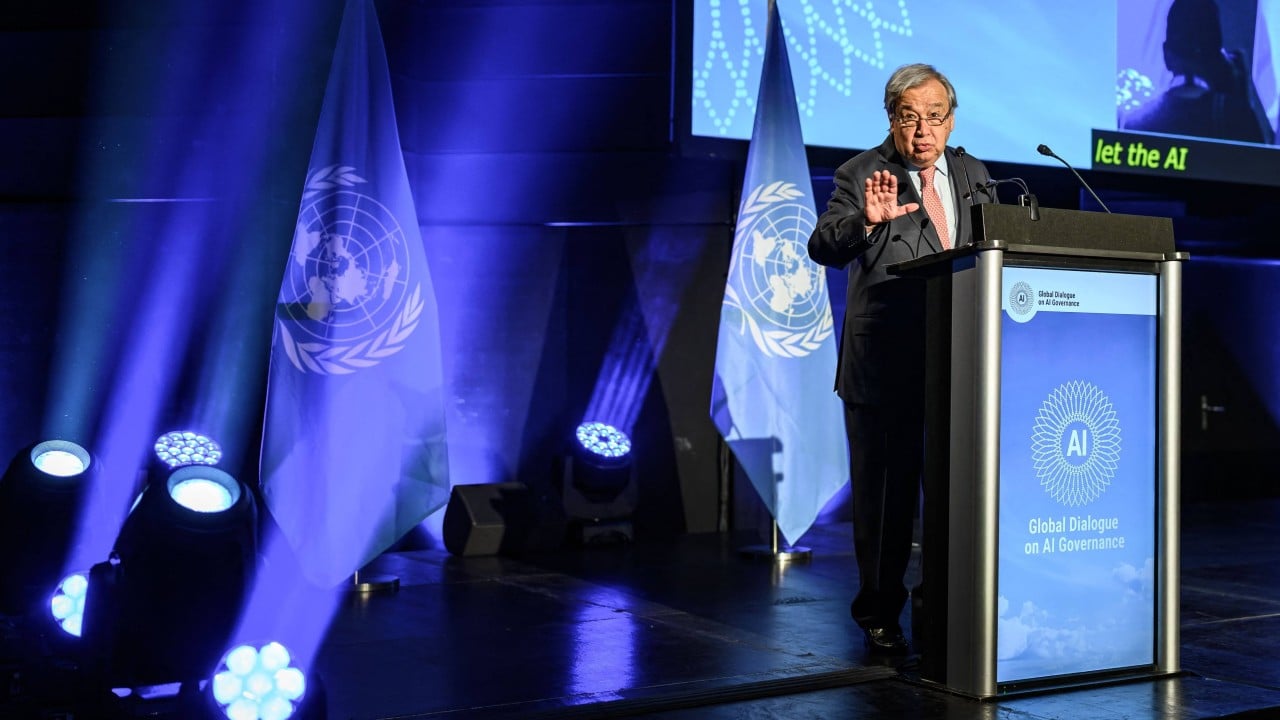
The global race for artificial intelligence dominance is increasingly shaping the international order. In June, the United States hosted the second summit of the 24-economy Pax Silica initiative, focusing on secure supply chains, AI infrastructure, and trusted technology partnerships. The following month, all 193 UN member states gathered in Geneva for the first Global Dialogue on AI Governance. Shortly thereafter, 29 nations signed an agreement in Shanghai to establish the World Artificial Intelligence Cooperation Organization (WAICO). These concurrent events highlight a growing global discussion and strategic maneuvering around AI development and governance.
AI governance is emerging as a critical geopolitical battleground, with the US and China leading distinct approaches. The Pax Silica initiative and the Global Dialogue on AI Governance represent efforts by major powers to set international norms and standards. The establishment of WAICO by 29 countries suggests a potential for middle powers to create alternative frameworks, seeking to balance the influence of the two superpowers. This dynamic could lead to a more fragmented global AI landscape, where different blocs pursue divergent technological and regulatory paths. Future developments will likely depend on the ability of these middle powers to coalesce and articulate a compelling third way that addresses shared concerns without aligning exclusively with either the US or China.
AI-generated to prompt reflection — not editorial opinion, not advice, not a statement of fact. How this works.
