Migraine: Beyond Headache, a Severe Neurological Storm
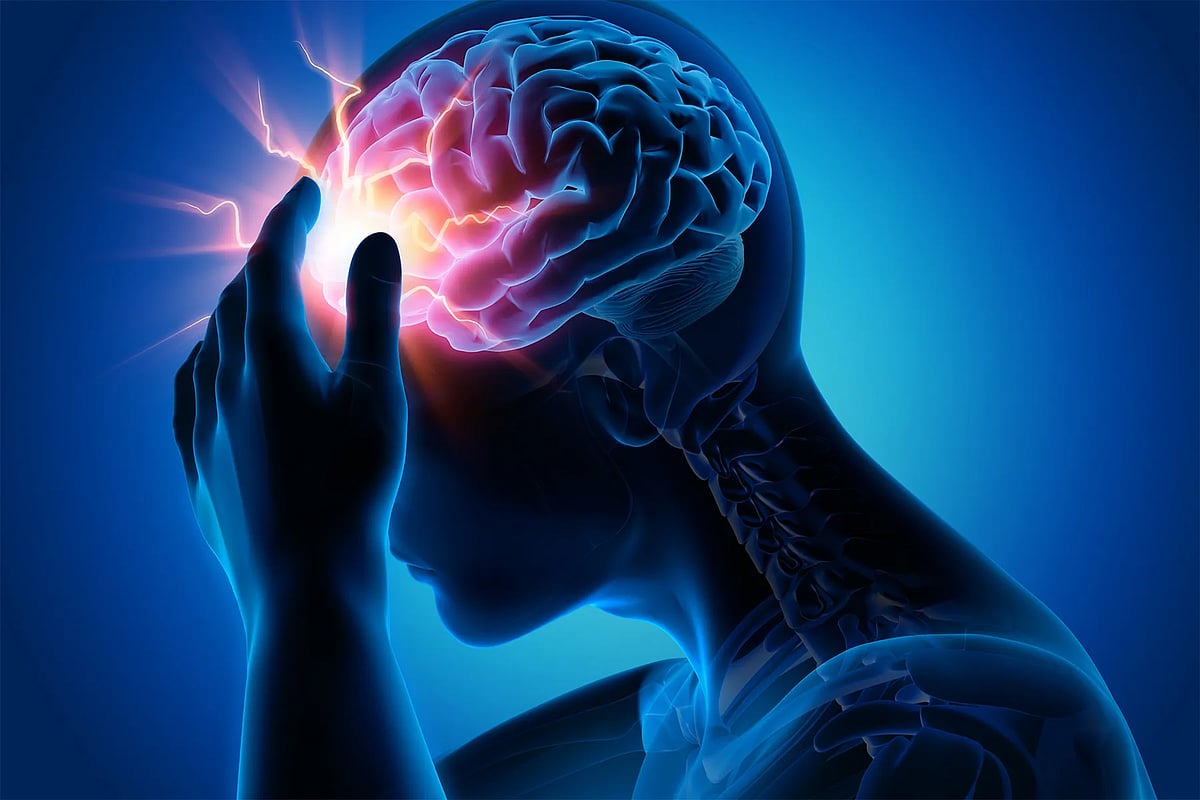
Migraine is a complex neurological disorder, distinct from common headaches, that significantly impacts daily life, work, relationships, and mental health. It is characterized by severe, multi-faceted neurological attacks lasting from hours to days, potentially incapacitating sufferers. The International Headache Society has established criteria for diagnosis, requiring at least five distinct headache attacks, each lasting 4-72 hours. These attacks must exhibit at least two specific features: unilateral pain, moderate to severe intensity, or aggravation with physical activity, alongside nausea/vomiting or extreme sensitivity to light and sound.
Globally, approximately 15% of the population experiences migraines, with women disproportionately affected (18-20%) compared to men (6-9%), largely attributed to hormonal fluctuations, particularly estrogen. Genetic predisposition plays a significant role, with 80% of patients having a family history of migraines. Migraines manifest in various forms, including migraine with aura (a warning phase), migraine without aura, abdominal migraines in children, chronic migraines, hemiplegic migraines, silent migraines, retinal migraines affecting vision, and status migrainosus, characterized by prolonged severe attacks.
While the precise cause remains unknown, it is believed to stem from inflammation and chemical releases in the brain's nerves and blood vessels, indicating heightened brain sensitivity. Triggers are diverse and can include stress, hormonal changes, sleep deprivation, weather shifts, exertion, caffeine, tobacco, skipped meals, bright lights, loud noises, strong odors, and certain food components like aged cheese, alcohol, chocolate, nitrates, MSG, processed meats, and fermented foods. Diagnosis typically involves physical and neurological exams, medical history, and sometimes imaging like CT or MRI scans to rule out other serious conditions. Though often a lifelong condition, migraine severity and frequency can be managed with proper treatment and lifestyle adjustments.
Migraine, classified as a neurological disorder, presents a significant public health challenge affecting millions globally, particularly women. The condition's complexity, involving genetic predispositions and diverse triggers ranging from environmental factors to dietary components, underscores the need for personalized management strategies. Understanding the interplay between biological vulnerabilities, such as hormonal fluctuations, and external stimuli is crucial for developing more effective preventative and therapeutic interventions. Future research may focus on precision medicine approaches, leveraging genetic and physiological data to tailor treatments, and exploring the long-term societal and economic impacts of chronic neurological conditions in an aging global population.
AI-generated to prompt reflection — not editorial opinion, not advice, not a statement of fact. How this works.