Migrant Crisis: Hundreds of Youths Sleep on Ceuta Streets Amidst Irregular Arrivals
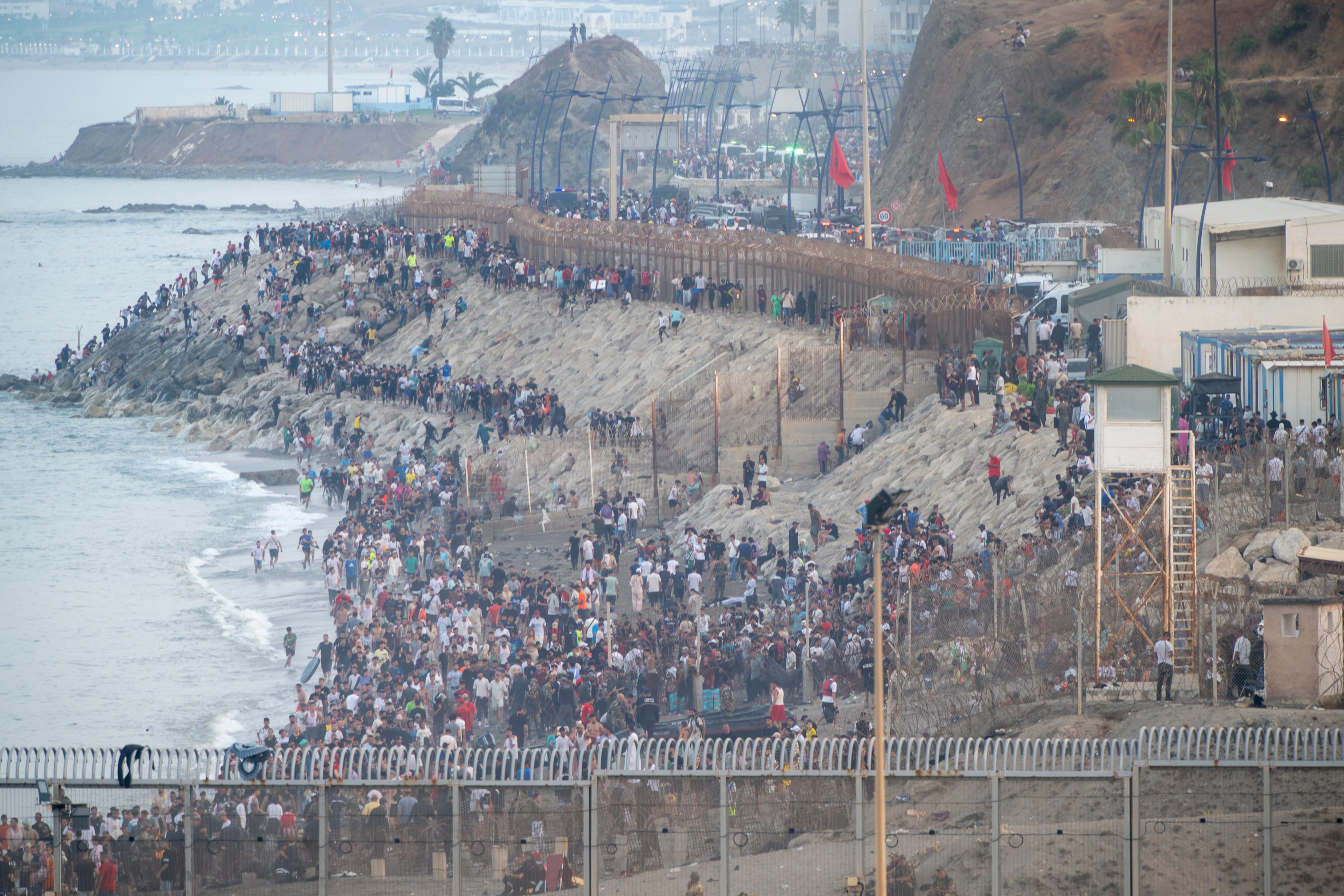
The Spanish autonomous city of Ceuta is facing a significant migrant crisis, with hundreds of young migrants found sleeping on its streets. This situation has arisen as irregular arrivals from Morocco continue to enter the city. The images depict a stark reality of the ongoing humanitarian challenge at the border. Authorities are grappling with the influx of individuals seeking entry into European territory. The scale of the arrivals has overwhelmed local resources, highlighting the urgent need for coordinated responses. The situation underscores the complex geopolitical dynamics at play between Spain and Morocco concerning migration control. Many of these young migrants are believed to be from sub-Saharan African countries, undertaking perilous journeys to reach Europe. The ongoing arrivals suggest that push factors in their home countries and pull factors in Europe remain potent drivers of irregular migration. The humanitarian conditions on the ground in Ceuta are a growing concern for aid organizations and local officials.
The ongoing irregular migration into Ceuta highlights persistent systemic pressures, including economic disparities and conflict in origin countries, coupled with the strong draw of European opportunities. This event underscores the complex governance challenges faced by border cities like Ceuta, which often bear the immediate brunt of international migration flows. Future policy responses will likely need to balance humanitarian concerns with border security, potentially requiring enhanced international cooperation and addressing root causes of migration more effectively. The situation also presents a case study in the strain placed on local infrastructure and social services by sudden, large-scale population movements.
AI-generated to prompt reflection — not editorial opinion, not advice, not a statement of fact. How this works.