Migrant Deaths in Ceuta Reach 72 as Spain Deploys Maritime Barrier
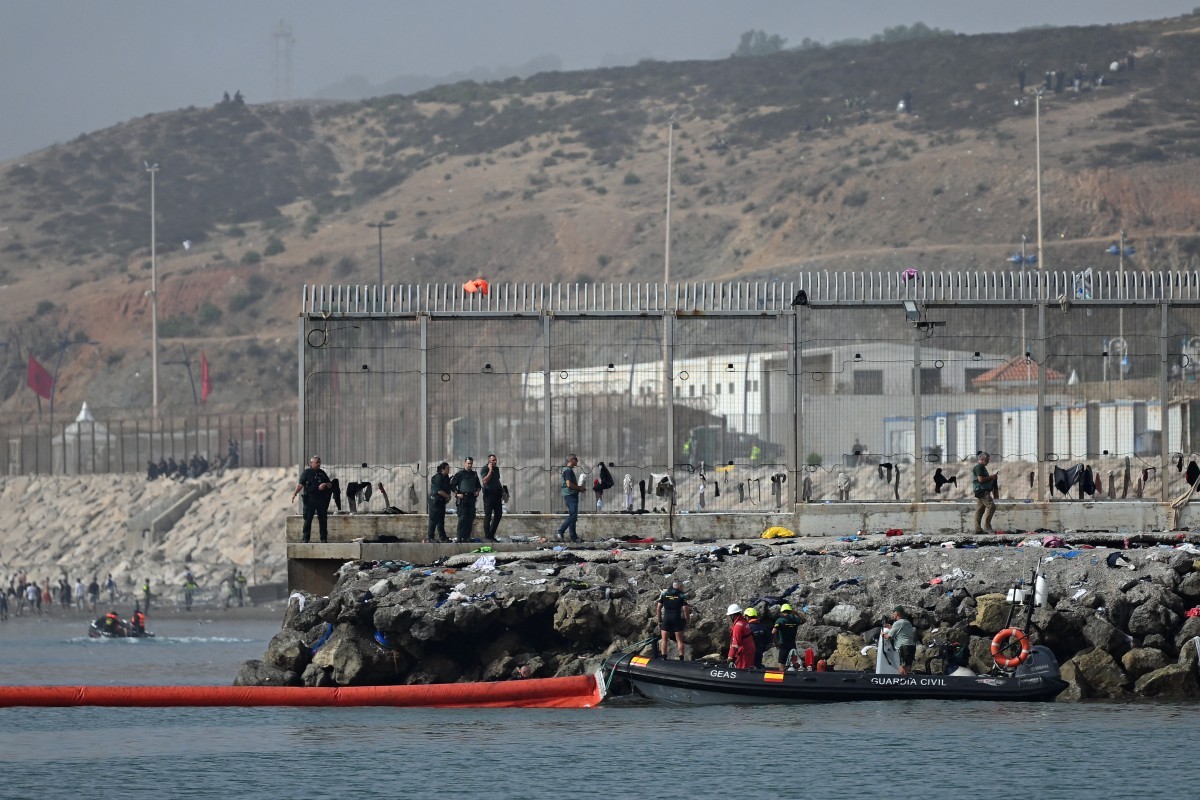
The death toll of migrants attempting to swim to the Spanish enclave of Ceuta from Morocco has risen to 72, local authorities confirmed on Sunday, August 2nd. This figure represents an increase from the previous count of 67 fatalities. The deaths occurred during a mass attempt to enter Ceuta on Thursday, July 30th, when approximately 60,000 Africans swam towards the territory. This unprecedented event has triggered a new migration crisis in North Africa and a political crisis within the European Union. Spanish search teams have been working to recover bodies from the sea, while Spanish police and troops patrolled Ceuta to restore order. Many migrants who had entered the enclave have since voluntarily returned to Morocco. The Spanish government attributes the crisis to criminal groups who spread rumors about a Supreme Court ruling on immigration. Some analysts suggest Morocco may have allowed the crossings to pressure Spain diplomatically, particularly following Spain's improved relations with Algeria, a rival of Morocco. The Moroccan government has not issued a statement on the crisis. In response to the influx, Spain has installed an inflatable maritime barrier and reinforced the existing border fence with a new 500-meter section featuring buoys. Pope Francis expressed concern over the situation, praying for peaceful and just solutions. The European Union has scheduled a videoconference to address the crisis, with 22 member states calling for a swift, coordinated response. Italy has suspended the Schengen agreement with Spain for one month, affecting free movement. Spanish Prime Minister Pedro Sánchez criticized the "selfish" reactions of some EU member states.
The events in Ceuta highlight the complex interplay of geopolitical pressures, humanitarian crises, and border security challenges in the Mediterranean region. The surge in migrant attempts, reportedly fueled by misinformation and potentially influenced by regional diplomatic rivalries, underscores the vulnerability of individuals seeking refuge and the strain on border management systems. The EU's response, including Italy's suspension of Schengen, reflects internal divisions regarding migration policy and burden-sharing. Looking ahead, the incident prompts consideration of more sustainable, long-term solutions that address root causes of migration, enhance regional cooperation, and ensure humane treatment of asylum seekers, while also managing state sovereignty and security concerns. The effectiveness of physical barriers versus diplomatic and developmental strategies remains a critical debate in navigating these persistent challenges.
AI-generated to prompt reflection — not editorial opinion, not advice, not a statement of fact. How this works.