Milei Embraces Nationalism Amidst Economic Crisis
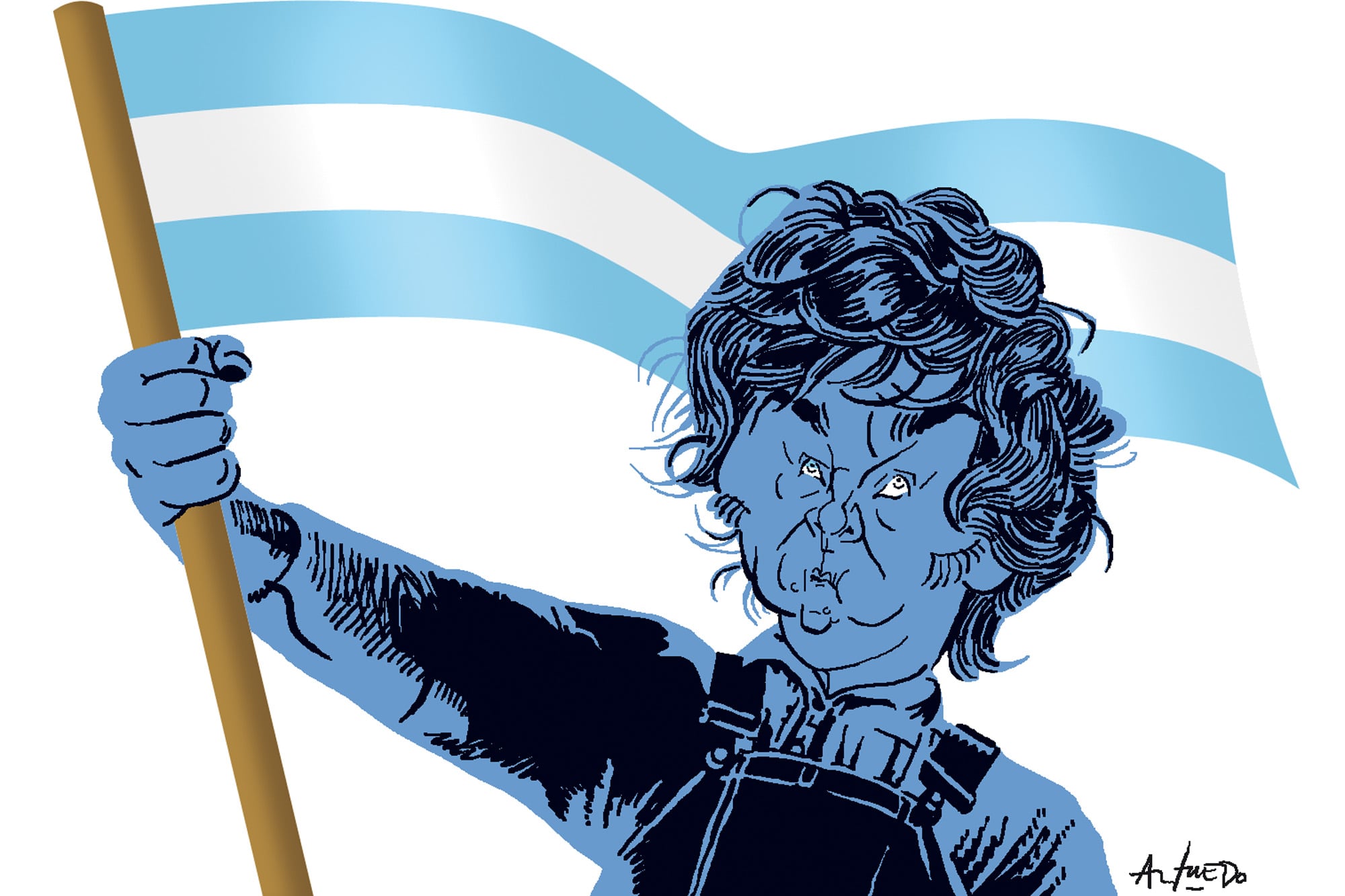
Argentine President Javier Milei has seemingly discovered nationalism as a political tool during a period of economic crisis. This approach, often employed by populist governments, involves identifying an external enemy and fostering nationalistic sentiment. Milei, who initially presented himself as an economic liberal, is now utilizing this strategy, which can be effective in rallying support during challenging times. The tactic of constructing an external adversary and promoting nationalism is a well-established method for gaining political traction, particularly when facing significant economic hardship. This shift in rhetoric suggests a pragmatic adaptation to the current political climate, leveraging a resource previously exploited by other populist leaders in Argentina and elsewhere.
The adoption of nationalistic rhetoric by President Milei, particularly during an economic crisis, highlights a common political strategy to consolidate support by focusing public attention on external factors. This approach can serve to unite a population against a perceived common threat, potentially diverting from domestic economic challenges. Such tactics often appeal to a sense of national identity and pride, which can be potent political capital. However, the long-term efficacy and potential consequences of relying on nationalism, especially for a leader who campaigned on a platform of economic liberalization, warrant careful consideration regarding Argentina's integration into the global economy and its international relations.
AI-generated to prompt reflection — not editorial opinion, not advice, not a statement of fact. How this works.